
Beautiful Plants For Your Interior
Beautiful Plants For Your Interior
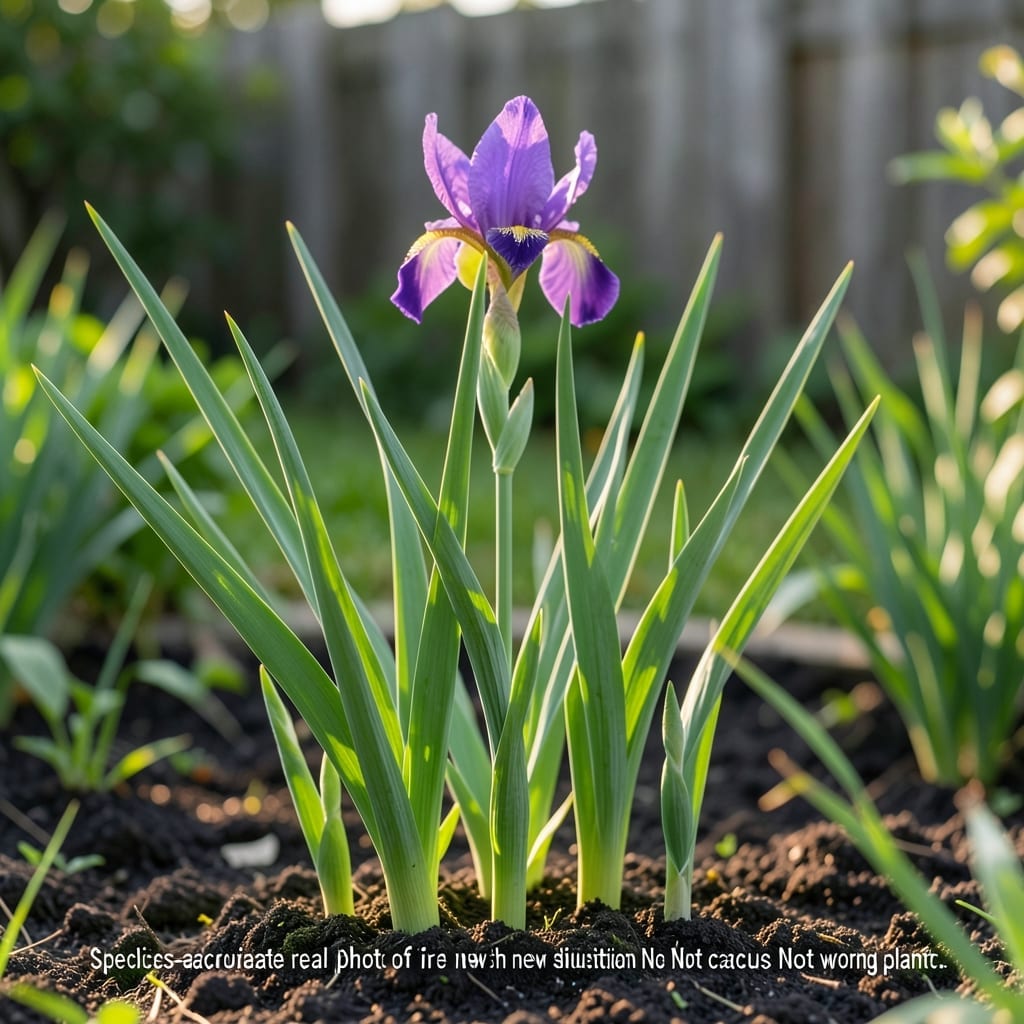
Iris plants can transform a garden with their vibrant blooms, but their spreading habits often spark questions. Do they take over like wildfire, or do they need a little encouragement to fill out your space?
As a gardener, I’ve seen 🌸 Iris behave in surprising ways—sometimes creeping slowly, other times expanding with enthusiasm. Understanding their natural growth patterns is the first step to mastering their presence in your landscape.
Whether you want to contain their spread or coax them into creating a lush display, knowing how they grow makes all the difference. The good news? You have more control than you might think.
Let me walk you through the most important factors that influence how irises spread, so you can decide whether to rein them in or let them shine.
If you’ve ever planted iris rhizomes and later found them popping up in unexpected spots, you’ve witnessed their natural spreading in action. I’ve seen this firsthand in my own garden, where a small cluster of bearded irises gradually expanded into a colorful patch over just a few seasons.
Irises primarily spread through rhizome growth, which are thick, horizontal underground stems that produce new shoots and roots. These rhizomes can extend several inches each year, creating dense clumps if left unchecked. Some varieties also spread via seed dispersal, though this is less common in cultivated gardens.
In my experience, bearded irises are the most aggressive spreaders, often doubling their footprint in just 2-3 years. The rhizomes grow just below the soil surface, making them easy to spot and divide when they get too crowded.
Siberian irises, on the other hand, spread more slowly and form tighter clumps. Their rhizomes are thinner and less visible, but they still benefit from occasional division every 3-4 years to maintain vigor and flowering.
Seed dispersal is less predictable. While it can lead to new iris plants popping up in unexpected locations, these seedlings often take 2-3 years to mature and bloom. This method is more common in wild or naturalized settings than in manicured gardens.
I’ve noticed that irises tend to spread more rapidly in rich, well-draining soil with plenty of sunlight. In poorer soil conditions, their growth is slower, which might be preferable if you want to control their expansion without frequent intervention.
The direction of spread can also be influenced by garden layout. Irises will naturally grow toward open spaces with good sunlight and away from competition with other plants. This is something to consider when planning your garden’s design.
One interesting observation I’ve made is that irises often spread more aggressively after a few years of establishment. The first year might show little growth, but by the third year, you could see significant expansion if conditions are ideal.
Understanding these natural spreading habits helps you decide whether to encourage or contain your irises. Some gardeners love the naturalized look of spreading irises, while others prefer to keep them in neat, defined beds. 🌸
As a gardener, I’ve learned that irises can spread aggressively if left unchecked. Their rhizome expansion and self-seeding habits often lead to overcrowded flower beds and unwanted garden takeover.
To manage this, I use physical barriers like buried edging or regular division every 3-5 years to keep them in check. This maintains their beauty without letting them dominate the space.
Effective Ways to Control Iris Spread
I’ve found that underground barriers work wonders. By burying metal or plastic edging around my iris beds, I create a root-proof border that halts horizontal spread while allowing vertical growth.
Dividing clumps is another essential practice. When my irises start looking crowded or blooms diminish, I dig up the rhizomes, separate the outer healthy sections, and replant them with space to grow.
For gardeners who prefer low-maintenance solutions, planting irises in large containers sunk into the ground can be effective. This containment method prevents rhizomes from spreading while still allowing the plants to thrive.
Lastly, I always remove seed pods after the blooming season. This simple step prevents self-seeding and reduces the number of new plants that can pop up unexpectedly in my garden beds. ✂️