
Beautiful Plants For Your Interior
Beautiful Plants For Your Interior
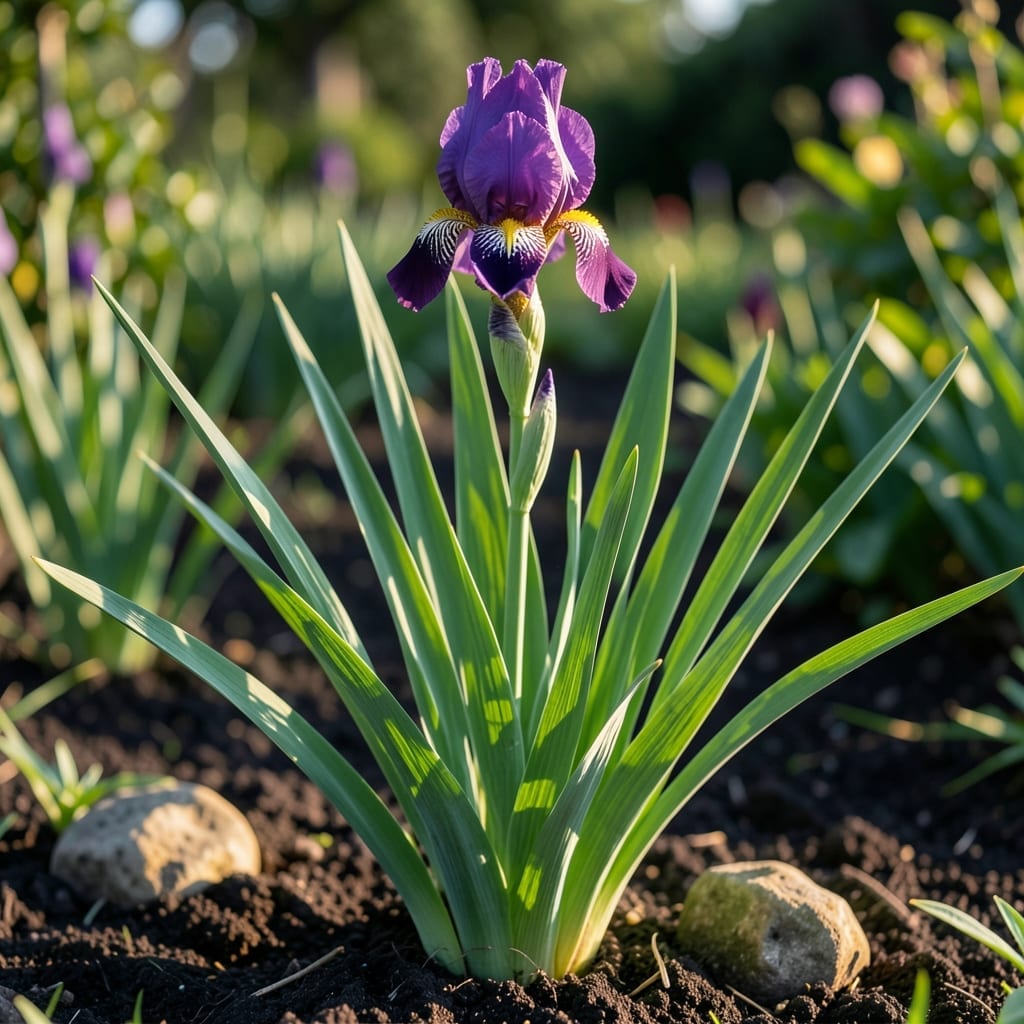
Iris flowers bring vibrant colors and elegant beauty to any garden, but their sun requirements often puzzle even experienced growers. The 🌸 Iris thrives best with 6+ hours of sunlight daily.
Understanding their ideal light conditions is the key to maximizing blooms and plant health. Whether you’re planting in full sun or partial shade, getting this right makes all the difference.
Let me walk you through exactly what works best for these stunning flowers. You’ll discover how to create the perfect environment for your Iris to flourish.

If you’ve ever wondered do iris need full sun, the answer is yes—but with some flexibility. Most bearded iris varieties thrive with 6+ hours of direct sunlight daily for the best blooms.
Siberian iris and Japanese iris can tolerate more shade, but they still need at least 4-6 hours of sunlight to produce their stunning flowers.
I’ve found that bearded iris in particular will reward you with more blooms and richer colors when given plenty of sunlight. In my garden, the ones in full sun always outperform those in shadier spots.
However, in extremely hot climates (USDA zones 8-9), even sun-loving iris can benefit from some afternoon shade to prevent scorching. This is especially true for dwarf varieties which are more sensitive.
If you’re planting in partial shade, choose a spot that gets morning sun. This is gentler and helps dry dew from the leaves, reducing the risk of fungal diseases.
Soil drainage becomes even more critical in shadier spots. I always amend the soil with compost and ensure good drainage to prevent root rot in less sunny areas.
For container-grown iris, aim for at least 6 hours of sun. Place pots where they’ll get eastern exposure or move them to follow the sun throughout the day.
Remember that light conditions change with the seasons. A spot that’s perfect in spring might get too much sun in summer. I recommend observing your garden’s light patterns before planting.
Finally, if your iris aren’t blooming well, light is often the culprit. Before adjusting water or fertilizer, check if they’re getting enough sun. A simple sunlight calculator app can help measure your garden’s exposure.
☀️Growing healthy iris in different light conditions is absolutely possible with the right approach. I’ve successfully cultivated iris in full sun, partial shade, and even low-light spots with some adjustments.
For full sun locations, focus on soil preparation. I always work in plenty of organic matter to help retain moisture while ensuring good drainage. This prevents the rhizomes from drying out or rotting.
In partial shade areas, I compensate by improving the soil even more. Adding compost and ensuring the area gets at least 4-6 hours of sunlight helps maintain vigorous growth and good blooming.
For container planting, I use large pots with drainage holes and place them where they’ll get morning sun. This works well for Japanese iris which prefer gentler light conditions.
I’ve noticed that iris in shadier spots benefit from companion planting with low-growing plants that don’t compete for light. This creates a microclimate that helps the iris thrive.
☀️