
Beautiful Plants For Your Interior
Beautiful Plants For Your Interior
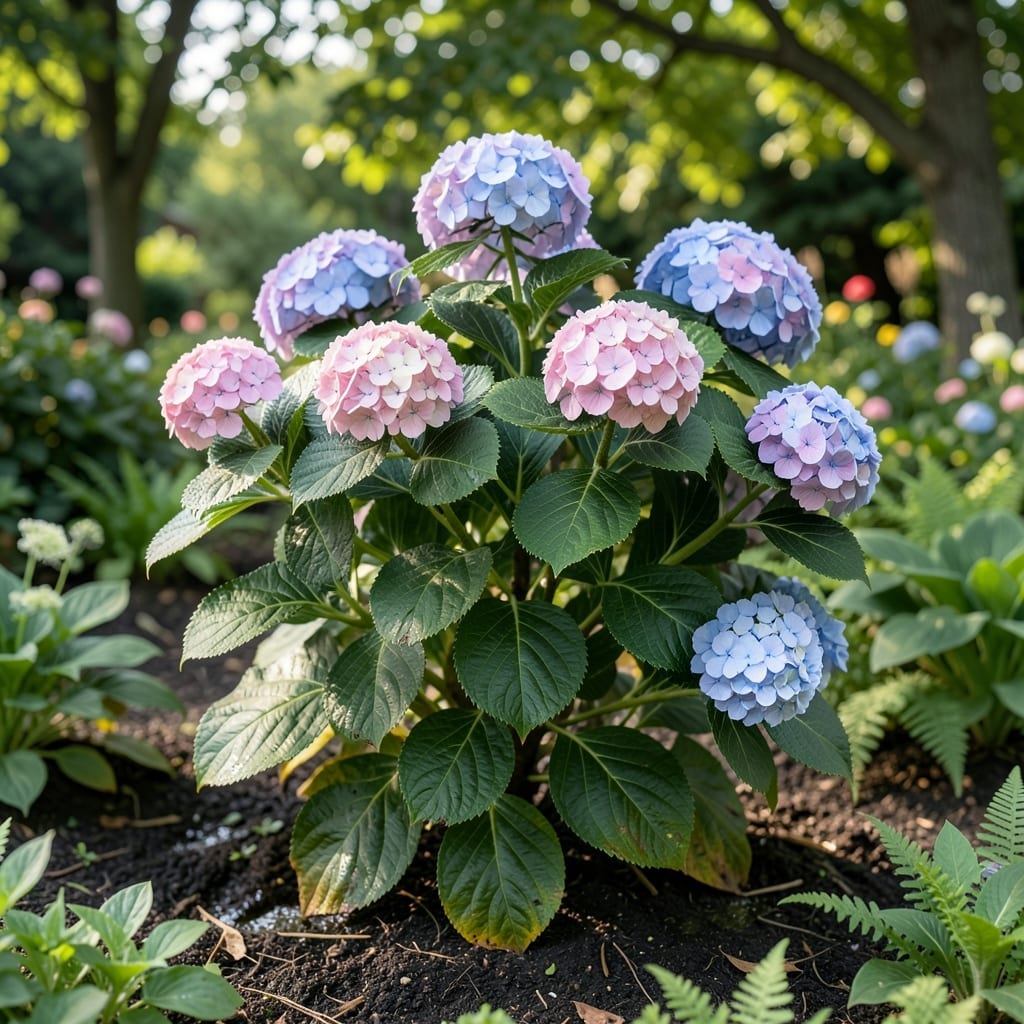
I’ve seen too many gardeners struggle with their 🌸 Hydrangea blooms, only to realize their light conditions were all wrong. These stunning shrubs need a delicate balance to thrive.
Getting the sunlight just right can mean the difference between a lackluster plant and one bursting with color. The good news? It’s easier than you think to create the perfect environment.
Discover how to give your Hydrangea the ideal exposure for vibrant, healthy growth without the guesswork.

I’ve learned that not all hydrangeas have the same sunlight needs. The bigleaf hydrangea, for example, thrives in partial shade, while panicle hydrangeas can handle more sun.
Each variety has its own ideal light conditions, and getting it right ensures vibrant blooms and healthy growth. Let’s break it down by type.
| Variety | Ideal Sunlight | Notes |
|---|---|---|
| Bigleaf | 4-6 hours of morning sun | Afternoon shade prevents leaf scorch |
| Panicle | 6+ hours of direct sun | Most sun-tolerant variety |
| Oakleaf | Partial shade to full sun | Drought-tolerant once established |
| Smooth | 4-6 hours of sun | Prefers consistent moisture |
In my experience, bigleaf hydrangeas are the most light-sensitive. They flourish with morning sun but wilt under harsh afternoon rays. I always plant them where they get dappled shade in the heat of the day.
Panicle hydrangeas, on the other hand, are the sun champions. I’ve seen them thrive in full sun, especially in cooler climates. Their cone-shaped blooms seem to love soaking up the light.
For oakleaf hydrangeas, I recommend a balance. They can handle full sun in northern regions but appreciate partial shade in hotter areas. Their unique foliage adds texture to any garden.
Smooth hydrangeas are more adaptable. They do well with 4-6 hours of sun, but I’ve found they bloom best with a bit of afternoon shade in the South. Their large white flowers are stunning in any setting.
Remember, soil moisture plays a role too. Hydrangeas in full sun need more frequent watering to prevent drought stress. I always mulch around the base to retain moisture.
If you’re unsure, start with partial shade and adjust. Most hydrangeas will tell you what they need—yellowing leaves often mean too much sun, while fewer blooms can signal not enough.
In my garden, I’ve had the best luck with east-facing beds for most hydrangeas. The gentle morning light gives them a strong start without the harsh afternoon glare.
I’ve seen firsthand how wrong light conditions can stress hydrangeas. Brown crispy edges on leaves often signal sunburn from too much direct light.
On the flip side, weak stems and sparse blooms usually mean your plant isn’t getting enough sunlight to thrive.
⚠️ Warning: Yellow leaves with green veins often indicate too much sun, while pale green foliage suggests insufficient light. Adjust placement gradually to avoid shocking the plant.
In my garden, I once had a bigleaf hydrangea with scorched leaves because it was in full afternoon sun. Moving it to morning light solved the issue quickly.
If your hydrangea has fewer blooms than usual, check its daily light exposure. Most need 4-6 hours of sun to flower well. I track sunlight patterns for a week to make adjustments.
Wilting in heat is another red flag. Even drought-tolerant varieties like oakleaf need protection from intense midday rays in hot climates.
For container-grown hydrangeas, I rotate pots quarter-turn daily for even light distribution. This prevents lopsided growth and ensures all sides get exposure.
Remember, seasonal changes affect light too. A spot with perfect spring sun might need summer shade cloth as the sun’s angle shifts.
I always recommend observing your plant for a few weeks before making changes. Hydrangeas are resilient and often bounce back once conditions improve.