
Beautiful Plants For Your Interior
Beautiful Plants For Your Interior
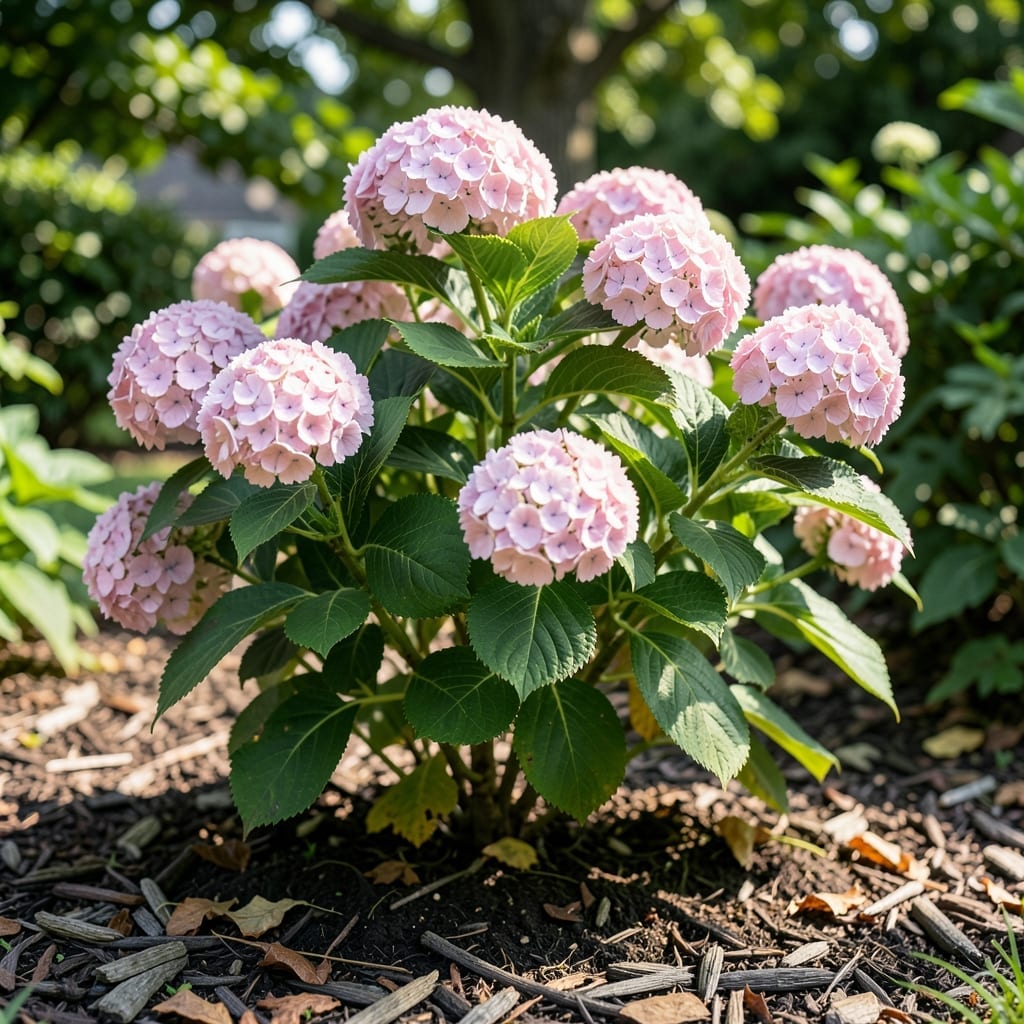
Hydrangeas are beloved for their lush, vibrant blooms, but their sunlight needs often puzzle gardeners. Whether you’re planting in a shaded yard or a sun-drenched garden, understanding their light preferences is key to thriving shrubs.
I’ve seen too many 🌸 Hydrangea plants struggle in the wrong conditions. The good news? With the right balance, you can enjoy healthy growth and stunning flowers.
Discover how to provide the ideal light for your Hydrangea, whether it’s partial shade or dappled sunlight, and watch your garden flourish.
 Best Window Placement
If you’re wondering do hydrangeas like shade, the answer depends on the variety. Most hydrangeas thrive with partial shade, especially in hot climates where afternoon sun can scorch their leaves.
I’ve found that bigleaf hydrangeas (Hydrangea macrophylla) prefer morning sun and afternoon shade, while panicle hydrangeas (Hydrangea paniculata) tolerate more sun. Each type has unique needs for optimal blooms.
| Variety | Sunlight Needs | Bloom Impact |
|---|---|---|
| Bigleaf | Partial shade (4-6 hours) | Larger blooms in shade |
| Panicle | Full sun to partial shade | More sun = more blooms |
| Oakleaf | Partial to full shade | White blooms, shade-tolerant |
| Smooth | Partial shade (3-5 hours) | Thrives in dappled light |
Bigleaf hydrangeas are the classic shade-lovers, producing their famous blue or pink blooms best with protection from harsh afternoon rays. I always recommend east-facing locations for these beauties.
Panicle hydrangeas, like the popular ‘Limelight’ variety, can handle full sun in cooler climates but appreciate some shade in hotter zones. Their cone-shaped flowers are remarkably adaptable to different light conditions.
Oakleaf hydrangeas are the most shade-tolerant of all. With their distinctive lobed leaves and white flowers, they’re perfect for woodland gardens or north-facing borders where sunlight is limited.
Smooth hydrangeas (Hydrangea arborescens), including the ‘Annabelle’ variety, prefer partial shade but can tolerate more sun than bigleaf types. Their large white flower heads are stunning in dappled light.
For all varieties, remember that morning sun is gentler and more beneficial than harsh afternoon sun. In my experience, 4-6 hours of sunlight is the sweet spot for most hydrangeas, with shade during the hottest part of the day.
If you’re in a hot climate, consider providing afternoon shade even for sun-tolerant varieties. This prevents leaf scorch and helps maintain vibrant blooms throughout the growing season.
So, do hydrangeas like shade? Absolutely—just make sure it’s the right type of shade for your specific variety. With proper placement, you’ll be rewarded with lush foliage and abundant flowers all season long. 🌸
Growing hydrangeas in partial shade requires some strategy, but it’s absolutely doable. I’ve had great success with this approach in my own garden, and you can too with the right techniques.
Start by choosing a location with morning sun and afternoon shade. This combination provides the gentle light hydrangeas love while protecting them from harsh midday rays.
I always recommend compost-enriched soil for hydrangeas in partial shade. This helps retain moisture while providing essential nutrients for healthy growth and vibrant blooms.
Watering is crucial in partial shade. While these areas stay cooler, they can also dry out more slowly. I check soil moisture regularly and adjust my watering schedule accordingly.
Companion planting can enhance your hydrangea’s growth in partial shade. I love pairing mine with hostas and ferns, which thrive in similar conditions and create a lush, layered look.
Remember that partial shade doesn’t mean no sun. Your hydrangeas still need 4-6 hours of light daily for optimal blooming. If your space is too dark, consider oakleaf hydrangeas, which tolerate deeper shade.
With these tips, you’ll create the perfect environment for your hydrangeas to thrive in partial shade, producing abundant blooms that will be the envy of your neighborhood. 🌸