
Beautiful Plants For Your Interior
Beautiful Plants For Your Interior
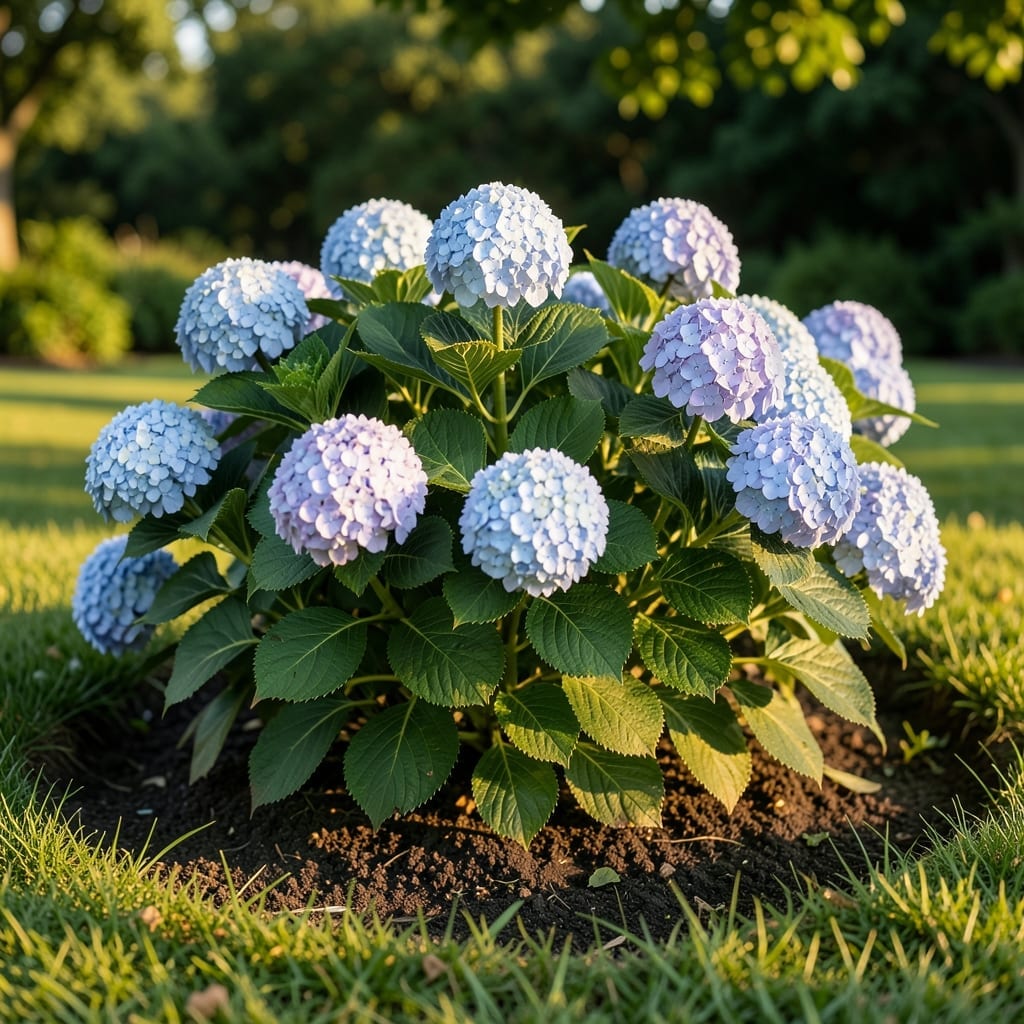
Hydrangeas can transform any garden with their lush blooms, but their sun tolerance often puzzles even experienced gardeners. The 🌸 Hydrangea thrives when you get the balance just right.
Too much direct sunlight can scorch those beautiful flowers, while too little leaves them weak and leggy. It’s all about finding that perfect middle ground for vibrant, healthy growth.
I’ve learned through trial and error that timing matters most. Morning light brings out the best in these shrubs, while harsh afternoon rays often do more harm than good.
Discover how to give your Hydrangeas the ideal light conditions they crave. Your garden will thank you with spectacular blooms all season long.

I’ve found that hydrangeas thrive best with balanced sunlight, but their needs vary by type. The most common mistake is assuming all hydrangeas prefer the same light conditions. In reality, some varieties can handle more sun than others.
For example, bigleaf hydrangeas prefer partial shade, especially in hotter climates, while panicle hydrangeas are more sun-tolerant and can flourish in full sun with adequate water. Knowing your variety is key to success.
| Variety | Sun Needs | Notes |
|---|---|---|
| Bigleaf | Partial shade | 4-6 hours morning sun, afternoon shade |
| Panicle | Full sun to partial shade | Tolerates more sun, needs consistent moisture |
| Oakleaf | Partial shade | Prefers dappled light, drought-tolerant once established |
| Smooth | Partial to full sun | Adaptable, thrives in sun with moist soil |
In my experience, bigleaf hydrangeas like Hydrangea macrophylla do best with morning sun and afternoon shade. This protects their delicate leaves from scorching in the heat of the day. I always recommend planting them on the east side of a structure.
On the other hand, panicle hydrangeas such as Hydrangea paniculata are the most sun-loving of the group. They can handle 6-8 hours of sun daily, provided the soil stays consistently moist. These are ideal for sunnier spots in your garden.
Oakleaf hydrangeas prefer a bit more shade, thriving under dappled sunlight like that found under tall trees. They’re also more drought-resistant once established, making them great for woodland gardens. I love their unique, oak-shaped leaves that turn brilliant shades of red and orange in fall.
Smooth hydrangeas, or Hydrangea arborescens, are quite adaptable. They can grow in partial to full sun, but like most hydrangeas, they perform best with moist, well-draining soil. Their large, round blooms are a showstopper in summer gardens.
For gardeners in hotter climates, I suggest providing extra shade during the peak afternoon hours, regardless of variety. This is especially true for bigleaf and oakleaf types, which can suffer from leaf scorch in intense heat.
If you’re unsure about your hydrangea’s variety, observe its performance. Wilting leaves or brown edges often indicate too much sun. Adjust its location or add shade cloth to protect it during the hottest part of the day.
Remember, even sun-loving hydrangeas benefit from a bit of shade in the fiercest summer heat. Mulching around the base helps retain soil moisture and keeps roots cool. I always use a 2-3 inch layer of organic mulch for best results.
By matching your hydrangea’s sun needs to its variety, you’ll be rewarded with lush foliage and abundant blooms all season long. 🌸
I’ve learned that hydrangeas thrive on morning sunlight but often struggle with harsh afternoon rays. The gentle warmth of early day light encourages strong growth and vibrant blooms without the risk of scorching.
In my garden, I position hydrangeas where they get 4-6 hours of morning sun followed by dappled afternoon shade. This balance prevents leaf burn while promoting healthy flowering.
For bigleaf hydrangeas, I always recommend east-facing locations where they get gentle morning light. This prevents the brown leaf edges that often appear with too much afternoon sun.
Panicle hydrangeas are more forgiving and can handle some afternoon sun, but I still provide shade during the hottest hours (12-4 PM) to maintain leaf health and bloom quality.
In hotter climates, I suggest using shade cloth or planting near taller structures that cast shadows during peak sun. This simple adjustment can make a huge difference in plant vitality.
Remember, even sun-tolerant varieties benefit from afternoon shade in extreme heat. I’ve seen dramatic improvements in bloom size and color when I adjusted light exposure properly.
By prioritizing morning light and protecting from afternoon intensity, you’ll create the perfect conditions for stunning hydrangea displays. 🌿