
Beautiful Plants For Your Interior
Beautiful Plants For Your Interior
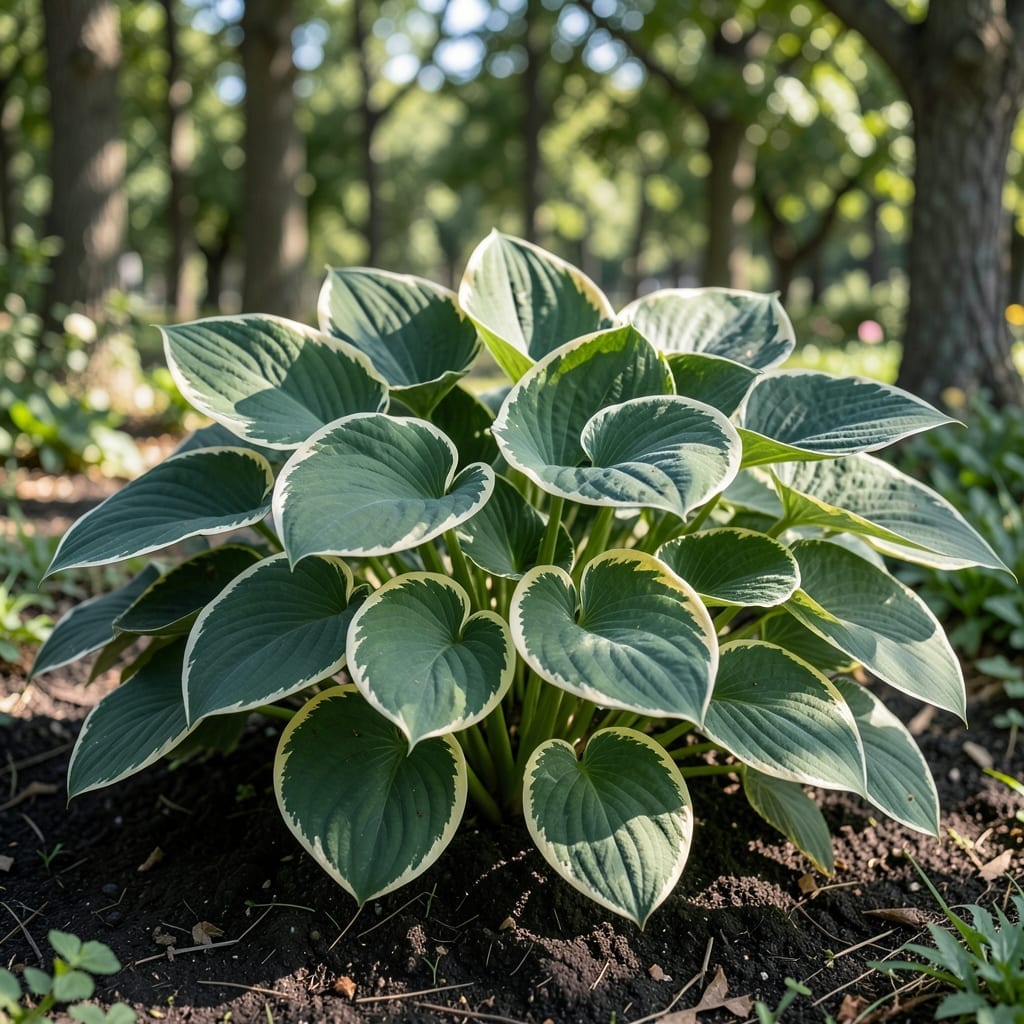
If you’ve ever struggled to keep your 🌿 Hostas looking their best, sunlight might be the culprit. These leafy favorites are famous for their shade-loving nature, but not all varieties react the same way to sun exposure.
What works for one type could spell disaster for another. The difference between thriving plants and crispy leaves often comes down to just 3-6 hours of the right kind of light.
Discover how to match your Hostas with their ideal light conditions and watch them transform from surviving to flourishing in your garden.

I often get asked if hostas like sun, and the answer isn’t black and white. While most varieties thrive in partial shade, some can handle more sunlight than you might expect. The key is knowing which types can tolerate sun and for how long.
In my experience, blue hostas need the most shade, while green varieties can often handle a bit more light. But even sun-tolerant hostas have their limits—too much direct sunlight can scorch their leaves.
| Hosta Variety | Sun Tolerance | Ideal Light Conditions |
| Blue Hostas | Low (1-2 hours) | Full to partial shade |
| Green Hostas | Moderate (3-4 hours) | Morning sun, afternoon shade |
| Variegated Hostas | Moderate (3-4 hours) | Dappled sunlight |
| Gold/Yellow Hostas | High (4-6 hours) | Morning to early afternoon sun |
I’ve found that gold or yellow hostas are the most sun-tolerant, often thriving with 4-6 hours of sunlight. These varieties actually develop their best color in brighter conditions, but they still need protection from harsh afternoon rays.
Variegated hostas with white or cream edges can handle 3-4 hours of sun, but too much light can fade their striking patterns. I always recommend dappled sunlight for these types to maintain their vibrant appearance.
For green hostas, morning sun is ideal. This gentle light helps them photosynthesize without the risk of leaf scorch. I’ve seen these varieties struggle when exposed to intense afternoon sun, especially in hotter climates.
Blue hostas are the most shade-dependent. Their powdery blue coating is actually a protective layer that can break down in too much sun. I limit these to 1-2 hours of sun at most, usually in the early morning.
If you’re unsure about your hosta’s variety, watch how it responds to light. Healthy hostas in the right conditions will have vibrant colors and firm leaves. If the leaves start to look washed out or crispy, it’s time to move them to a shadier spot.
Remember, even sun-tolerant hostas benefit from consistent moisture. I always pair my sun-exposed hostas with a thick layer of mulch to retain soil moisture and protect their roots from heat stress.
As a general rule, the darker the hosta’s foliage, the less sun it typically needs. This has helped me countless times when I’m trying to identify an unknown hosta in my garden or at a nursery
Even with the right variety, hostas can suffer if they receive too much sunlight. I’ve learned to watch for telltale signs that my plants are getting more light than they can handle, especially during the hottest part of the day.
One of the first red flags I notice is leaf scorch, where the edges of the leaves turn brown and crispy. This usually happens when hostas are exposed to direct afternoon sun without enough moisture to compensate.
Another common issue is color fading. I’ve seen my variegated hostas lose their striking white or cream patterns when exposed to too much sun. The once-vibrant leaves become dull and washed out, which is a clear sign to move them to a shadier spot.
If your hostas are wilting during the day but perk up at night, they might be getting too much sun. I always check the soil moisture in these cases—dry soil combined with wilting is a sure sign of heat stress and insufficient water.
Yellowing leaves can also indicate sun damage, especially if it occurs between the veins. This is different from natural yellowing that happens as leaves age. I’ve found that moving affected plants to partial shade often reverses this issue.
To fix sun damage, I gradually introduce hostas to brighter conditions rather than moving them suddenly. I also