
Beautiful Plants For Your Interior
Beautiful Plants For Your Interior
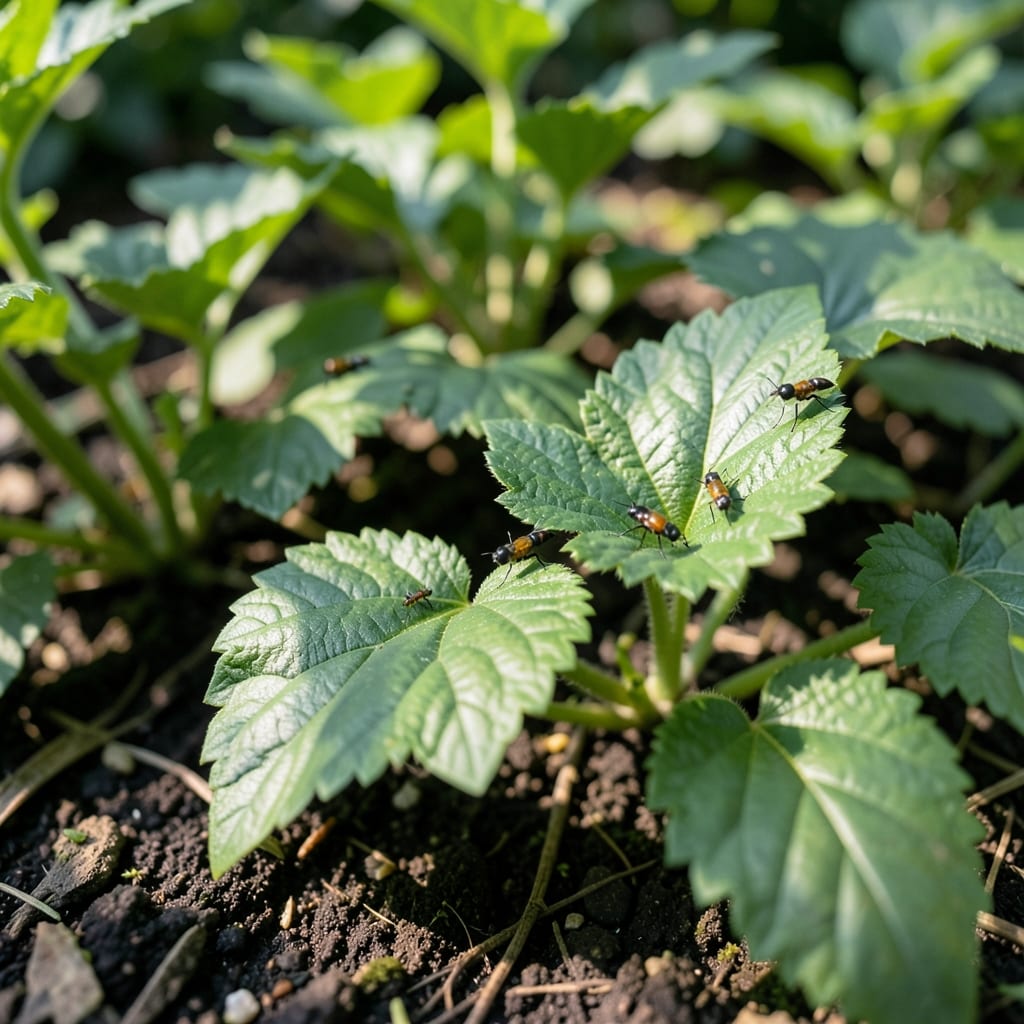
Adult fireflies primarily consume nectar or pollen, while larvae eat snails, slugs, and worms. They do not eat leaves as part of their natural diet.
I’ve learned their diet shifts dramatically between life stages. As adults, they focus on energy-rich nectar and pollen to fuel flight and mating. Their larvae, however, are voracious predators, hunting soft-bodied prey to build strength for metamorphosis. This division explains why you’ll never spot them munching on foliage. 💫
What fascinates me most is how their eating habits support entire ecosystems. Adults pollinate plants while larvae control pest populations, creating a perfect natural balance. 🌟
💡 In This Article
Adult fireflies have a simple but strategic diet. They sip nectar and pollen from flowers, providing the quick energy needed for their nighttime flights and mating displays. Their mouthparts are adapted specifically for this liquid diet, lacking the chewing capability to process solid plant material. 🔥
In contrast, larval fireflies are active predators. They hunt snails, slugs, and worms, injecting them with digestive enzymes that liquefy their prey’s insides. This protein-rich diet fuels their growth through multiple molts before pupation. Their hunting method is remarkably efficient, using paralyzing toxins to subdue prey much larger than themselves. ⚡
The absence of leaves in their diet comes down to biology. Both adult and larval fireflies lack the enzymes to break down cellulose, the tough fiber in plant leaves. Their digestive systems are specialized for either liquid sugars or animal proteins, making leaf consumption both impossible and unnecessary. ✨
This dietary specialization serves an ecological purpose. Adults contribute to pollination while larvae help control garden pests. The two life stages occupy different niches, creating a balanced role in their ecosystem without competing for the same food resources. 💫
Interestingly, some adult fireflies don’t eat at all. Certain species live only 1-2 weeks as adults, using stored energy from their larval stage solely for reproduction. This extreme adaptation shows how their diet is perfectly tailored to each life stage’s specific needs. 🌟
Adult fireflies primarily sip nectar and pollen from flowers. Their mouthparts are designed for liquids, not solids like leaves. This diet fuels their nighttime flights and mating displays.
Firefly larvae are voracious predators, feeding on snails, slugs, and worms. They inject digestive enzymes to liquefy their prey’s insides, turning them into a protein-rich meal.
Both adult and larval fireflies lack the enzymes to break down cellulose, the tough fiber in plant leaves. Their digestive systems are specialized for either liquid sugars or animal proteins.
Interestingly, some species don’t eat at all as adults. They live only 1-2 weeks, using stored energy from their larval stage solely for reproduction.
Plant native night-blooming flowers like milkweed or goldenrod. Avoid pesticides and create moist, shaded areas with leaf litter for larvae to thrive.