
Beautiful Plants For Your Interior
Beautiful Plants For Your Interior
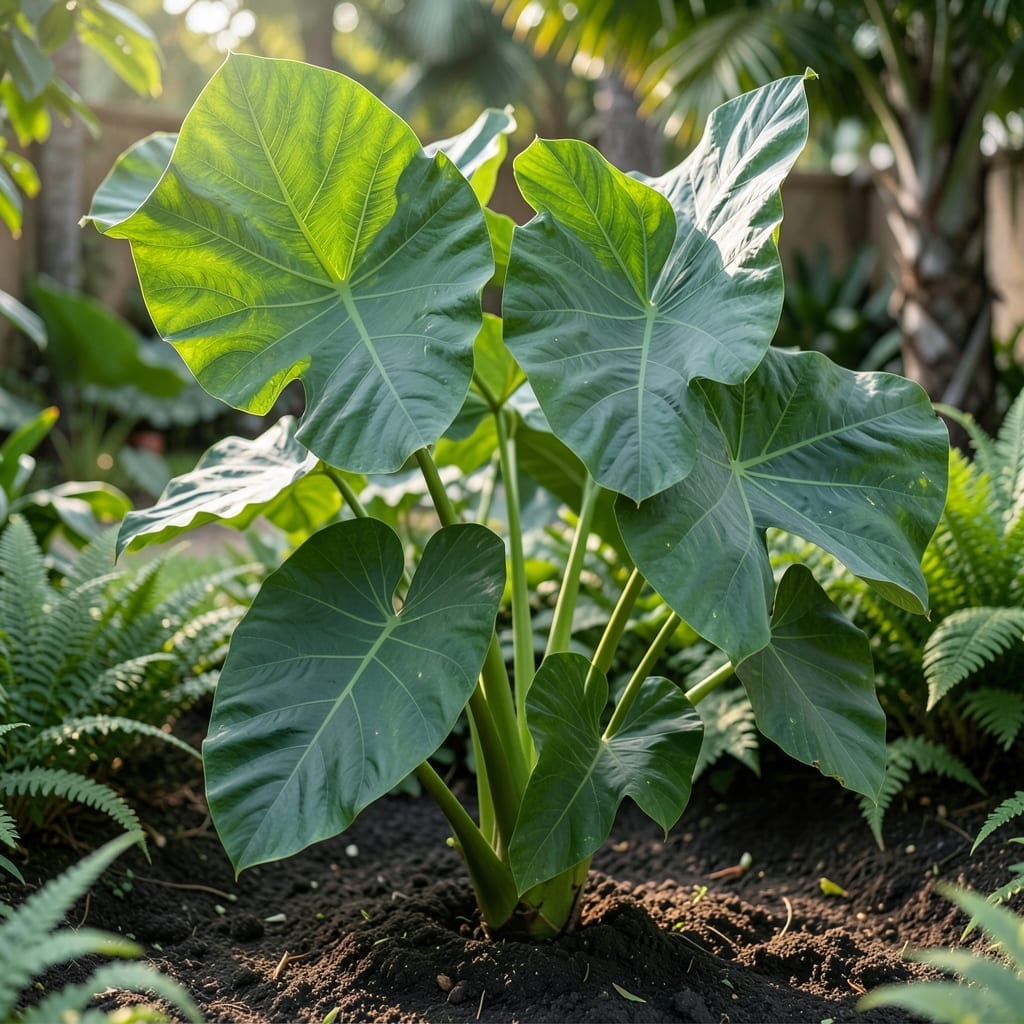
That lush, tropical look of Elephant Ear 🌿 plants can transform any garden, but their spreading habit often surprises even experienced gardeners. One day you have a single stunning specimen, and the next, it seems to have taken over.
Understanding how these dramatic plants expand is the first step to managing their growth. Whether you want to encourage their spread or keep them contained, knowing their natural tendencies makes all the difference.
Let me walk you through what to expect and how to control or encourage their growth in your garden space.
If you’ve noticed your elephant ears taking over more space each season, you’re seeing their natural spreading habit in action. These tropical beauties expand primarily through their underground tuber system, sending out new shoots. 🌿
In ideal conditions, elephant ears can spread 1-2 feet annually, with some varieties reaching 6 feet wide at maturity. The rate depends on soil quality, moisture levels, and sunlight exposure. Rich, moist soil accelerates their growth significantly. ☀️
| Growth Factor | Details |
|---|---|
| Spread Rate | 1-2 feet per year |
| Mature Width | 3-6 feet wide |
| Primary Method | Underground tubers |
| Ideal Soil | Rich, moist, well-draining |
The tuber system is the engine behind their expansion. Each mother tuber produces offset tubers that sprout new plants. In warm climates (USDA zones 9-11), these tubers may survive winter, leading to yearly regrowth and further spreading. 🪴
In cooler zones, the tubers must be dug up and stored over winter. This actually helps control spread, as you can selectively replant only the tubers you want to keep. Without this intervention, elephant ears would continue expanding unchecked in frost-free areas.
Environmental factors play a huge role. Full sun and consistent watering create the perfect conditions for rapid growth. I’ve seen clumps double in size in a single season when given these ideal conditions. Even partial shade works, though growth may be slightly slower.
The Colocasia and Alocasia varieties have different spreading habits. Colocasia (often called taro) tends to be more aggressive, spreading quickly through runners. Alocasia, while still expanding, typically forms tighter clumps. Know your variety to anticipate its growth pattern.
For gardeners in container gardens, spread is naturally limited by the pot size. However, even in containers, you’ll need to divide and repot every 2-3 years as the tubers multiply. This prevents the plant from becoming root-bound and maintains healthy growth.
Left unchecked in garden beds, elephant ears can crowd out other plants. Their large leaves create dense shade that may inhibit the growth of sun-loving companions. This is why many gardeners choose to plant them in isolated beds or use root barriers. ✂️
In my experience, the key to managing spread is regular monitoring. Check for new shoots emerging 1-2 feet from the main clump in spring. This is your cue to either dig and divide or install barriers before they establish too firmly.
If you love the tropical look but want to keep it in check, I’ve got you covered. Elephant ears can be managed with the right strategies. The key is acting before they take over your garden beds. 🌿
One of the most effective methods is container planting. By growing them in large pots or raised beds, you naturally limit their spread. Just
For in-ground planting, root barriers work wonders. Install plastic or metal edging at least 12-18 inches deep around the planting area. This physically blocks the tubers from spreading beyond their designated space. ✂️
Another approach is strategic placement. Position your elephant ears in isolated garden beds or areas where their spread won’t interfere with other plants. This is especially useful if you want a bold focal point without the maintenance hassle.
Regular division is essential for long-term control. In early spring, dig up the tubers and separate the offsets. Replant only what you need, and discard or share the rest. This keeps the plant vigorous while preventing overgrowth.
Finally, pay attention to environmental conditions. Reducing water or sunlight can slow their spread, though this may also affect their size and vibrancy. In my garden, I’ve found that partial shade helps moderate their growth without sacrificing their dramatic appeal. 🌱