
Beautiful Plants For Your Interior
Beautiful Plants For Your Interior
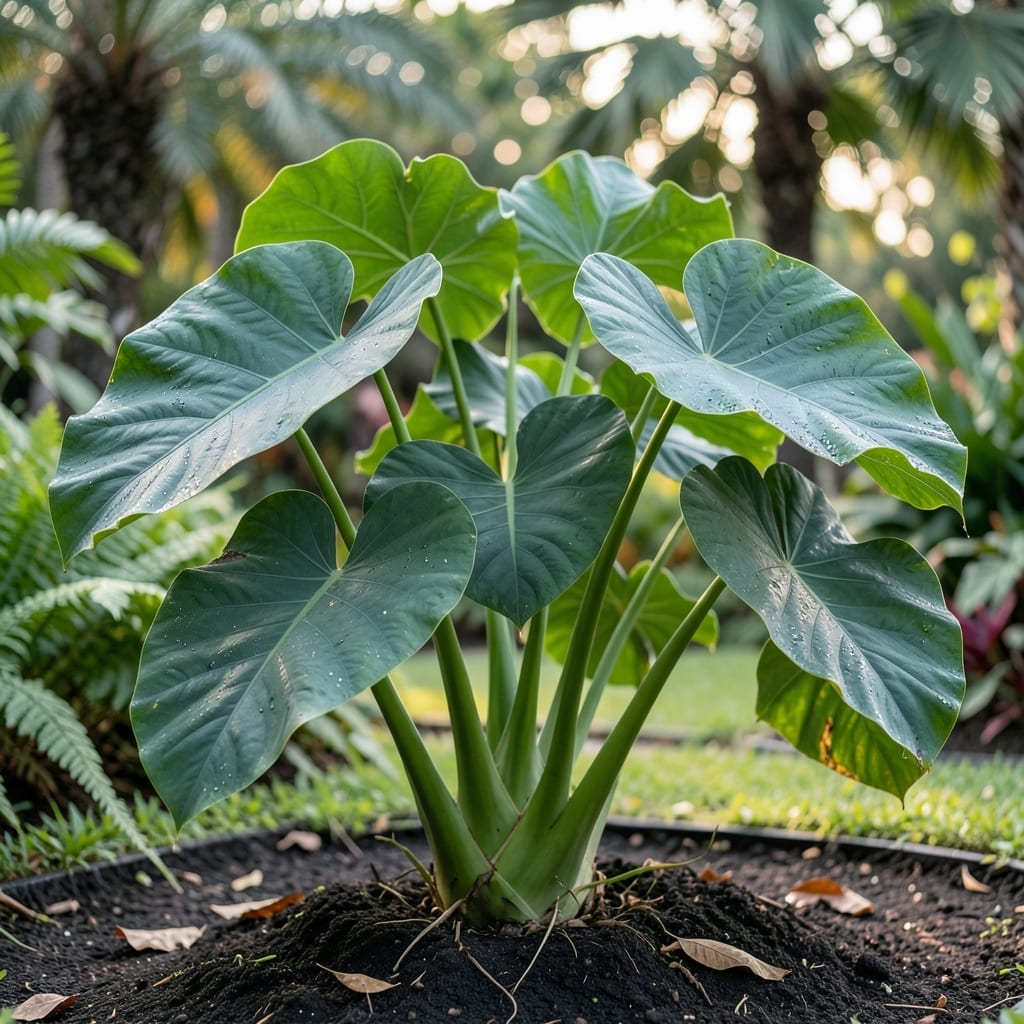
Elephant ears are prized for their dramatic, tropical foliage, but many gardeners wonder about their hidden potential. The 🌿 Elephant Ear might surprise you with its rare flowering ability under the right conditions.
I’ve seen these bold plants transform gardens with their lush leaves, yet their flowers remain a mystery to most. The truth is, blooming is uncommon in cultivation, but it’s not impossible.
What triggers this rare event, and how can you encourage it? Discover the secrets behind their unique flowering habits and what it means for your garden.
Let’s explore how to care for your Elephant Ear to support its best growth—foliage or flowers—so you can enjoy its full potential.


If you’ve ever grown elephant ears (Colocasia or Alocasia), you know their lush foliage steals the show. But yes, they do produce flowers, though it’s a rare sight in most gardens.
These tropical beauties typically bloom only when they’re mature and healthy, often in their second or third year. The flowers are small, white or pale yellow, and resemble peace lily blooms. 🌿
| Feature | Details |
|---|---|
| Flower Color | White, pale yellow |
| Bloom Time | Summer to early fall |
| Flower Shape | Spadix with spathe |
| Frequency | Rare in cultivation |
In their native tropical habitats, elephant ears flower more readily due to consistent warmth and high humidity. However, in cooler climates, they focus energy on foliage growth rather than blooming.
I’ve found that Colocasia varieties are slightly more likely to flower than Alocasia types. The ‘Black Magic’ and ‘Mojito’ cultivars occasionally produce blooms under ideal conditions. 🌱
For flowering to occur, your plant needs full maturity, typically reaching 3-5 feet tall. Smaller, younger plants are unlikely to bloom, as they prioritize establishing their root systems.
The flowers emerge on long stalks from the center of the plant. They’re often hidden beneath the leaves, so you might miss them if you’re not looking closely. The blooms last a few days before fading.
If you’re eager to see flowers, mimic their natural environment. Provide partial shade, consistent moisture, and rich, well-draining soil. Avoid over-fertilizing with high-nitrogen products, as this promotes leaf growth over blooms.
Remember, while flowers are a bonus, the real star is the dramatic foliage. Many gardeners never see their elephant ears bloom but still enjoy their tropical appeal year after year. ✂️
In my experience, the rare blooms are a special treat, but I don’t grow elephant ears solely for flowers. Their bold leaves provide enough visual impact to make them a garden standout, with or without blooms.
If you want to see elephant ear flowers, you’ll need to create ideal conditions. These tropical plants thrive in warm climates with consistent moisture and partial shade. I’ve found that mature plants are more likely to bloom.
Start by ensuring your elephant ears receive 4-6 hours of sunlight daily. Too much shade can prevent flowering, but direct afternoon sun can scorch the leaves. Balance is key for these dramatic plants. 🌿
Another critical factor is soil quality. Elephant ears prefer rich, well-draining soil with plenty of organic matter. I always mix in compost before planting to give them a nutrient boost.
Don’t overcrowd your plants. Good air circulation prevents disease and supports healthy growth. Space them 2-3 feet apart for best results.
Remember, even with perfect care, flowering is rare in cultivation. Most gardeners grow elephant ears for their striking foliage. If you do see a bloom, it’s a special treat!
Finally, if you live in a cooler climate, consider growing elephant ears in containers. This way, you can move them indoors when temperatures drop below 50°F. ✂️