
Beautiful Plants For Your Interior
Beautiful Plants For Your Interior
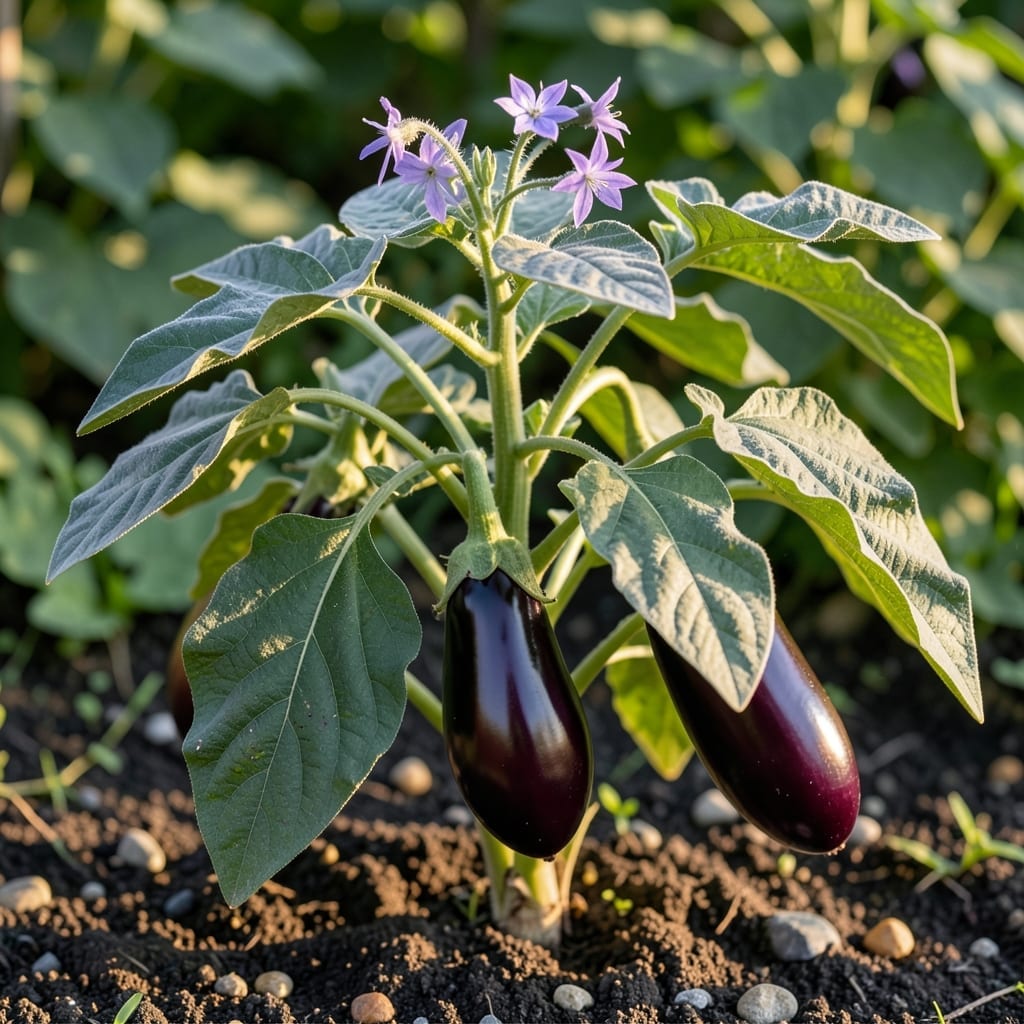
Eggplants thrive in warm climates, but do they really need full sun to produce a bountiful harvest? I’ve seen gardeners struggle with this question, unsure if their 🍆 Eggplant will flourish without enough light.
Understanding their light requirements can make or break your growing season. These plants aren’t just picky—they’re sun-worshippers at heart.
I’ll walk you through what happens when Eggplants get the right amount of sunlight—hint: it’s a game-changer for fruit production. You’ll also learn the risks of too much or too little exposure.
Discover the simple yet crucial steps to give your Eggplants the ideal conditions they crave for a healthy, productive grow.

If you’re wondering do eggplants like full sun, the answer is a resounding yes! These warm-season vegetables thrive with 6-8+ hours of direct sunlight daily. Without enough light, they’ll grow leggy and weak with poor fruit production.
In my experience, full sun exposure leads to the best yields of glossy, firm eggplants. The plants use that abundant light to produce energy for fruit development and overall vigor.
| Requirement | Specification |
| Ideal Sunlight | 6-8+ hours daily |
| Light Type | Direct sunlight |
| Minimum for Growth | 4-6 hours (reduced yield) |
| Best Window Direction | South-facing |
I’ve noticed that eggplants in full sun develop thicker stems and more abundant foliage. This helps them support the weight of their fruits and resist pests better than shaded plants.
In cooler climates, maximizing sunlight is even more crucial. I recommend planting eggplants in the sunniest spot of your garden, preferably against a south-facing wall to capture extra warmth.
Watch for signs of insufficient light like small, pale leaves or flowers that drop without setting fruit. These are clear indicators your eggplant needs more sun to thrive.
For container gardeners, place your eggplant pots where they’ll receive unobstructed sunlight for most of the day. I move mine around to follow the sun’s path when needed.
Remember that while full sun is ideal, eggplants also need consistent moisture. The combination of sun and water creates the perfect environment for rapid growth.
In extremely hot regions, a bit of afternoon shade can prevent heat stress. But in most cases, more sun equals better eggplants.
☀️I’ve found that varieties like ‘Black Beauty’ and ‘Ichiban’ perform exceptionally well in full sun, producing larger, more flavorful fruits than those grown in partial shade.
So if you’re asking do eggplants like full sun, the answer is clear: they don’t just like it, they need it to reach their full potential in your garden.
🌱I always recommend giving eggplants the sunniest spot in your garden. These warm-season vegetables need 6-8 hours of direct sunlight daily to thrive and produce abundant fruit.
Without enough light, you’ll notice smaller fruits, stunted growth, and fewer blooms. That’s why I prioritize south-facing locations for my eggplant beds.☀️
If your garden lacks full sun, don’t worry. I’ve successfully grown eggplants in partial shade, but they required longer growing seasons and extra care to compensate for less light.
For container gardening, I place my eggplant pots on a sunny patio or balcony. This gives me the flexibility to move them as the sun’s angle changes throughout the day.
Remember, even in full sun, eggplants can suffer from heat stress. I use shade cloth during the hottest part of the day in extreme climates to prevent wilting.🌱
Finally, keep the soil consistently moist. Dry conditions combined with intense sunlight can stress the plants. A thick layer of organic mulch helps retain moisture and regulate soil temperature.