
Beautiful Plants For Your Interior
Beautiful Plants For Your Interior
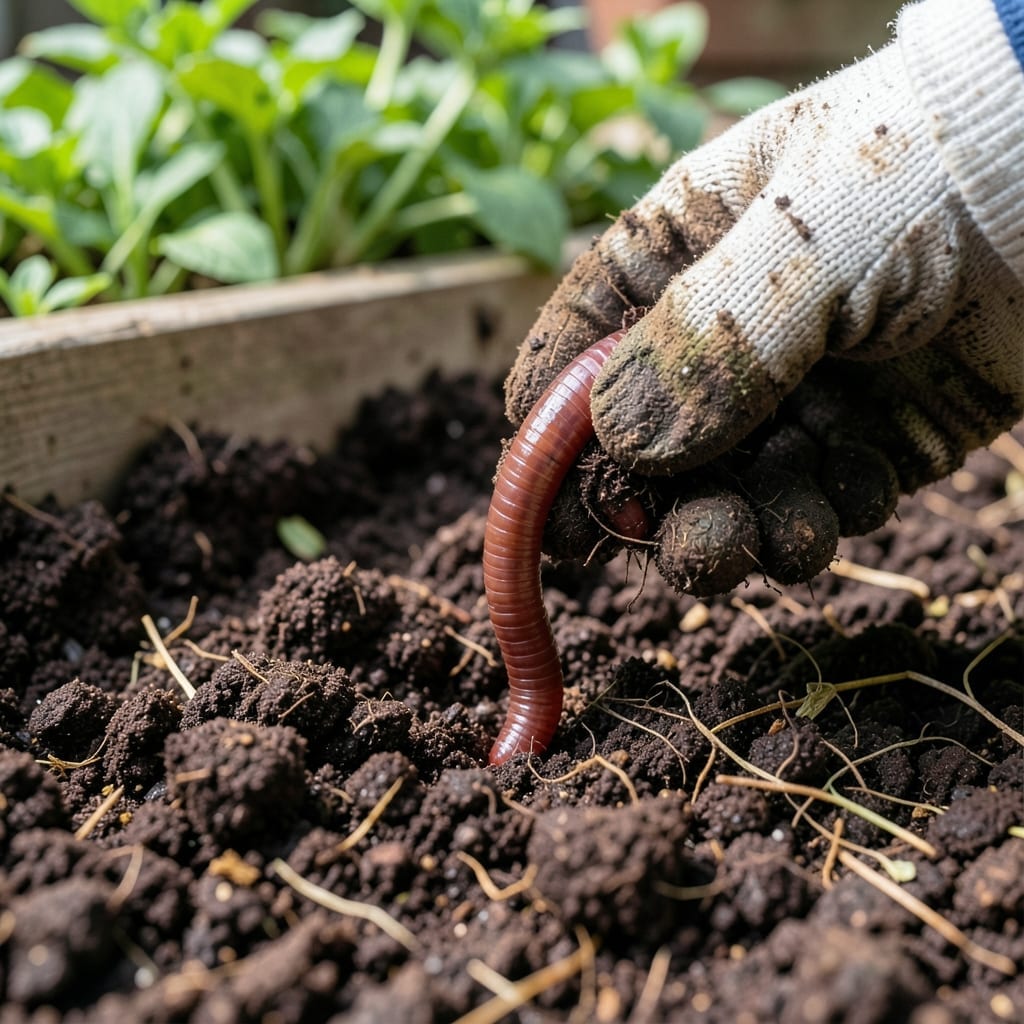
Earthworms generally do not carry diseases harmful to humans. They may host parasites affecting other animals, but direct transmission to people is extremely rare with proper handling.
I’ve researched this extensively, and the science is clear: earthworms lack the biological pathways to harbor human pathogens. Their immune systems and digestive processes are fundamentally different from ours, which acts as a natural barrier. 🔥
For gardeners, the main precaution is simply washing hands after contact—this eliminates any theoretical risk from soil-borne organisms. Their role in ecosystems far outweighs any minimal concerns.
💡 In This Article
Earthworms possess a remarkably efficient immune system that targets pathogens before they can establish themselves. Their coelomic fluid contains antimicrobial peptides that neutralize bacteria and fungi within minutes of exposure. This fluid bathes their internal organs, creating a hostile environment for human pathogens to survive or replicate.
Their digestive tract operates at a pH of 6.5-7.5, which inhibits many human pathogens that prefer more acidic or alkaline conditions. The gut also contains chitinase enzymes that break down fungal cell walls, while muscular contractions move food through too quickly for most microorganisms to colonize. This rapid transit time (24-48 hours) prevents pathogen establishment.
Habitat isolation provides another protective layer. Earthworms spend their entire lives in soil, rarely coming into direct contact with human pathogens that typically spread through air, water, or direct human contact. Their burrowing behavior keeps them separated from surface contaminants that might harbor human diseases. ✨
Their body structure itself acts as a barrier. A thick, mucus-covered cuticle protects them from environmental pathogens, while their segmented body design allows them to compartmentalize any potential infections. This means even if one segment were compromised, the rest of the worm remains protected.
Research shows earthworms can actually improve soil health by consuming harmful bacteria and fungi. Studies have demonstrated that earthworm-populated soils contain 30-50% fewer pathogenic microorganisms than soils without them. Their casting process further neutralizes many potential pathogens through exposure to digestive enzymes. 🔥
Proper handling poses minimal risk. Wash hands with soap and warm water for 20 seconds afterward. Their biology prevents human pathogen transmission, but basic hygiene eliminates any theoretical concerns.
They may host species-specific parasites, but these don’t affect humans. Their immune systems and digestive enzymes neutralize most organisms before they can become problematic for other species.
Yes, with supervision. Teach children to avoid touching their face afterward and to wash hands immediately. This simple precaution makes worm encounters both safe and educational.
While not strictly necessary, nitrile or latex gloves provide an extra barrier. They’re especially recommended if you have open wounds or sensitive skin.