
Beautiful Plants For Your Interior
Beautiful Plants For Your Interior
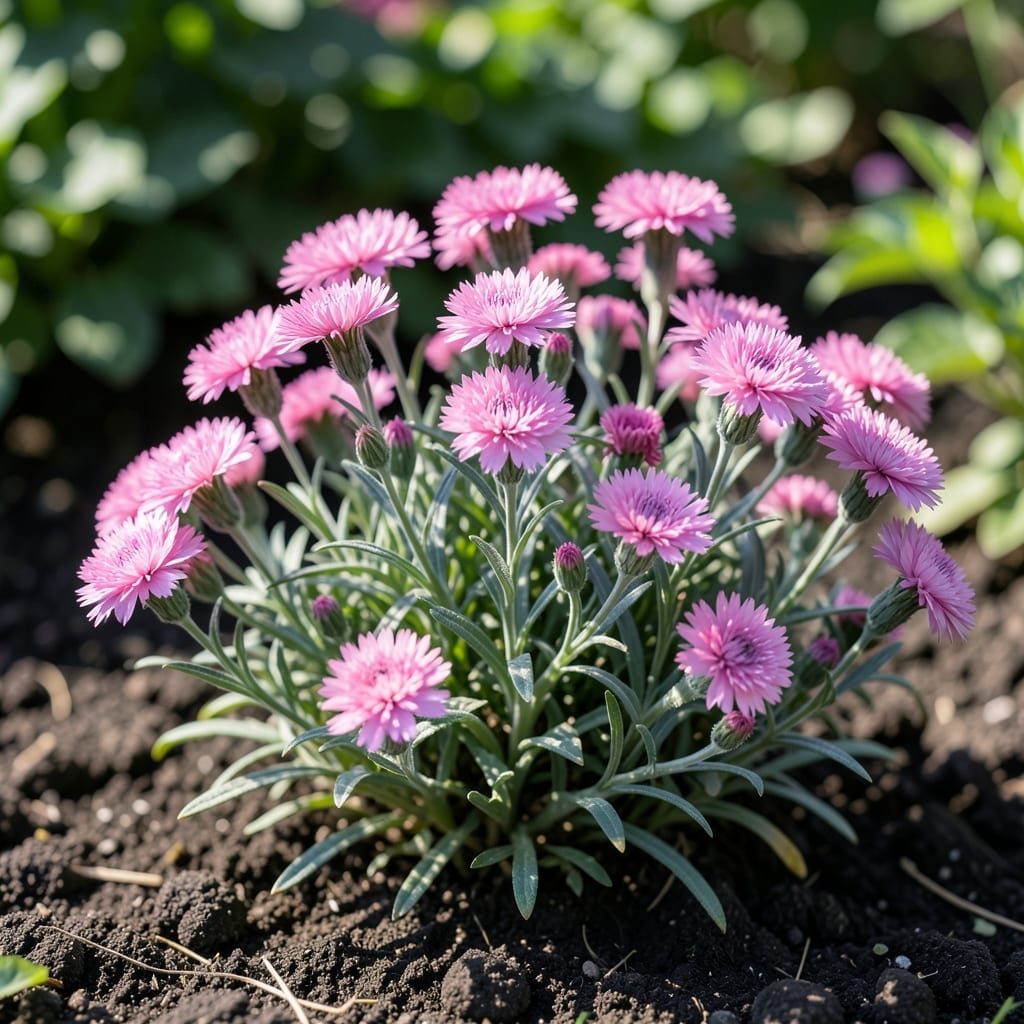
Dianthus 🌸 flowers bring vibrant colors and sweet fragrance to gardens, but many gardeners wonder: will they return next year? The answer depends on the variety and how you care for them.
Some types of Dianthus are perennial, coming back year after year with the right care. Others are annual or biennial, which means they won’t return on their own.
Let me share the key factors that determine whether your Dianthus will bloom again next season—and how you can encourage them to thrive.
If you’ve ever admired Dianthus flowers and wondered whether they’ll return next year, the answer depends on the type you’ve planted. Some varieties are perennial, blooming year after year in the right conditions.
Others are annuals or biennials, meaning they complete their life cycle in one or two years and won’t regrow without replanting. Let’s break down the differences to help you choose the best type for your garden.
For gardeners in cooler climates, D. gratianopolitanus and D. deltoides are excellent choices. These perennial Dianthus thrive in USDA zones 3-9 and often return with minimal care.
In contrast, D. chinensis is typically grown as an annual in most regions, though it may self-seed in ideal conditions. Sweet William (D. barbatus) is a biennial, meaning it flowers in its second year and then dies.
I’ve found that even perennial Dianthus benefit from proper care to ensure they return. Well-draining soil and full sun exposure are key to their longevity. If your garden has heavy clay, consider amending it with compost.
Another factor is winter survival. In colder zones, a layer of mulch can protect the roots from freeze-thaw cycles. In warmer climates, ensure they’re not waterlogged during rainy seasons.
If you’re unsure which type you have, observe its growth habit. Perennial Dianthus often form mats or clumps that expand over time, while annuals tend to stay compact and may not return.
For the best results, I recommend planting a mix of perennial and annual varieties. This way, you’ll enjoy continuous blooms while ensuring some plants return each year.
Remember, even perennial Dianthus may not last forever. Over time, they can become woody or less vigorous. Dividing them every 2-3 years keeps them healthy and promotes better flowering.☀️
To keep your Dianthus flowers returning, focus on proper care techniques. Perennial varieties like D. gratianopolitanus and D. deltoides will thrive with the right approach.
Start by planting in well-draining soil with full sun exposure. These conditions mimic their native habitat and encourage strong, healthy growth.
I always deadhead spent blooms to prevent seed formation, which redirects the plant’s energy toward producing more flowers instead of seeds. This simple step can significantly extend the blooming period.
Pruning after flowering is another key practice. Trim back the stems by about one-third to encourage bushier growth and more blooms next season. Avoid heavy pruning, as it can stress the plant.
In colder climates, a 2-3 inch layer of mulch around the base of the plant helps insulate the roots. Use organic mulch like straw or shredded bark, which also improves soil as it breaks down.
Watering consistently is crucial, but be careful not to overdo it. Dianthus prefers moderate moisture and can suffer in soggy soil. I water mine deeply once a week, allowing the soil to dry slightly between waterings.
Finally, fertilize lightly in early spring with a balanced fertilizer to give your Dianthus a nutrient boost. Avoid over-fertilizing, as it can lead to excessive foliage with fewer flowers.🌸