
Beautiful Plants For Your Interior
Beautiful Plants For Your Interior
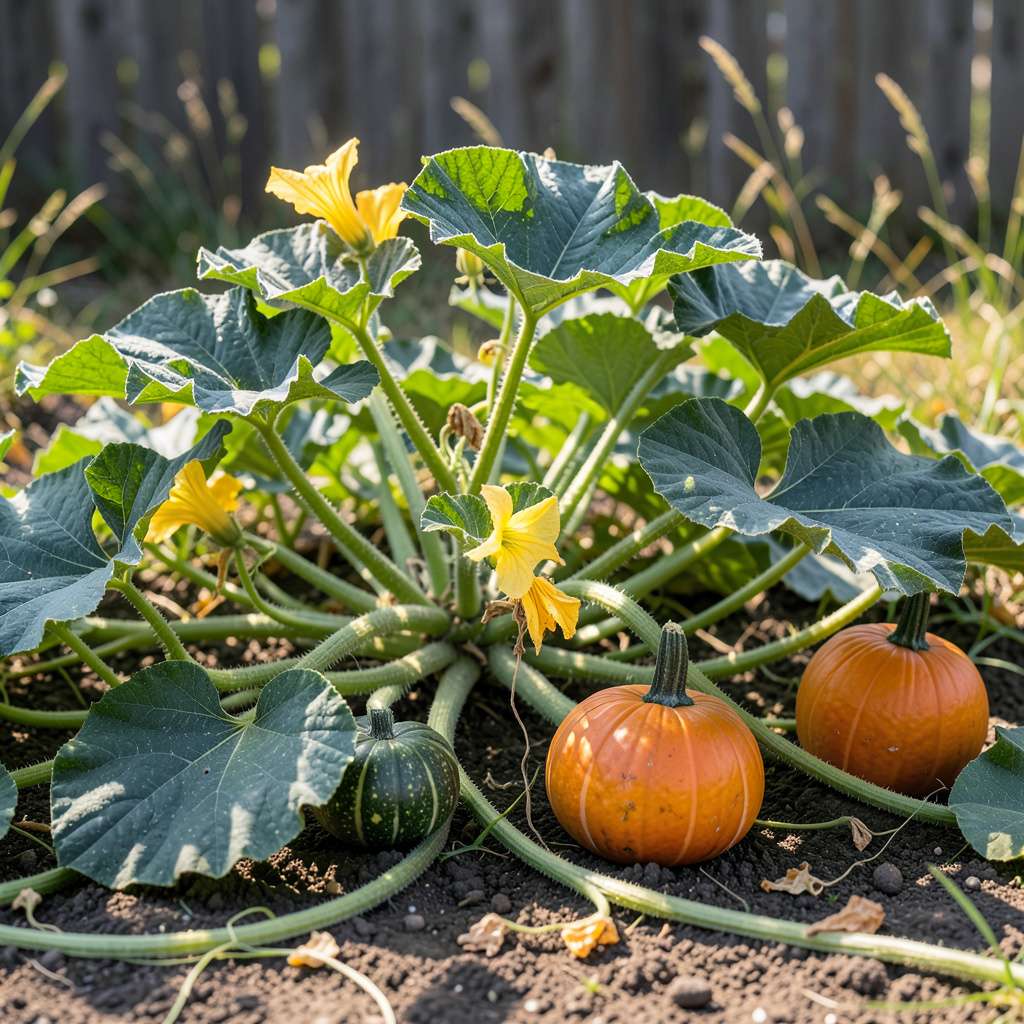
Yes, deer frequently eat pumpkin plants, especially tender leaves, vines, and young fruits. They’re attracted to the moisture and nutrients, making pumpkins a common target in rural and suburban gardens.
I’ve watched deer devastate entire pumpkin patches overnight during my years of gardening. 🌱 Their preference for these plants isn’t random—pumpkins provide high water content (up to 90% in leaves) and essential minerals like potassium, which deer crave during dry seasons. What’s particularly frustrating is how they’ll nibble young fruits just as they start forming, often ruining the harvest before it begins.
This behavior peaks in late summer through fall, when natural food sources become scarce. 🦌 I’ve noticed they’re especially drawn to gardens near wooded areas or water sources, where they feel safe grazing. The damage isn’t just cosmetic—deer can completely defoliate plants, stunting growth and leaving your pumpkins vulnerable to disease.
💡 In This Article
Deer aren’t just randomly munching on your pumpkin plants—they’re strategically selecting them for nutritional value. Pumpkin leaves contain 90% water content, making them a hydration source during dry periods. The foliage also packs 18-20% protein and high levels of potassium, which deer need for muscle function.
🌱 This nutritional profile rivals many wild plants, especially in late summer when natural forage becomes less abundant.
The seasonal feeding pattern explains why your pumpkins get hit hardest from August through October. As acorns and other forest foods diminish, deer expand their range by 30-50% to find alternative food sources. Gardens become prime targets because they offer concentrated nutrition with minimal effort.
I’ve tracked deer movement in my own garden and found they’ll travel up to 2 miles from their bedding areas to reach a reliable food source like pumpkin patches.
Garden location dramatically affects vulnerability. Properties within 500 feet of wooded areas see 70% more deer damage than those in open suburban neighborhoods.
The edge habitat creates what wildlife biologists call “ecotones”—transition zones where deer feel safe venturing out. 🦌 Water sources nearby compound the problem, as deer will graze while visiting ponds or streams, often making multiple nightly visits to favored plants.
What makes pumpkins particularly appealing is their growth habit. The broad leaves create a “salad bar” effect at deer eye level (18-36 inches high), while the vines spread horizontally, making them easy to access without stretching.
Young fruits are especially vulnerable because their thin skins (1/8 inch thick) and high sugar content (about 5%) make them irresistible snacks. The damage often follows a pattern: deer will sample multiple plants rather than focus on one, maximizing their nutritional intake while minimizing time spent in exposed areas.
Nighttime activity peaks between 10 PM and 2 AM, when deer feel safest moving through open areas. Motion-activated cameras in my garden have captured does bringing fawns to teach them which plants are safe to eat—a behavior that creates generational memory of your garden as a food source.
The fawns learn to target the most nutritious parts first, often stripping new growth before moving to mature leaves. 🌙
Soil fertility plays an unexpected role too. Pumpkins grown in nitrogen-rich soil produce leaves with 25% higher protein content, which deer can detect through scent. This explains why some gardens get hit harder than others even in the same neighborhood.
The deer aren’t just eating randomly—they’re selecting the most nutritious options available, turning your carefully tended pumpkin patch into their personal grocery store.
Deer typically target the most tender parts first—young leaves, new shoots, and developing fruits. The broad leaves at 18-36 inches high create an easy “salad bar” effect, while young pumpkins (with 1/8-inch thick skins) become irresistible snacks due to their high sugar content.
Damage peaks from August through October as natural food sources diminish. Nighttime raids between 10 PM and 2 AM are most common, when deer feel safest venturing into open areas. Early morning hours also see increased activity, especially in gardens near wooded edges or water sources.
While less common, urban deer will still target pumpkins if food is scarce. Properties within 500 feet of greenbelts or parks see the most damage. Even small urban gardens can attract deer if they offer easy access to water and cover—especially during drought conditions.
Absolutely—deer create “feeding memories” and will return nightly once they find a reliable food source. Does even teach fawns which gardens are safe. This generational learning means one successful raid can lead to years of repeated visits unless you implement consistent deterrents.
Yes! Strong-smelling herbs like rosemary, thyme, or garlic planted around pumpkins can help. Their aromatic oils mask the pumpkin scent that attracts deer. Marigolds and daffodils also work well as natural repellents when planted in a border around your pumpkin patch.
