
Beautiful Plants For Your Interior
Beautiful Plants For Your Interior
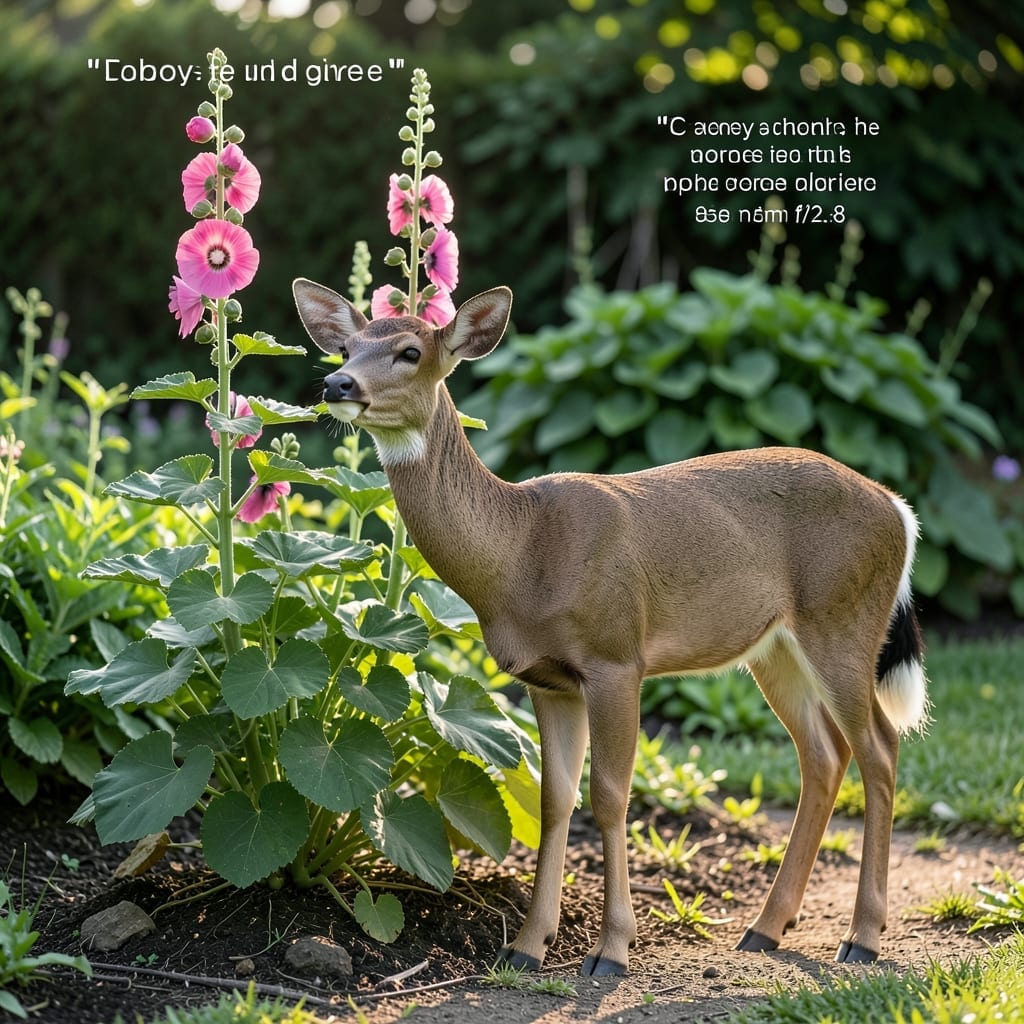
Hollyhocks 🌸 bring stunning height and color to gardens, but their beauty often attracts unwanted visitors. If you’ve spotted deer near your flower beds, you’re likely wondering about their interest in these tall blooms.
Deer are known to browse on a variety of plants, and hollyhocks can be a target. Their tender leaves and young shoots are especially appealing to these garden invaders.
Discover the signs of deer damage and learn how to protect your hollyhocks with practical solutions that actually work.
If you’ve noticed deer near your garden, you’re probably wondering if they’re munching on your hollyhocks. The short answer is yes, deer do eat hollyhocks, especially when other food is scarce.
Hollyhocks are particularly appealing because their tender leaves and young shoots are soft and easy for deer to consume. These plants also produce abundant foliage, making them a tempting snack.
| Plant Part | Deer Appeal | Damage Risk |
|---|---|---|
| Young leaves | High – tender and nutritious | Severe |
| Stems | Moderate – softer when young | Moderate |
| Flowers | Low – less preferred | Minimal |
| Mature leaves | Low – tougher texture | Minimal |
Deer tend to focus on the newest growth first, which can quickly stunt your hollyhocks. In areas with high deer populations, entire plants may be consumed overnight, leaving only bare stems.
Another factor is seasonal availability. In spring and early summer, hollyhocks are among the first plants to emerge, making them an easy target when deer are hungry after winter.
I’ve seen gardens where hollyhocks were completely devoured within days of sprouting. This is especially true in rural or wooded areas where deer have fewer food options.
The height of hollyhocks doesn’t deter deer either. While they can grow 5-8 feet tall, deer will stretch to reach the lower leaves, and may even trample smaller plants to access the foliage.
If you’re growing heirloom varieties or double-flowered hollyhocks, they may be slightly less appealing to deer due to their denser structure. However, no hollyhock is completely deer-proof.
In my experience, the worst damage occurs in early morning or late evening when deer are most active. Checking your garden at dawn often reveals fresh signs of browsing.
Understanding why deer target hollyhocks is the first step in protecting them. With the right strategies, you can enjoy these beautiful blooms without constant worry 🌸
If you want to keep deer away from your hollyhocks, physical barriers are your best defense. A 8-foot tall fence is ideal, but even a 4-foot fence can deter most deer if slanted outward.
For smaller gardens, individual plant cages made of chicken wire or deer netting can work wonders. I’ve found that 1-inch mesh is too small for deer to poke their noses through.
Commercial repellents can also be effective. Look for putrescent egg-based or hot pepper sprays that create an unpleasant taste. Reapply after rain or watering for best results.
Companion planting offers a natural solution. Plant deer-resistant species like lavender, daffodils, or Russian sage near your hollyhocks. Their strong scents often mask the hollyhocks’ appeal.
Some gardeners swear by homemade solutions like soapy water sprays or human hair scattered around plants. While less reliable, these can provide temporary protection in low-pressure areas.
Remember, consistency is key. Deer are persistent and will return if they find your defenses down. I always rotate my protection methods to keep them guessing 🌸