
Beautiful Plants For Your Interior
Beautiful Plants For Your Interior
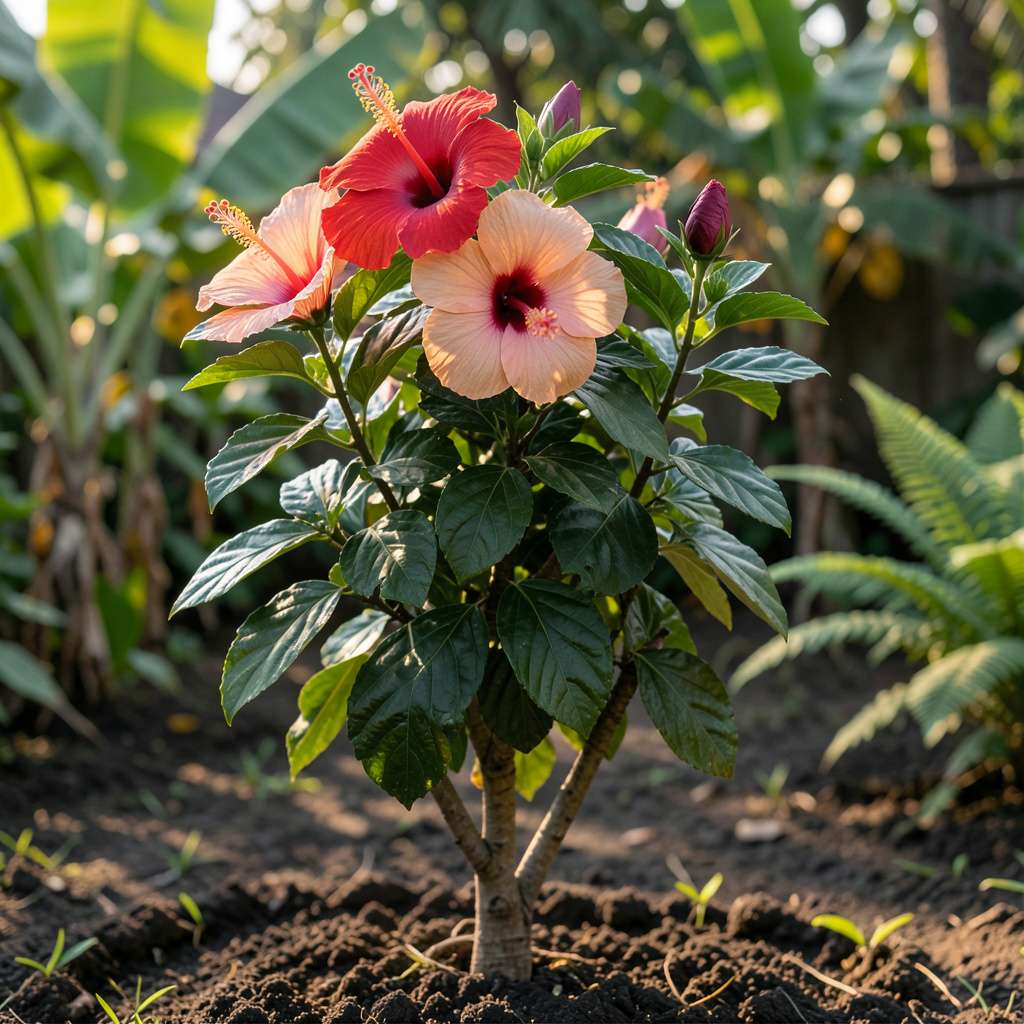
Yes, deer frequently eat hibiscus plants, especially tender leaves and flowers. These plants are not deer-resistant, making them a common target in gardens without proper protection measures.
I’ve watched deer treat hibiscus like a salad bar—it’s one of their top picks when foraging in gardens. 🌿 The soft, moisture-rich leaves and vibrant flowers are particularly irresistible, especially during dry seasons when other food sources are scarce. What makes hibiscus so vulnerable is its lack of natural defenses; unlike plants with thorns or bitter compounds, hibiscus offers no deterrent to hungry deer. This becomes especially problematic in suburban areas where deer populations are high and natural habitats are limited.
💡 In This Article
Hibiscus plants are like fast food for deer—nutritionally rich and easy to consume. The leaves contain 85-90% moisture, making them a hydrating snack, especially during summer droughts when water sources dry up. 🌿 Deer also prefer the soft, tender foliage that requires minimal chewing effort compared to woody plants.
What’s more, hibiscus flowers provide a sugar boost from nectar, giving deer both hydration and quick energy in one meal.
The seasonal feeding patterns reveal why hibiscus often disappears overnight. In spring and early summer, deer focus on new growth—hibiscus shoots contain 18-22% protein, higher than mature leaves. By late summer, they target flowers and seed pods for carbohydrates.
Their keen sense of smell detects hibiscus from 100+ feet away, while the bright colors act as visual beacons in garden landscapes. Unlike thorny roses or bitter-tasting lavender, hibiscus offers zero natural deterrents.
What makes hibiscus particularly vulnerable is its growth habit. Most varieties reach only 3-5 feet tall, putting them at perfect browsing height for deer. The broad leaves create a dense canopy that deer can easily strip in one feeding session. I’ve seen established hibiscus plants reduced to bare stems overnight when deer populations are high.
This contrasts sharply with taller plants like hollyhocks or deer-resistant species like boxwood that deer typically avoid.
Deer also remember reliable food sources. Once they discover your hibiscus, they’ll return repeatedly, often bringing others. Their feeding creates a positive feedback loop—each visit strips more foliage, which stimulates new growth that’s even more tender and appealing.
This cycle explains why some gardeners report hibiscus being completely defoliated within 2-3 weeks of the first deer sighting. 🦌
The damage isn’t just cosmetic. Severe browsing weakens plants by removing photosynthetic tissue and flower buds. This stress makes hibiscus more susceptible to diseases and reduces winter hardiness. Unlike grazing animals that might take small bites, deer often consume entire branches, setting plants back by months.
The economic impact adds up quickly when you consider replacement costs for mature hibiscus specimens that can take 3-5 years to reach full size.
Comparisons with other garden plants show why hibiscus gets hit hardest. While deer might sample daylilies or hostas, they’ll completely bypass strongly scented herbs like rosemary or fuzzy-leaved plants like lamb’s ear. Hibiscus lacks these natural defenses, making it the equivalent of an unguarded buffet in your garden.
The plants’ high palatability combined with deer’s excellent memory for food locations creates a perfect storm for garden destruction.
Understanding this feeding behavior helps explain why standard deer repellents often fail with hibiscus. Sprays wash off quickly from the large, smooth leaves, and physical barriers need to be at least 8 feet tall to be effective.
The plants’ very appeal to deer—their tenderness and high moisture content—makes them exceptionally difficult to protect without comprehensive strategies that address both the nutritional attractiveness and the deer’s persistent feeding patterns.
Not exactly. While deer love most hibiscus, they show slight preference for tropical varieties with softer leaves over hardy hibiscus. The Hibiscus rosa-sinensis (Chinese hibiscus) gets hit hardest due to its juicy stems. Hardy hibiscus (Hibiscus moscheutos) fares slightly better but still needs protection.
Spring and fall are peak danger times. In early spring, deer target tender new growth for protein. Come late fall, they aggressively feed to build fat reserves for winter. During droughts, hibiscus becomes a water source—deer may visit daily until rains return.
Both! Deer consume entire flower buds first for their sugar content, then move to leaves and stems. A single deer can strip all blooms from a mature plant in one night. They’ll even eat fallen flowers from the ground. This explains why gardeners often find only bare stems remaining.
Mild browsing may allow recovery, but severe damage often kills plants. If stems remain green, prune ragged edges and apply fertilizer to encourage regrowth. For completely defoliated plants, recovery takes 4-6 weeks—if deer don’t return. Young plants rarely survive repeated browsing.
Unfortunately no—deer have excellent memories for food locations. Once they find your hibiscus, they’ll return until the plant is gone or completely inaccessible. The only “training” that works is consistent deterrence through physical barriers and repellent rotation. Persistence is key!
