
Beautiful Plants For Your Interior
Beautiful Plants For Your Interior
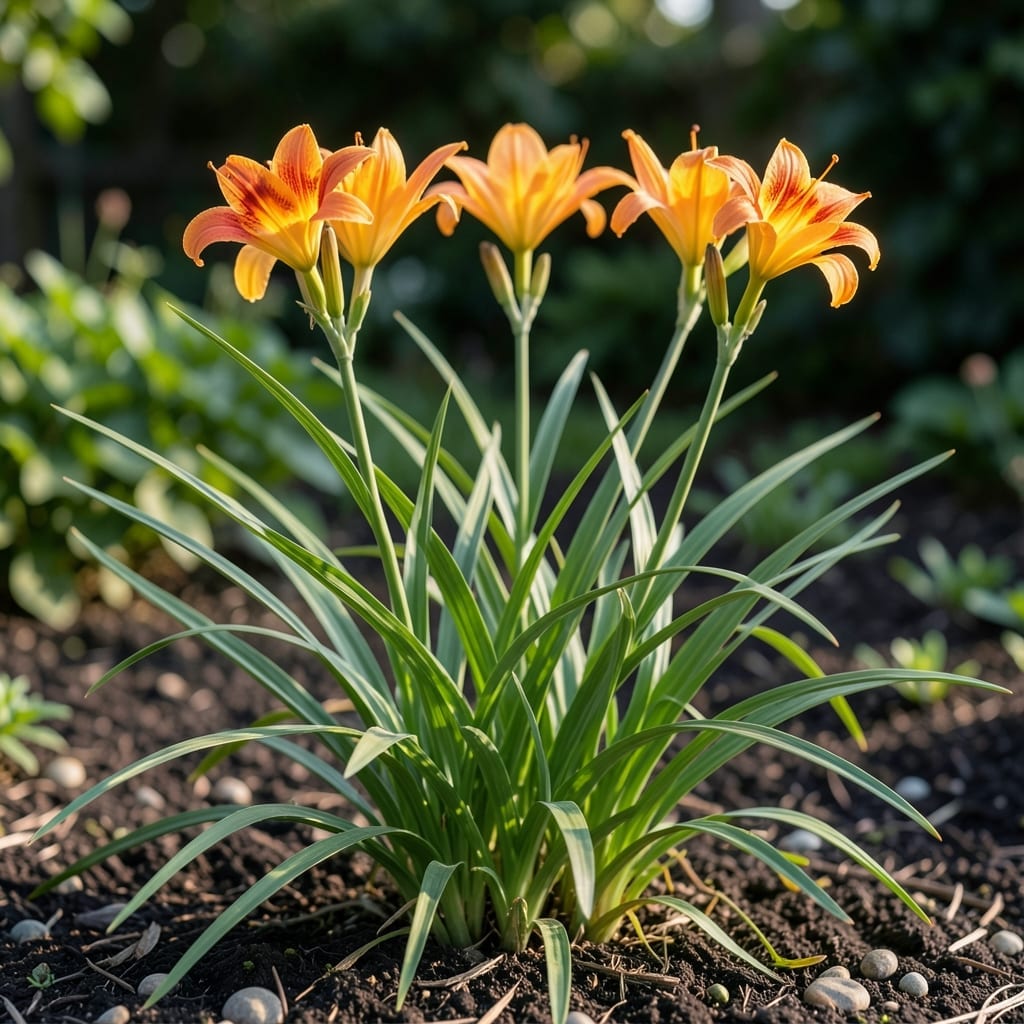
Picture this: a garden bursting with vibrant 🌸 Daylilies, their petals catching the sunlight in a dazzling display. Yet, many gardeners struggle to achieve this vision, often unsure about the perfect lighting conditions.
I’ve seen firsthand how the right amount of sunlight can transform these hardy plants. Daylilies are forgiving, but their blooms truly shine when given the ideal environment.
What if I told you that 6+ hours of direct sunlight could be the game-changer for your garden? Understanding their light needs is the first step to unlocking their full potential.
Let me walk you through what works best for Daylilies, so you can enjoy their beauty without the guesswork. It’s easier than you might think.

If you’re wondering do daylilies like full sun, the answer is a resounding yes! These hardy perennials absolutely thrive with 6+ hours of direct sunlight daily. Full sun exposure brings out their most vibrant blooms and strongest stems.
I’ve seen firsthand how daylilies in full sun produce more flowers and maintain healthier foliage compared to those in shadier spots. The morning sun is particularly beneficial as it dries dew quickly, reducing disease risks. ☀️
| Requirement | Specification |
|---|---|
| Ideal Sunlight | 6+ hours daily |
| Best Direction | South-facing |
| Minimum Light | 4-6 hours |
| Shade Tolerance | Partial shade okay |
While full sun is ideal, some daylily varieties can tolerate partial shade, especially in hotter climates. In my experience, afternoon shade can be beneficial in zones with intense summer heat, preventing scorched petals.
The quality of sunlight matters too. Daylilies perform best with morning sun and can handle gentle afternoon sun. If your garden gets harsh midday rays, consider providing some dappled shade.
I always recommend planting daylilies where they’ll get unobstructed sunlight from 9 AM to 3 PM. This window ensures they get the most beneficial light for photosynthesis and flower production.
For gardeners in northern climates, don’t worry if your daylilies get less than 6 hours of sun. Many varieties will still bloom, though flower count and vibrancy may be reduced. 🌿
In my own garden, I’ve noticed that daylilies in full sun not only bloom more profusely but also have stronger stems that resist flopping. The foliage stays greener longer when they get adequate light.
If you’re planting daylilies under trees, choose open canopy areas where dappled sunlight reaches the ground. Avoid deep shade as this typically results in sparse blooming and weak growth.
Remember, even drought-tolerant daylilies need proper sunlight to thrive. Pair their sun exposure with well-draining soil for the best results in your garden. 🌱
If your daylilies seem lackluster, they might be begging for more light. Sparse blooms or pale foliage are classic red flags that your plants aren’t getting their 6+ hours of sun daily.
Weak, leggy stems that flop over are another sign. Daylilies in low light stretch toward the sun, leading to poor structure and fewer flowers. Even healthy green leaves can hide this issue.
Watch for smaller flowers or shorter bloom cycles. These indicate your daylilies are conserving energy due to insufficient light. A sunny spot can reverse this quickly.
Check the soil moisture too. In shade, soil stays damp longer, which can rot roots. Full sun helps balance moisture and promotes robust growth.
If you notice yellowing leaves with green veins, it might not be sun—test for nutrient deficiencies. But if the whole plant looks weak, increase sunlight first.
Relocating daylilies to a sunnier spot often solves the problem. Even an extra 2-3 hours of direct sun can make a dramatic difference in their performance. ☀️