
Beautiful Plants For Your Interior
Beautiful Plants For Your Interior
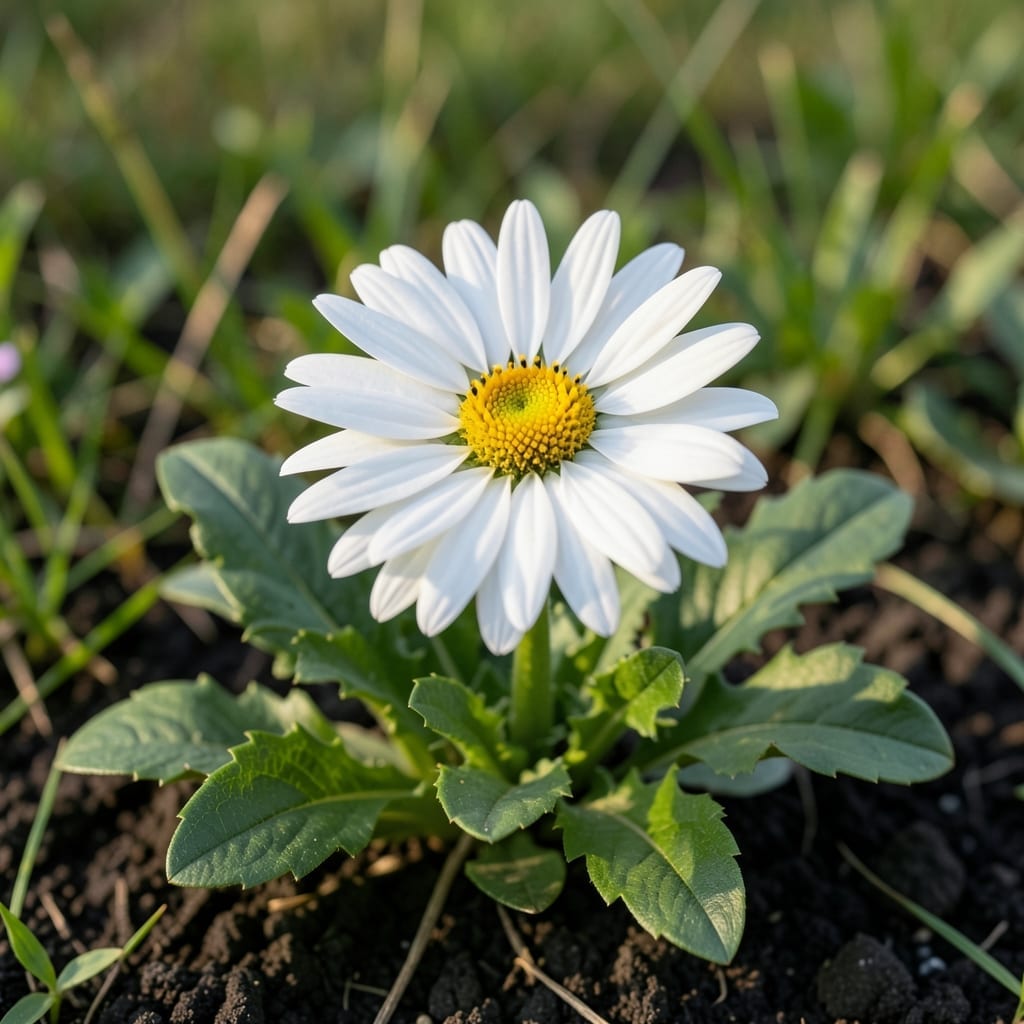
There’s nothing quite like watching 🌼 Daisies brighten up a garden with their classic charm. But to get those vibrant blooms, you need to understand their light needs.
Many gardeners assume all flowers love full sun, but with Daisies, there’s a sweet spot. Getting this right means the difference between lackluster growth and a stunning display.
I’ve seen firsthand how the right sunlight transforms these cheerful flowers. The good news? It’s easier than you might think to create ideal conditions.
Discover the simple secrets to giving your Daisies the light they crave for those picture-perfect blooms all season long.

If you’ve ever wondered do daisies like full sun, the answer is a resounding yes! Most daisy varieties, including the popular Shasta daisies and Oxeye daisies, thrive with 6+ hours of direct sunlight daily. This abundance of light fuels their vibrant blooms and robust growth.
I’ve found that daisies planted in full sun locations tend to produce more flowers and maintain stronger stems. However, in extremely hot climates, a bit of afternoon shade can prevent petal scorch. It’s all about balance!
| Requirement | Specification |
|---|---|
| Ideal Sun Exposure | Full sun (6+ hours daily) |
| Minimum Sun Needs | 4-6 hours for partial varieties |
| Best Window Direction | South-facing for maximum light |
| Shade Tolerance | Low to moderate (varies by type) |
In my garden, I’ve noticed that Shasta daisies perform exceptionally well in full sun borders. Their white petals and yellow centers seem to glow when bathed in sunlight. For best results, plant them in well-draining soil to complement their sun exposure.
If your garden has partial shade areas, don’t despair. Some daisy varieties like African daisies can tolerate 4-6 hours of sun. These are perfect for spots that get morning sun and afternoon shade, especially in hotter zones.
To assess your garden’s light, I recommend using a sunlight calculator app or simply observing how shadows move throughout the day. Remember, even full sun daisies benefit from some protection during heat waves above 90°F.
For container gardening, place your potted daisies where they’ll get at least 6 hours of direct sun. A west-facing balcony often works well, as it provides intense afternoon light without the harshness of midday sun in some climates.
One pro tip I’ve learned: if your daisies aren’t blooming as expected, check their light first. Leggy stems and fewer flowers often signal they’re not getting enough sun. In this case, consider relocating them to a sunnier spot.
Remember that newly planted daisies may need a brief adjustment period. I always water them deeply after planting and provide temporary shade for the first week to reduce transplant shock, then gradually introduce them to full sun.
Finally, don’t forget that soil quality works hand-in-hand with sunlight. Even in perfect sun conditions, daisies won’t thrive in poor, compacted soil. Amend your planting area with compost for best results.
☀️If your daisies look lackluster, they might be sun-deprived. The first sign is stunted growth—plants stay small with sparse foliage. Without enough light, they can’t photosynthesize efficiently.
Another red flag is fewer blooms. Daisies need 6+ hours of sun to produce their iconic flowers. If yours are shy to bloom, they’re likely begging for more light.
⚠️ Sun Starvation Alert
Pale leaves, weak stems, or leaning toward light mean your daisies need more sun. Move them gradually to avoid shock.
Pale or yellowing leaves often indicate insufficient sunlight. Healthy daisies sport vibrant green foliage. Dull or faded leaves suggest they’re not getting their daily light dose.
Watch for long, leggy stems stretching toward the light. This is a classic sign of etiolation, where plants grow tall and weak in search of sunlight. It’s their way of saying, “I need more!”
To fix these issues, relocate your daisies to a sunnier spot. If that’s not possible, prune nearby plants casting shade. Even container daisies can be moved to follow the sun.
Remember, morning sun is gentler than harsh afternoon rays. If your daisies are struggling, ease them into brighter light over a week to prevent stress. With the right exposure, they’ll reward you with abundant blooms 🌼