
Beautiful Plants For Your Interior
Beautiful Plants For Your Interior
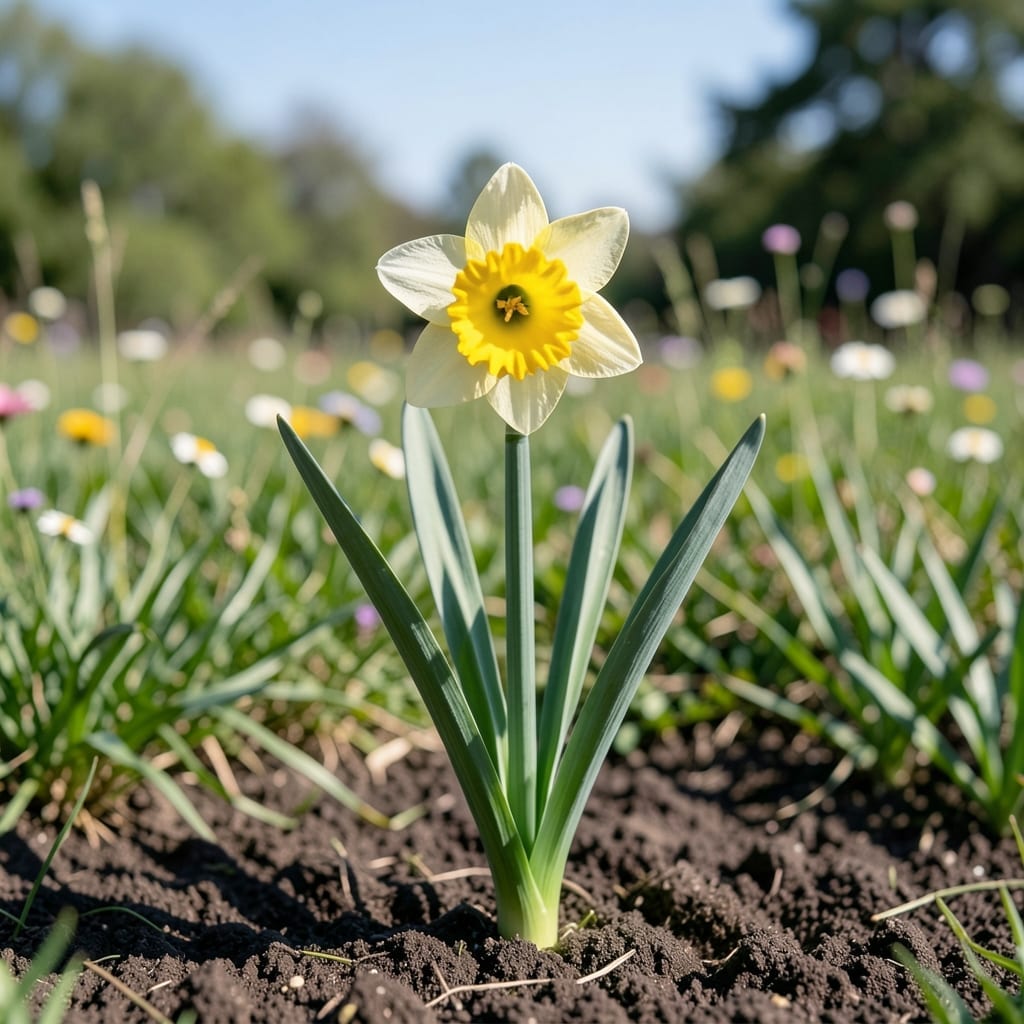
Daffodils are a garden favorite for their vibrant blooms and low maintenance, but many gardeners wonder: do they truly need full sun to thrive? The answer might surprise you.
While the 🌷 Daffodil loves basking in sunlight, it’s more adaptable than you might think. Understanding its light needs can make the difference between lackluster blooms and a spectacular spring display.
Let me share what I’ve learned about balancing sunlight and shade for these cheerful flowers. You’ll discover how to optimize their growth regardless of your garden’s light conditions.

I’ve found that daffodils thrive best with 6+ hours of direct sun daily. This is their sweet spot for producing vibrant, healthy blooms and strong bulb development for next year’s flowers.
In my garden, I’ve noticed that full morning sun with afternoon shade works beautifully, especially in warmer climates. The bulbs store energy from sunlight to fuel next season’s growth, so consistent light is key.
| Requirement | Specification |
|---|---|
| Ideal Sunlight | 6+ hours daily |
| Minimum Sunlight | 4-6 hours |
| Shade Tolerance | Partial shade (afternoon) |
| Best Light Type | Direct sun or bright indirect |
I learned the hard way that deep shade leads to fewer blooms and weaker stems. If your garden has limited sun, prioritize the sunniest spots for daffodils to ensure they get enough light.
For optimal blooming, I recommend planting in south-facing beds where they’ll get the most light. In my experience, even a few hours of extra sun can make a noticeable difference in flower size and quantity.
If you’re in a hot climate, like USDA zones 7-8, afternoon shade can actually protect your daffodils from scorching. I’ve seen this work particularly well with Jonquil daffodils, which seem to handle heat better than other varieties.
Remember that bulb health depends on sunlight too. The more light they get during their growing season, the more energy they’ll store for next year. I always make sure my daffodils get at least their minimum light requirement.
In containers, I’ve found they need even more attention to light. Potted daffodils often require full sun to compensate for the limited root space. I rotate my pots to ensure all sides get equal light exposure.
For those with wooded gardens, try planting under deciduous trees. The daffodils will get full sun in early spring before the leaves emerge, then enjoy dappled shade as the weather warms.
This approach has given me consistent blooms year after year, even in less-than-ideal light conditions. ☀️
I’ve successfully grown daffodils in partial shade and can confirm they’ll still bloom, though not as abundantly as in full sun. These resilient flowers can handle 4-6 hours of sunlight if the conditions are right.
In my experience, morning sun with afternoon shade works particularly well. The cooler morning light gives them energy without the risk of scorching, while the shade protects them during the hottest part of the day.
I’ve noticed that dappled light under trees can work wonderfully. The daffodils get enough light through the branches while being protected from harsh direct sun. This mimics their natural woodland habitat.
For northern climates (USDA zones 3-5), partial shade can actually be beneficial. It prevents the soil from thawing too quickly in late winter, which might trigger premature growth that could be damaged by frost.
If you’re trying this approach, I recommend planting in clusters rather than single bulbs. This creates a more dramatic display and helps compensate for potentially fewer blooms per bulb in shadier conditions.
Remember that bulb quality matters in partial shade. Start with large, healthy bulbs as they’ll have more stored energy to produce blooms even with less sunlight. I always select the plumpest bulbs for my shadier spots.
This method has given me reliable spring color in areas where other plants struggle. 🌿