
Beautiful Plants For Your Interior
Beautiful Plants For Your Interior
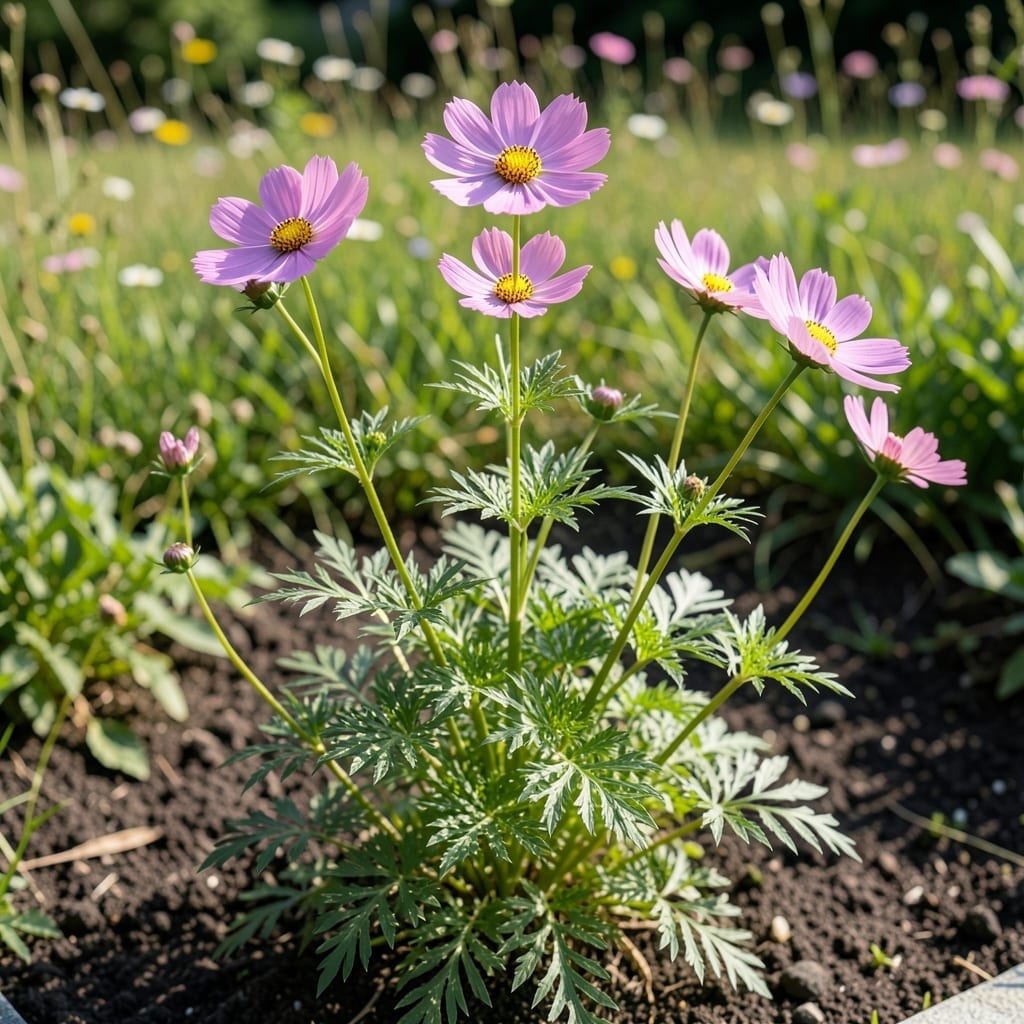
Cosmos are beloved for their vibrant, daisy-like blooms and low-maintenance nature, but their light requirements often spark confusion among gardeners.
Understanding their sun needs is the key to growing healthy, flourishing 🌼 Cosmos that brighten your garden all season long.
These cheerful flowers thrive in specific conditions, and getting the light right can make all the difference in their growth and blooming potential.
Let me walk you through what works best so you can enjoy a stunning display without the guesswork.

When I grow cosmos in my garden, I always prioritize their light requirements. These vibrant flowers are sun-worshippers, thriving best with plenty of direct light throughout the day.
Full sun is ideal for cosmos, meaning they need at least 6-8 hours of direct sunlight daily. This ensures strong stems and abundant blooms that keep your garden colorful from summer to fall.
| Requirement | Specification |
| Ideal Sunlight | 6-8 hours daily |
| Light Type | Direct sunlight |
| Minimum Light | 4-6 hours (partial shade) |
| Best Window | South-facing |
I’ve found that cosmos planted in full sun locations produce the most vibrant blooms. The flowers tend to be larger and more numerous when they receive that direct sunlight for most of the day.
In my experience, morning sun is particularly beneficial as it helps dry the dew from the leaves, reducing the risk of fungal diseases. This is especially important for cosmos, which can be susceptible to powdery mildew in humid conditions.
While cosmos can tolerate partial shade, I notice they tend to grow taller and leggier as they stretch toward the light. This can result in weaker stems that may require staking, which isn’t ideal for their naturally upright growth habit.
For the best results, I recommend planting cosmos in the sunniest spot in your garden. If you’re limited on space, consider using containers that can be moved to follow the sun throughout the day.
The intensity of light also affects bloom color. I’ve observed that cosmos grown in full sun often have more vivid, saturated colors compared to those in shadier spots, which may produce paler blooms.
If you’re growing cosmos from seed, I suggest starting them in a sunny windowsill indoors before transplanting to your garden. This gives them a head start and ensures they’re already acclimated to bright light conditions.
Remember that even in full sun, cosmos appreciate a little afternoon shade in extremely hot climates. This can prevent heat stress and help the flowers last longer during the peak of summer.
With the right light conditions, you’ll be rewarded with a continuous display of cheerful cosmos blooms from early summer until the first frost. ☀️
While cosmos love full sun, some varieties can tolerate partial shade, though with trade-offs. You’ll typically see fewer blooms and weaker stems in shadier spots, but it’s possible to grow them successfully.
I’ve found that dwarf cosmos varieties like ‘Bright Lights’ or ‘Seashells’ handle 4-6 hours of sun better than taller types. They’re more adaptable and still produce colorful displays.
🌱 Key Takeaway
Cosmos prefer full sun but can grow in partial shade with adjusted expectations for bloom quantity and plant height.
If your garden has dappled shade, try planting cosmos where they’ll get morning sun and afternoon shade. This combo often works well in hotter climates where intense afternoon rays can scorch petals.
For best results in shade, ensure well-draining soil and reduced competition from taller plants. Thin out nearby foliage to let in as much light as possible.
Remember that shade-tolerant cosmos may need staking support since their stems tend to be less sturdy without full sun. A simple bamboo stake can keep them upright.
Even in partial shade, cosmos maintain their low-maintenance nature. Just be patient—they might take a bit longer to establish but will reward you with cheerful blooms eventually.
☀️