
Beautiful Plants For Your Interior
Beautiful Plants For Your Interior
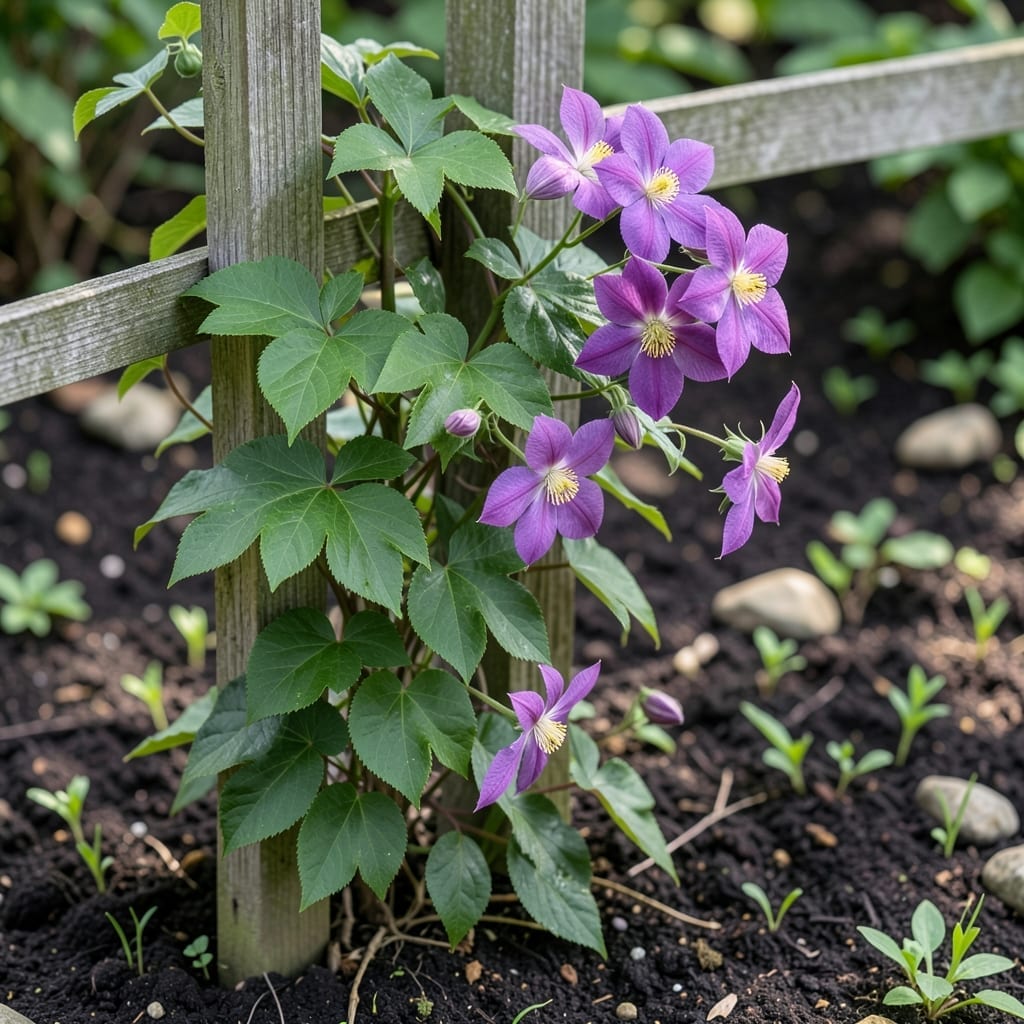
Clematis vines can transform any garden with their stunning 🌸 blooms, but their sunlight needs often spark confusion among gardeners. Getting the light conditions right is the key to vibrant, healthy growth.
While some varieties thrive with 6+ hours of sunlight, others prefer a bit of afternoon shade. The secret lies in understanding your specific Clematis type and climate.
Let me walk you through what works best for these beautiful vines. You’ll discover how to create the perfect environment for your Clematis to flourish.

I often get asked whether clematis vines prefer full sun or need some shade. The answer isn’t one-size-fits-all, as these beautiful climbers have nuanced light requirements that vary by type.
Most clematis varieties thrive with 6+ hours of sunlight daily, but they appreciate afternoon shade in hotter climates. This balance prevents leaf scorch while promoting vibrant blooms.
| Requirement | Specification |
| Ideal Sunlight | 6-8 hours daily |
| Afternoon Shade | Recommended in zones 7+ |
| Morning Sun | Best for blooms |
| Root Shade | Mulch base heavily |
In my experience, Group 1 clematis (like Clematis montana) can handle full sun better than others. These early bloomers often flourish with unfiltered sunlight throughout the day.
However, Group 2 and 3 varieties, which bloom on new wood, often perform best with morning sun and afternoon shade. This protects their delicate flowers from intense heat.
The root zone is particularly sensitive. I always recommend shading the base with low-growing plants or mulch, regardless of the variety. This keeps roots cool while allowing the vines to reach for the sun.
Watch for wilting leaves or brown edges – these are classic signs your clematis might be getting too much direct sun. In such cases, I suggest adding a shade cloth during peak afternoon hours.
For gardens in cooler climates (zones 4-6), full sun is generally ideal. But in hotter regions (zones 8-9), even sun-loving varieties benefit from some afternoon protection. ☀️
Remember that young clematis are more sensitive. I’ve found they establish better with dappled sunlight in their first year, gradually acclimating to more sun as they mature.
Lastly, don’t forget that soil moisture and sun exposure work together. Plants in full sun will need more frequent watering to maintain healthy growth. 🌿
Not all clematis varieties have the same sunlight needs. I’ve found that Group 1 types like Clematis montana and Clematis armandii actually thrive in full sun conditions.
These early bloomers can handle 8+ hours of direct sunlight, especially in cooler climates. Their thick foliage seems to protect them from intense rays better than other varieties. ☀️
| Variety | Light Preference | Bloom Time |
| Clematis montana | Full sun | Early spring |
| Clematis armandii | Full sun | Early spring |
| Clematis viticella | Partial shade | Summer |
| Clematis jackmanii | Partial shade | Summer |
For shadier gardens, I recommend Group 2 and 3 varieties. Clematis viticella and Clematis jackmanii perform beautifully with just 4-6 hours of morning sun.
These types actually produce more abundant blooms when protected from harsh afternoon rays. I’ve seen them struggle in full sun, especially during heat waves.
In my experience, Clematis florida varieties do well in dappled sunlight. They’re perfect for planting near tall trees or on east-facing walls where they get gentle morning light. 🌿
For containers, I suggest Clematis ‘Nelly Moser’. This compact variety adapts well to partial shade and produces stunning pink-and-white flowers even with limited sun.
Remember that microclimates matter. A north-facing wall might create enough shade for sun-sensitive varieties, while a south-facing one could provide the intensity that sun-lovers crave.