
Beautiful Plants For Your Interior
Beautiful Plants For Your Interior
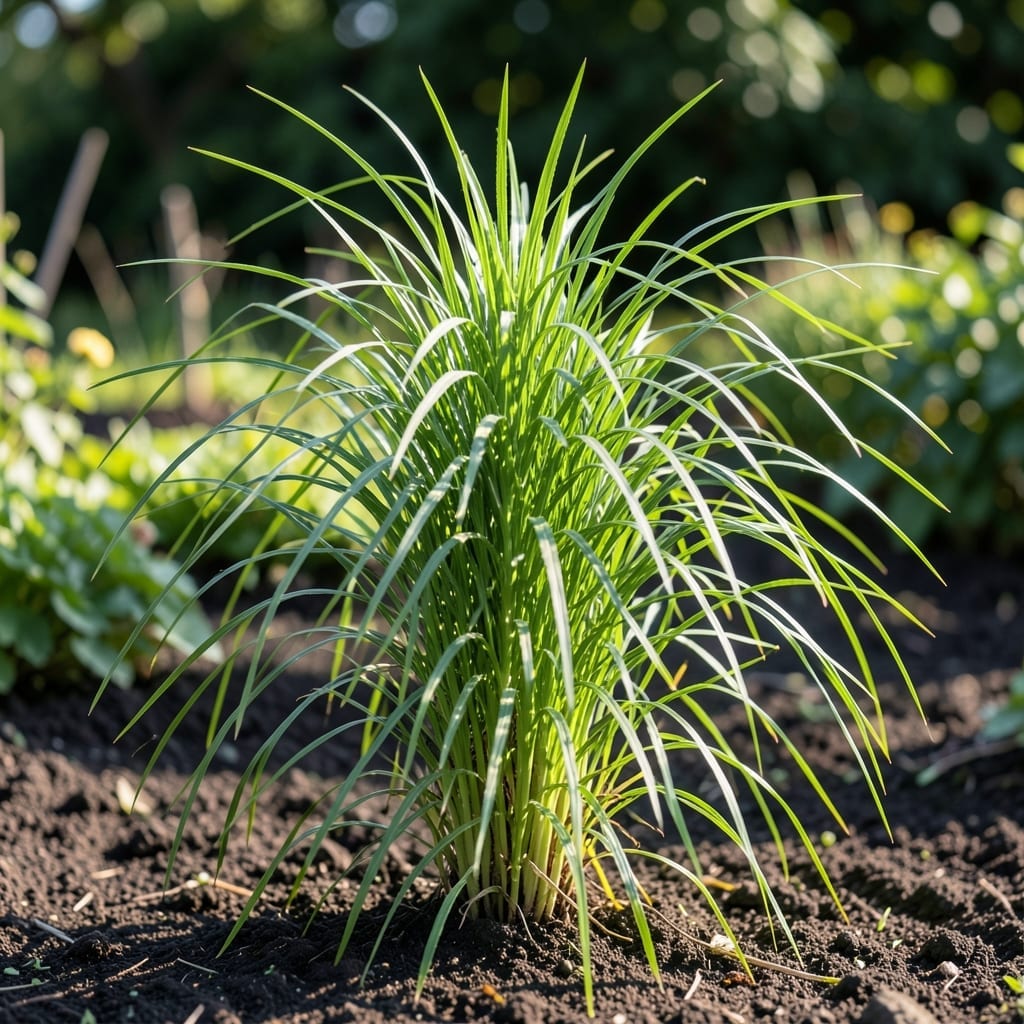
Citronella plants are a gardener’s favorite for their mosquito-repelling qualities, but their sunlight needs often spark confusion. Understanding their light requirements is the key to ensuring lush, healthy growth.
The 🌿 Citronella thrives in specific conditions, and getting the light right can make or break your success. Whether you’re planting in zones 9-11 or just starting out, this guide will clarify everything you need to know.
I’ll walk you through the ideal light exposure, signs your plant isn’t getting enough, and how to adjust for different climates. No more guessing—just clear, actionable advice.
Discover how to give your Citronella the perfect amount of sunlight for maximum fragrance and pest protection. Let’s get started.

If you’re growing citronella plants for their mosquito-repelling benefits, sunlight is non-negotiable. These tropical herbs thrive in full sun conditions, which means they need at least 6 hours of direct sunlight daily to flourish.
In my experience, citronella grass (Cymbopogon nardus) and citronella geraniums (Pelargonium citrosum) both demand bright light. Without it, their essential oil production drops, weakening their pest-deterring power.
| Requirement | Specification |
|---|---|
| Ideal Light | Full sun |
| Daily Sunlight | 6+ hours |
| Light Type | Direct sunlight |
| Best Window | South-facing |
For optimal growth, I recommend placing your citronella plants in the sunniest spot in your garden. A south-facing window works best for indoor plants, ensuring they get maximum light exposure throughout the day.
If you live in a hot climate, don’t worry—citronella can handle intense sun. However, in scorching summers, a little afternoon shade can prevent leaf burn while still meeting their light needs.
Keep in mind that partial shade may work, but it often leads to leggy growth and weaker fragrance. The less sun they get, the less effective they’ll be at repelling mosquitoes.
For container gardening, I’ve found that citronella thrives in pots on sunny patios or balconies. Just ensure the container has good drainage to avoid waterlogging, which can stress the plant.
If you notice your citronella plant looking sparse or pale, it’s likely begging for more light. Move it to a sunnier location and watch for improved vigor within a few weeks.
In cooler climates, full sun is even more critical. Citronella is sensitive to cold, so the extra warmth from the sun helps it thrive. If frost is a concern, consider growing it in pots that can be moved indoors.
Finally, remember that consistent sunlight is key. Citronella plants don’t do well with sudden changes in light exposure, so choose their spot carefully from the start.
With the right light, your citronella will grow tall, fragrant, and effective at keeping pests away 🌿
If your citronella plant looks weak or sparse, it might be starved for sunlight. These sun-loving herbs show clear signs when they’re not getting their 6+ hours of daily light, and catching it early can save your plant.
I’ve seen firsthand how insufficient light transforms a thriving citronella into a leggy, pale shadow of itself. The first clue is often slow growth or stretched stems reaching toward any light source.
Another red flag is fewer essential oils, which means your plant won’t repel mosquitoes as effectively. If you notice less citrus scent when you crush the leaves, it’s time to move your citronella to a sunnier spot.
For indoor citronella, a south-facing window is ideal. If that’s not an option, I recommend supplementing with a grow light for 12-14 hours daily to mimic natural sunlight.
In my garden, I’ve found that citronella grass recovers quickly once moved to full sun. Within 2-3 weeks, you should see new growth and darker green leaves appearing.
Don’t overlook container placement either. Even on a sunny patio, a pot tucked in a corner might get shaded by furniture or walls. Rotate your pots weekly to ensure even light distribution.
Remember, citronella plants are forgiving. Once you adjust their light exposure, they’ll bounce back with vibrant growth and that signature mosquito-repelling scent ☀️