
Beautiful Plants For Your Interior
Beautiful Plants For Your Interior
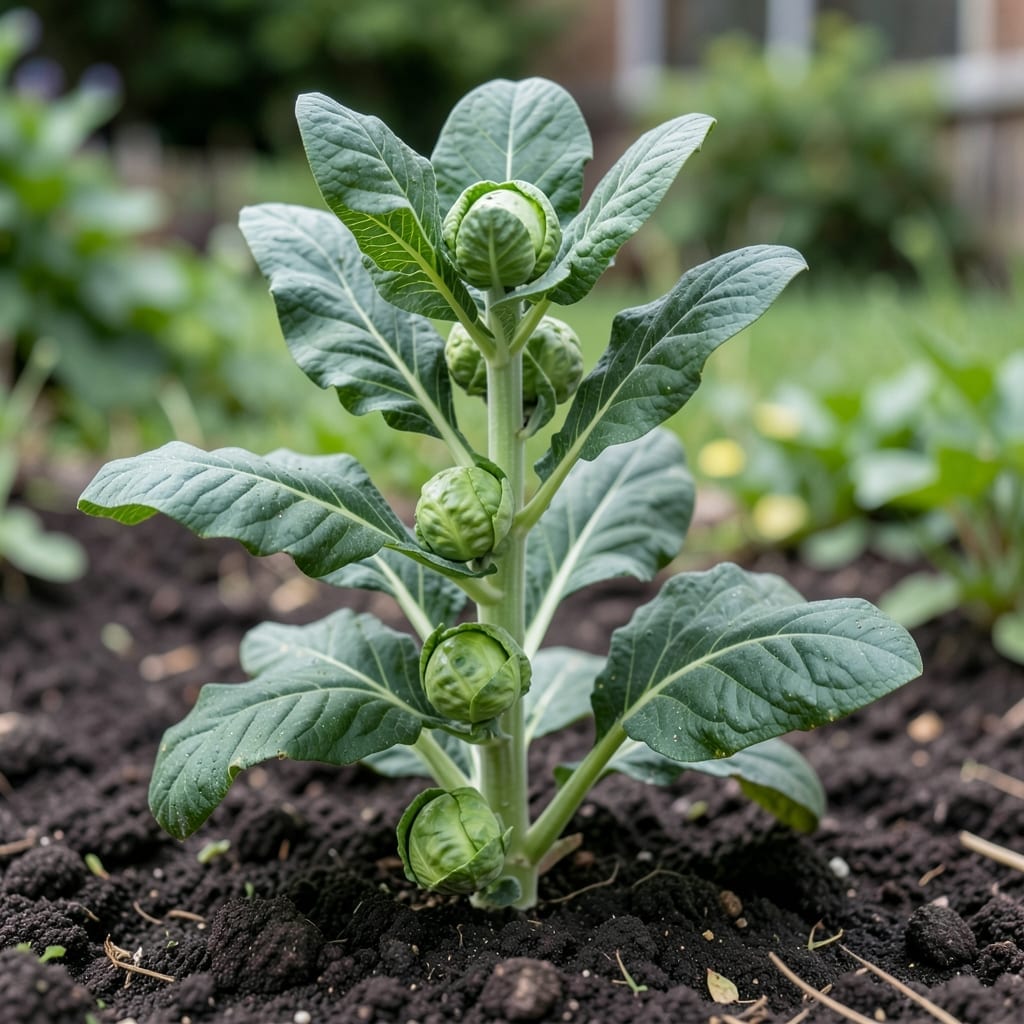
Brussels sprouts 🥬 are a cool-season favorite, but their success heavily depends on the right sunlight exposure. Get the light requirements wrong, and you might end up with leggy plants or poor harvests.
I’ve seen gardeners struggle with sparse sprouts because they didn’t realize how critical proper light is for this vegetable. The difference between a thriving plant and a struggling one often comes down to just a few hours of sun.
Let me show you exactly what these plants need to grow healthy and strong. The good news? It’s simpler than you might think.

If you want healthy Brussels sprouts, sunlight is non-negotiable. These cool-season vegetables need 6-8 hours of direct sun daily to develop tight, flavorful sprouts. Without it, they grow tall and leggy, producing small, loose heads.
I’ve learned that full sun fuels the photosynthesis these plants rely on. Brussels sprouts are heavy feeders, and sunlight helps them convert nutrients into energy for robust growth. Less light means weaker plants and disappointing harvests.
| Requirement | Specification |
|---|---|
| Ideal Sunlight | 6-8 hours daily |
| Light Type | Direct sun |
| Minimum Light | 4-5 hours (partial shade) |
| Best Window | South-facing |
In my garden, I always plant Brussels sprouts where they’ll get uninterrupted morning sun. This ensures they get the most intense light when temperatures are cooler, which is ideal for this crop. Afternoon shade can work, but it’s not a substitute for full sun.
The science is clear: Brussels sprouts are brassicas, and like their cousins (cabbage, broccoli), they thrive in bright conditions. Sunlight directly impacts the size and density of the sprouts, so skimp on light, and you’ll skimp on quality.
If you’re in a shadier spot, don’t give up. Some varieties, like ‘Long Island Improved’, tolerate less light, but they’ll still need at least 4-5 hours to produce a decent crop. Just expect smaller yields.
I’ve also noticed that consistent light matters more than occasional bursts. A few hours here and there won’t cut it. Your plants need daily exposure to develop properly. Think of sunlight as their daily multivitamin.
Another tip: space your plants about 18-24 inches apart. Crowding can create shade, which defeats the purpose of planting in full sun. Give them room to soak up those rays.
And don’t forget soil quality. Even with perfect light, poor soil will limit growth. Brussels sprouts prefer fertile, well-draining soil with a pH of 6.0-7.5. Pair great light with great soil, and you’re on your way to a bumper crop.
Finally, watch for pests like aphids, which love to target stressed plants. Full sun helps keep plants strong and resistant, but a little neem oil spray can help if pests appear.
With the right light and care, your Brussels sprouts will reward you with a long harvest season. Start them early, give them sun, and enjoy the fruits of your labor ☀️
While Brussels sprouts prefer full sun, they can tolerate partial shade if that’s your only option. The key is meeting their minimum light needs of 4-5 hours of direct sunlight daily.
I’ve grown them in spots with dappled afternoon shade, and while the plants were smaller, they still produced a decent harvest. The trade-off is fewer, looser sprouts compared to those basking in full sun.
In my experience, soil quality becomes even more critical in shadier spots. I amend the bed with plenty of compost before planting to give them a nutrient boost. This helps offset the reduced photosynthesis from less light.
Another trick I use is reflective mulch. A layer of white plastic or straw mulch can bounce light back onto the plants, giving them a little extra exposure. It’s a simple hack that can make a noticeable difference.
If you’re container gardening, move pots throughout the day to follow the sun. Even an extra hour or two can improve your harvest. Just be careful not to shock the plants with sudden light changes.
Remember, Brussels sprouts are cool-season crops. In hotter climates, a bit of afternoon shade can actually be beneficial, preventing heat stress while still providing enough light for growth ☀️