
Beautiful Plants For Your Interior
Beautiful Plants For Your Interior
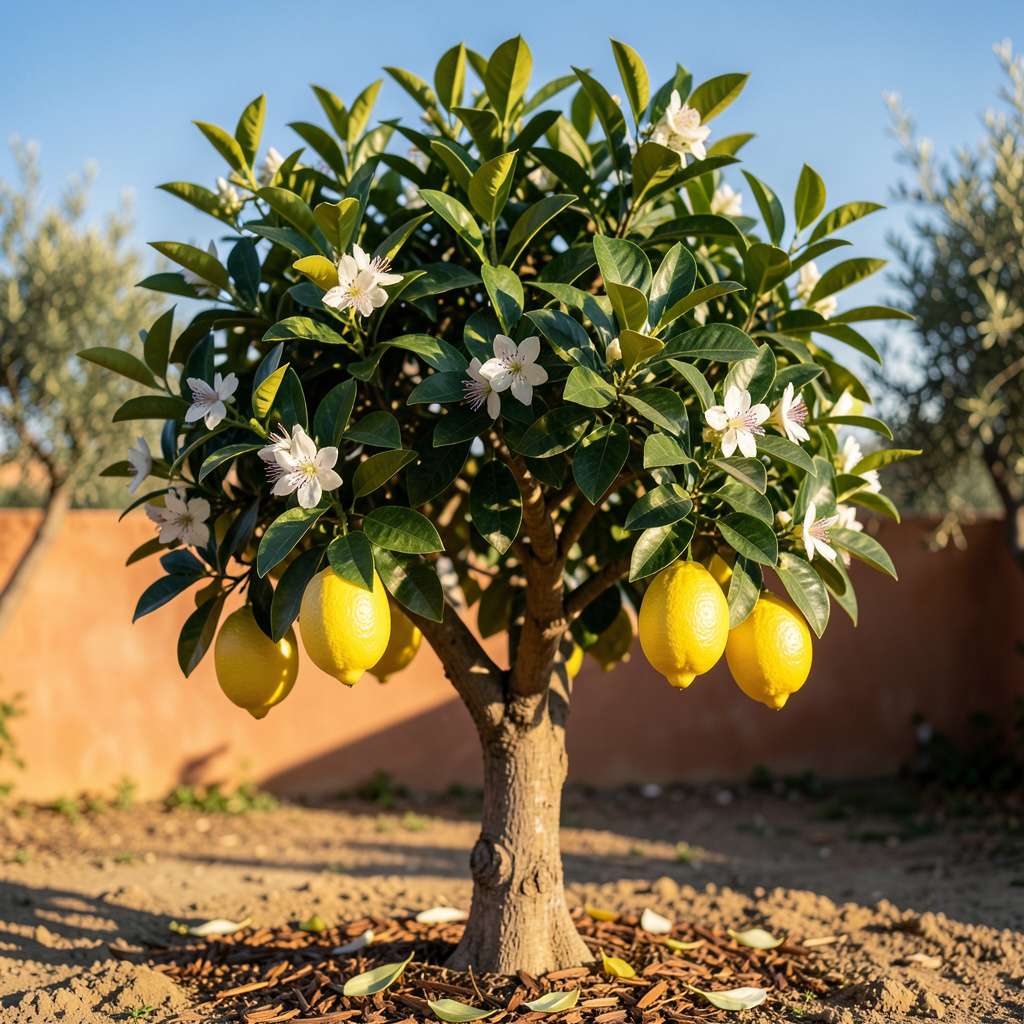
Most birds avoid lemons due to their strong acidity and bitter taste, but some species may eat lemon seeds or peels in rare cases. Generally, lemons are not a common food source for birds.
It’s fascinating how taste plays a crucial role in what birds choose to eat. 🍋 The acidity and bitterness of lemons can deter many species, as their diets typically favor sweeter or more palatable fruits. However, certain birds, particularly those that can tolerate higher acidity levels, might occasionally nibble on parts of the lemon, like seeds or peels, highlighting the diversity in avian dietary habits.
Understanding these preferences can help gardeners protect their lemon trees while appreciating the unique roles different bird species play in the ecosystem. 🌱 By employing specific strategies to deter unwanted visitors, I can keep my citrus fruits safe while still enjoying the beauty of my garden.
💡 In This Article
The aversion many birds have to lemons can be attributed to their strong acidity and bitter flavor compounds. Lemons contain citric acid, which can be harsh on their digestive systems. In fact, the average pH level of lemon juice is around 2, making it one of the most acidic fruits available. 🔥
Birds, unlike humans, have different taste receptors and generally prefer sweeter fruits, which provide more energy. For example, species such as finches and sparrows typically choose fruits like berries or apples that are lower in acidity and higher in sugar content. Their digestive systems are optimized for these sweeter options, making lemons an unappealing choice.
🍏
Interestingly, some birds, like certain parrot species, may consume lemon seeds or peels. These birds have evolved to handle higher acidity levels thanks to their varied diets in the wild. This adaptation allows them to take advantage of a broader range of food sources, including citrus fruits. 🌿
In the context of gardening, it’s essential to understand these preferences. Knowing that most birds will avoid lemons can help gardeners make informed decisions about protecting their crops while still enjoying the natural ecosystem. Using strategies like netting can prevent access to lemon trees without harming the birds. 🕊️
Additionally, it’s worth noting that taste preferences in birds can vary widely. Some species may show curiosity towards unfamiliar fruits, but that doesn’t necessarily mean they’ll consume them. Observing bird behavior around different fruit types can provide valuable insights into their dietary habits and preferences. 🍃
In conclusion, while lemons are generally not favored by most birds due to their acidity and bitterness, a few species may occasionally indulge in parts of the fruit. Understanding these dynamics not only helps in gardening practices but also enriches our appreciation for avian diversity. 🌟
