
Beautiful Plants For Your Interior
Beautiful Plants For Your Interior
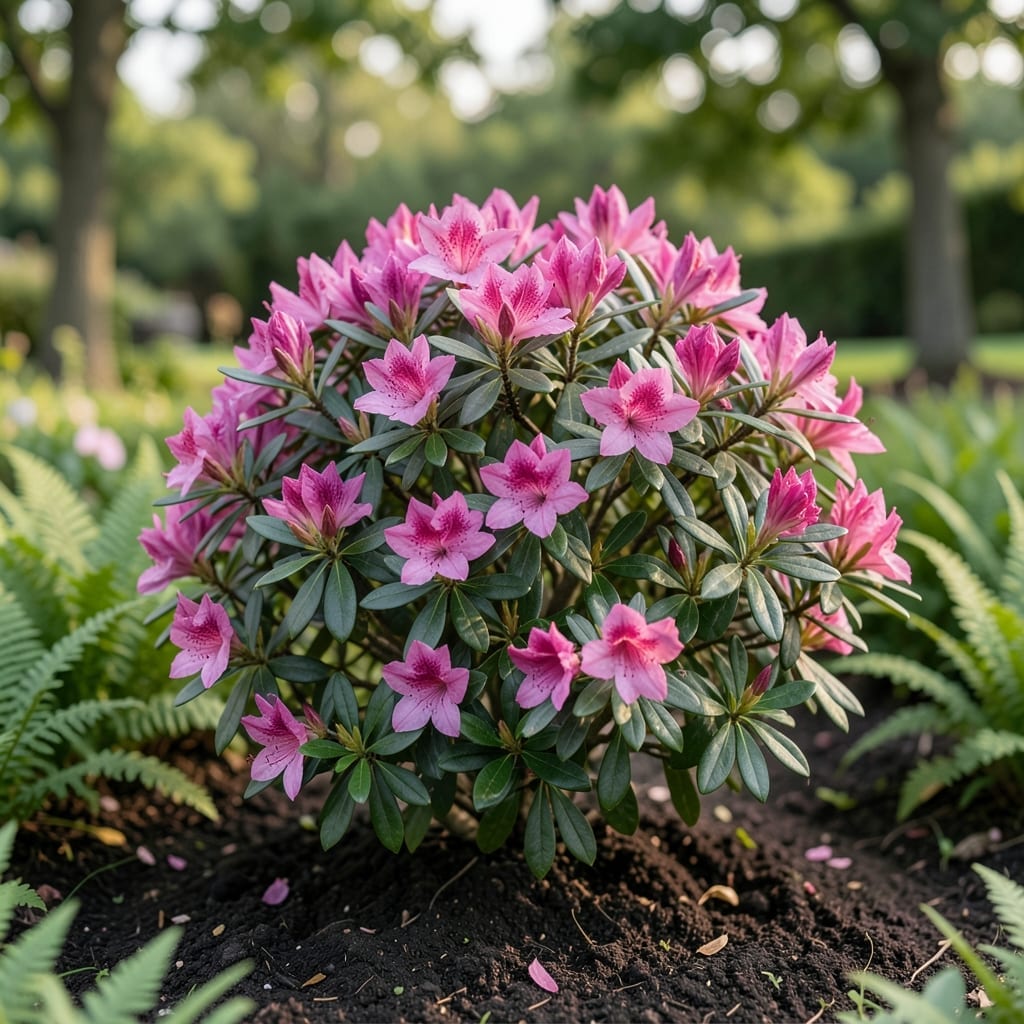
Azaleas dazzle with their vibrant blooms, but their light preferences can make or break their performance. Get the sunlight balance wrong, and you might end up with leggy 🌸 Azalea or scorched leaves instead of a lush, flowering shrub.
I’ve learned that these beautiful plants thrive when they get the right amount of light. Too much sun can damage their delicate petals, while too little can stunt their growth.
Discover how to create the best conditions for your azaleas to flourish with the perfect mix of sun and shade.
 Best Window Placement
Azaleas are partial shade lovers at heart, but their exact needs depend on the variety. I’ve found that evergreen azaleas handle more sun than their deciduous counterparts, which prefer deeper shade to protect their delicate foliage.
Most azaleas thrive with 4-6 hours of sun, ideally in the morning when the light is gentler. The afternoon shade helps prevent leaf scorch and keeps their vibrant blooms looking fresh.
| cell” style=”background-color:#6fd544;color:#ffffff;” data-responsive-label=””>Ideal Light Conditions |
| cell” data-responsive-label=”Ideal Light Conditions”>Morning sun, afternoon shade |
| cell” data-responsive-label=”Ideal Light Conditions”>Dappled shade, no direct afternoon sun |
| cell” data-responsive-label=”Ideal Light Conditions”>Partial shade, 4-5 hours of sun |
| cell” data-responsive-label=”Ideal Light Conditions”>Filtered light, under tall trees |
In hotter climates, even sun-tolerant azaleas benefit from protection during peak heat. I always recommend planting them where they get east-facing sun and avoid the harsh western exposure that can stress the plants.
Northern gardeners can push the limits slightly, as the sun is less intense. Here, azaleas might tolerate up to 6-7 hours of sun if the soil stays consistently moist and well-mulched to retain coolness.
For container-grown azaleas, light control is easier. I move my potted azaleas to follow the ideal light pattern—morning sun on the patio and afternoon shade under a tree or porch. This flexibility helps me adjust as seasons change.
The key is observing your plants. If leaves start yellowing or browning at the edges, it’s often a sign of too much sun. On the flip side, sparse blooming or leggy growth usually means they need more light.
Soil type also plays a role in light tolerance. Azaleas in well-draining, acidic soil handle more sun than those in heavy, clay-based soil that retains too much heat around the roots.
Remember, even shade-loving azaleas need some light to produce abundant blooms. A spot with bright, indirect light for most of the day can be just as effective as the classic morning sun/afternoon shade combination.
In my experience, the best approach is to start with the recommended light conditions for your specific azalea variety and then adjust based on how your plants respond to your garden’s unique microclimate.
Azaleas are fussy about light, and they’ll show it if conditions aren’t right. I’ve learned to watch for subtle changes in their appearance that signal whether they’re getting too much or too little sun.
Leaf scorch is the most obvious sign of excessive sun exposure. Brown, crispy edges on leaves mean your azalea is begging for shade, especially during hot afternoons.
On the flip side, sparse blooming or leggy growth often indicates your azalea isn’t getting enough light. These plants need bright conditions to produce their signature vibrant flowers.
If your azalea’s leaves turn pale or yellow, it might be struggling with insufficient sunlight. This is especially common in deep shade where the plant can’t photosynthesize effectively.
Another telltale sign is uneven growth. Azaleas stretching toward a light source develop lopsided shapes, which means they need better light distribution or a brighter location.
I always recommend checking your azalea’s light conditions seasonally. As the sun’s angle changes, a spot that was perfect in spring might become too shady or too sunny by summer’s peak.