
Beautiful Plants For Your Interior
Beautiful Plants For Your Interior
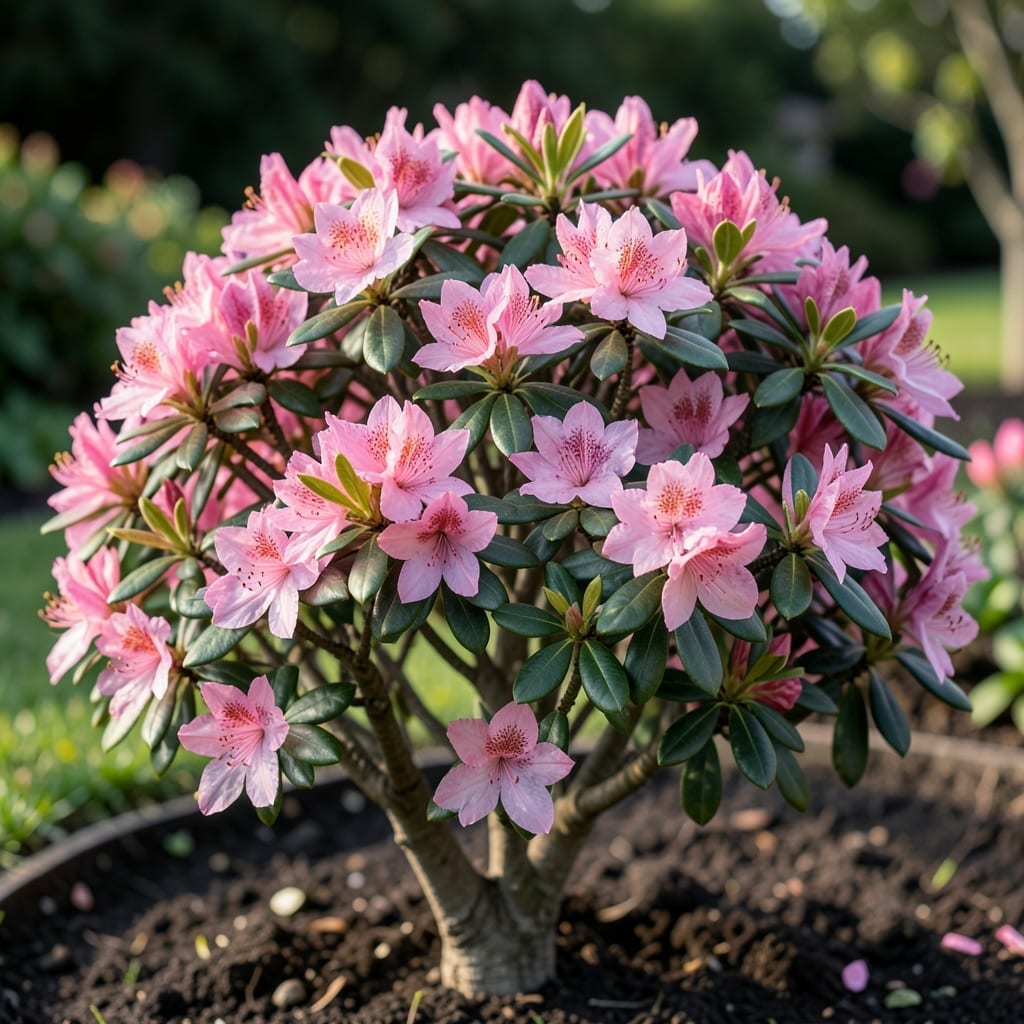
I’ve seen too many gardeners struggle with their 🌸 Azalea shrubs, all because of a simple misunderstanding about sunlight. These stunning plants have specific needs that can make or break their growth.
Getting the light conditions right is the key to vibrant blooms and healthy foliage. It’s not about full sun or deep shade—it’s about finding that perfect balance.
Let me share what I’ve learned about giving Azaleas exactly what they need to thrive in your garden. You’ll be surprised how much difference the right exposure makes.

I often get asked if azaleas like full sun. The short answer is no—they prefer partial shade to thrive. These plants love morning sunlight but need protection from harsh afternoon rays.
In my experience, 4-6 hours of sun is ideal, especially in cooler climates. Anything more can scorch their leaves, while too little light reduces blooming. It’s all about balance for these beautiful shrubs.
| Requirement | Specification |
|---|---|
| Ideal Sunlight | 4-6 hours daily |
| Best Time | Morning sun |
| Afternoon Needs | Dappled shade |
| Soil Type | Acidic, well-draining |
| Climate Adjustment | More shade in heat |
For gardeners in hotter zones, I recommend increasing shade as temperatures rise. Azaleas can handle more sun in cooler areas, but their leaves will show stress in intense heat.
I’ve noticed dappled sunlight under trees works wonders. It mimics their natural forest habitat. Try planting near tall oaks or pine trees for perfect filtered light.
The east side of your home is often ideal. It gets gentle morning sun and stays cooler in the afternoon. This placement prevents leaf scorch while promoting blooms.
If you must plant in sunnier spots, choose sun-tolerant varieties like ‘Sunshine Ligustrum‘ hybrids. Even these need some afternoon relief during peak summer months.
Remember, newly planted azaleas need extra protection. I always use shade cloth for the first month to help them establish without sun stress.
Watch for yellowing leaves or brown edges—these are classic signs of too much sun. If you see these, it’s time to add more shade or move your plants.
Finally, pair good light with proper watering. Azaleas in partial shade need consistent moisture but hate soggy roots. Mulch helps retain moisture while keeping roots cool.
🌸I’ve seen azaleas suffer when their light needs aren’t met. Leaf scorch is a common sign of too much sun, appearing as dry, brown edges on leaves. This happens when afternoon heat becomes too intense.
Wilting leaves or stunted growth can signal insufficient light. Without enough sun, azaleas produce fewer blooms and grow leggy stems as they stretch for light.
Warning: Sun Stress Ahead
If your azaleas show yellowing leaves or brown spots, they’re likely getting too much direct sun. Move them to partial shade immediately to prevent permanent damage.
For poor blooming, check your light conditions first. Azaleas need at least 4 hours of sun to produce abundant flowers. Without it, you’ll see sparse or no blooms at all.
I always look for leaf color changes. Pale green or yellow leaves often mean too little light. Deep green with brown tips usually indicates too much sun exposure.
In my garden, I’ve found that morning sun with afternoon shade prevents most issues. If you notice problems, try moving potted azaleas or adding shade cloth to existing plants.
Remember, seasonal changes affect light too. What works in spring might be too intense in summer. I adjust my shade solutions as the sun’s angle changes throughout the year.
🌸