
Beautiful Plants For Your Interior
Beautiful Plants For Your Interior
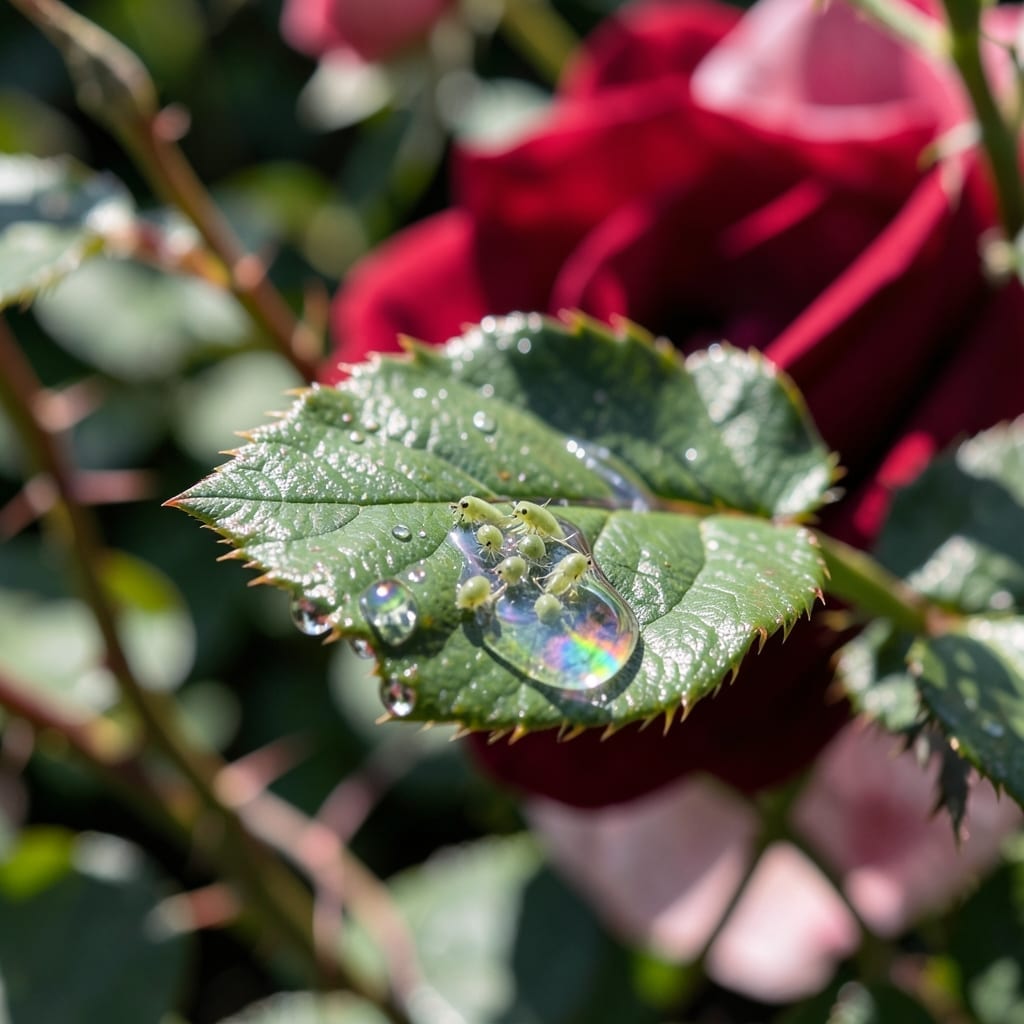
I spotted aphids on my roses last spring and panicked. Turns out, a simple dish soap spray saved the day without harsh chemicals. This method works fast and keeps blooms thriving.
Mixing just a few household items creates a solution that targets aphids while sparing beneficial insects. I was amazed at how quickly it knocked back the infestation without damaging the plants.
Your roses will thank you with healthier leaves and more vibrant flowers. The best part? It costs pennies and uses what you already have in your kitchen.
Works for all rose varieties and won’t harm the soil. Here’s how to make it right the first time.
Aphids are tiny, soft-bodied insects that flock to roses for three main reasons: easy access to nutrients, ideal environmental conditions, and lack of natural predators. Understanding these causes helps you tackle the root of the problem—often before reaching for dish soap.
Roses are packed with sugary sap, a favorite food source for aphids. These pests pierce the plant’s tender new growth with their needle-like mouthparts to suck out the nutrient-rich fluids. Young leaves, buds, and soft stems are especially vulnerable because they contain higher concentrations of amino acids and carbohydrates. This is why aphid infestations often spike during spring and early summer, when roses are actively growing.
Aphids thrive in mild temperatures (60–80°F) and moderate humidity, which are common in many rose-growing regions. Warm, dry weather speeds up their reproduction cycle—some species can produce multiple generations in a single week. Overwatering or poor air circulation around roses can also create the damp, sheltered spots aphids love to hide and multiply.
In a balanced ecosystem, ladybugs, lacewings, and parasitic wasps keep aphid populations in check. However, pesticide use (even some organic ones) can wipe out these beneficial insects, leaving aphids unchecked. Monoculture gardens—where roses grow in isolation without diverse plant companions—also lack the natural biodiversity that supports predator-prey relationships. Without these controls, aphids proliferate rapidly.
Mix 1 tablespoon of mild dish soap (like Castile or Dawn) with 1 quart of water in a spray bottle. Shake gently to avoid suds. Spray directly on aphids, focusing on the undersides of leaves where they hide. Reapply every 2–3 days until they’re gone. Pro tip 💡: Test on a small leaf first to check for sensitivity.
For stubborn clusters, use 2 tablespoons of dish soap per quart of water. Add 1 teaspoon of neem oil (optional) for extra power. Spray in the early morning or late evening to avoid sunburn on leaves. Rinse leaves with water after 1–2 hours to prevent residue buildup.
For mild infestations, reapply every 2–3 days until aphids disappear. Heavy infestations may need daily treatment for the first week. Always monitor leaves for sensitivity.
Stick to mild, unscented soaps like Castile or Dawn. Avoid antibacterial or degreasing formulas, which can harm rose foliage. A gentle soap protects both plant and beneficial insects.
When diluted properly (1 tablespoon per quart), it’s safe for most roses. Test on a small area first. Rinse leaves after 1–2 hours to prevent buildup.
They’re attracted to new growth and weak plants. Improve airflow, avoid over-fertilizing, and introduce beneficial insects like ladybugs to break the cycle.