
Beautiful Plants For Your Interior
Beautiful Plants For Your Interior
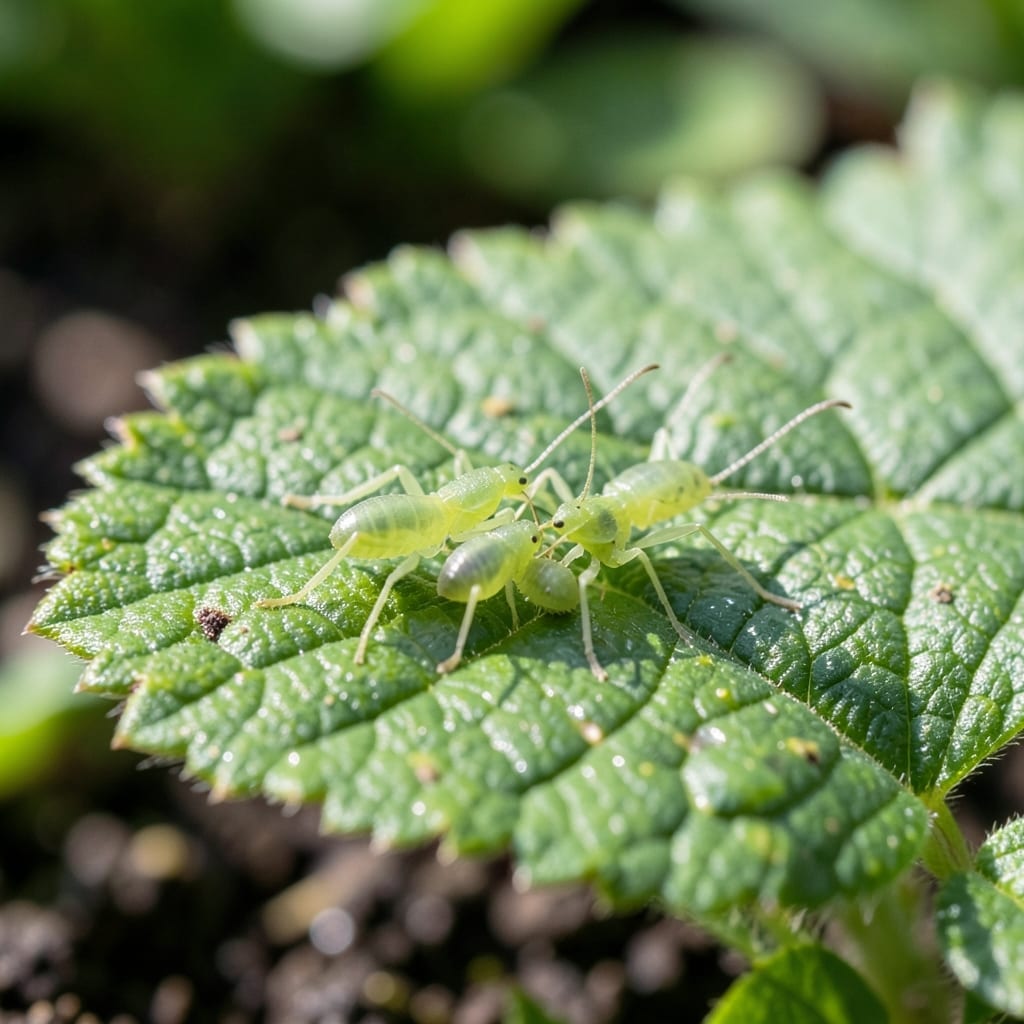
I first noticed the tiny green invaders on my rose buds last spring. They multiply overnight, sucking the life out of new growth and leaving sticky residue everywhere.
Dish soap breaks down their protective coating without harsh chemicals. It’s a 5-minute solution that saves plants when aphids strike. I keep a spray bottle ready in my shed.
The mix is simple: 1 tablespoon of mild soap per 1 quart of water. Spray directly on the bugs, not the soil, and watch them disappear within 24 hours.
This works on vegetables, flowers, and houseplants alike. Just avoid soaps with degreasers or bleach, and always test on a small area first.
Aphids thrive in gardens due to a mix of environmental and biological factors. Understanding these causes helps you target the problem effectively.
Excess nitrogen in soil promotes lush, soft plant growth—aphids’ favorite food. Over-fertilizing with high-nitrogen products (e.g., synthetic lawn fertilizers) creates a buffet of tender leaves, attracting aphid colonies. Action: Balance fertilizers with phosphorus and potassium, and opt for slow-release organic options.
Aphids multiply rapidly when their natural enemies—like ladybugs, lacewings, or parasitic wasps—are absent. Pesticides often kill these beneficial insects, disrupting the ecosystem. Action: Plant pollinator-friendly flowers (e.g., marigolds, yarrow) and avoid broad-spectrum insecticides.
Plants under stress (drought or waterlogging) emit signals that draw aphids. Overwatering weakens roots, while drought stresses leaves, making them more susceptible. Action: Water deeply but infrequently, and ensure proper drainage.
Aphids reproduce fastest in temperatures between 60–80°F (15–27°C) with low humidity. These conditions speed up their life cycle, leading to explosive populations. Action: Use shade cloth or mist plants during heatwaves to deter them.
When aphids invade your garden, a simple dish soap solution can be your go-to fix. Here’s how to tackle the problem head-on, with practical steps for each cause.
Mix 1 tablespoon of mild dish soap with 1 quart of water in a spray bottle. Shake well and apply directly to the aphids, focusing on the undersides of leaves where they cluster. The soap disrupts their cell membranes, causing them to dehydrate. Reapply every 2–3 days until the infestation clears.
Prevention tip: 💡 Inspect plants weekly for early signs of aphids to catch them before they multiply.
Aphids target stressed or weak plants. Strengthen your garden by ensuring proper watering, fertilization, and sunlight. Use a balanced, organic fertilizer to promote vigorous growth, making plants less susceptible to pests.
Prevention tip: 🌡️ Rotate crops annually to prevent soil depletion and reduce pest buildup.
Aphids and ants often work together—ants protect aphids in exchange for their honeydew. To break this cycle, apply a sticky barrier (like tree tape) around plant stems to block ants. Combine this with your soap spray to target the aphids directly.
Prevention tip: ✨ Keep your garden clean by removing debris and weeds where ants and aphids thrive.
Harsh pesticides can kill beneficial insects and lead to resistant aphid populations. Stick to natural remedies like dish soap, neem oil, or introducing ladybugs (natural aphid predators). These methods are safer for your garden’s ecosystem.
Prevention tip: 🎯 Encourage biodiversity by planting companion flowers like marigolds or nasturtiums to repel aphids naturally.
Reapply every 2-3 days until the infestation clears. This frequency disrupts their life cycle without harming plants when used as directed.
Yes, it’s safe for vegetables, flowers, and houseplants. Always test on a small area first and avoid using on very young or delicate plants.
Never use soaps with degreasers or bleach. Stick to mild dish soaps like Dawn or Castile. Harsh chemicals can damage plants and won’t effectively target aphids.
No, apply in the early morning or evening. Direct sun can cause soap to dry too quickly, potentially burning leaves. Cool, overcast days are ideal.