
Beautiful Plants For Your Interior
Beautiful Plants For Your Interior
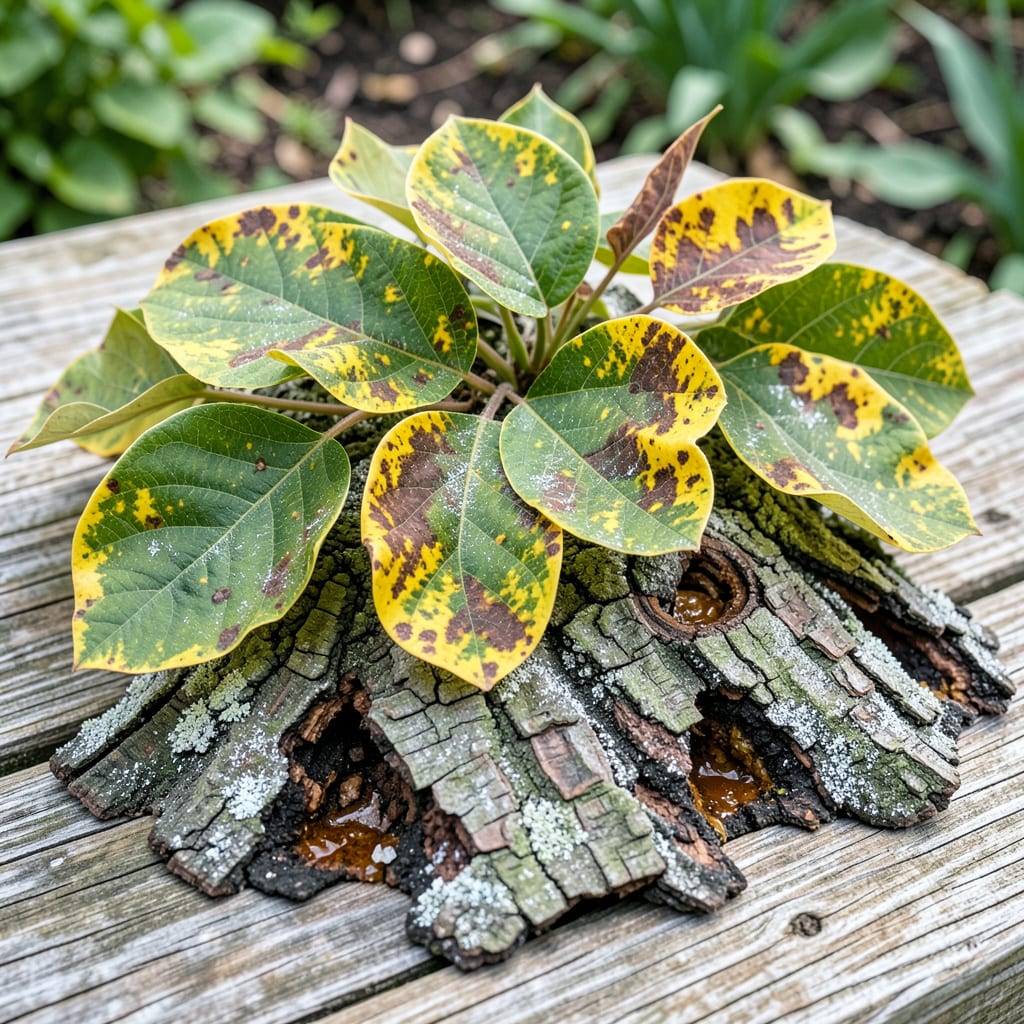
Spotted brown leaves on your tulip poplar? Don’t panic—yet. 🌳 I’ve seen these trees bounce back from issues that looked hopeless at first glance.
The key is catching problems early, before they spread. Yellowing between veins, black spots, or cankers on the bark are your first clues. Most issues stem from fungal infections or poor growing conditions, but they’re manageable with the right approach.
With a little vigilance and simple treatments, you can keep your tree thriving for decades. Prevention starts with proper spacing and airflow, which most gardeners overlook until it’s too late.
Here’s what to watch for and how to stop problems before they take hold.
Tulip poplar trees (Liriodendron tulipifera) are hardy, but they’re not immune to disease. Several factors contribute to their susceptibility, often tied to environmental stress or biological invaders. Here’s a breakdown of the primary causes:
Extreme weather conditions weaken tulip poplars, making them more vulnerable. Drought stress reduces the tree’s ability to fend off pathogens, while waterlogged soil creates ideal conditions for root rot. Poor soil drainage or compacted soil can also restrict root growth, limiting nutrient uptake and increasing disease risk.
Fungi are the most common culprits behind tulip poplar diseases. Verticillium wilt and Phytophthora root rot thrive in moist, poorly drained soils, attacking the vascular system and roots, respectively. Powdery mildew and leaf spot diseases often emerge in humid conditions, spreading rapidly if left unchecked.
Insects like tulip poplar aphids and scale insects weaken trees by sucking sap, leaving them prone to secondary infections. Boring insects, such as the tulip poplar weevil, tunnel into the bark, creating entry points for fungi and bacteria. These pests often target stressed trees, exacerbating existing health issues.
Improper planting, pruning, or maintenance can invite disease. Over-mulching traps moisture against the trunk, promoting fungal growth, while incorrect pruning cuts can leave wounds open to infection. Planting tulip poplars in shaded, crowded areas limits airflow, increasing humidity and disease pressure.
Tackling diseases in tulip poplar trees starts with quick action and smart prevention. Here’s how to address common issues and keep your trees thriving. 🌳
If you notice brown or black spots on leaves, act fast. Remove and destroy infected leaves to stop the spread. Apply a fungicide labeled for leaf spot diseases,
Prevention Tip: 💡 Water at the base of the tree to keep foliage dry.
Cankers appear as sunken, dead areas on the bark. Prune out infected branches at least 6 inches below the canker and sterilize your tools with rubbing alcohol between cuts. Severe cases may require removing the tree to protect others. To prevent cankers, avoid wounding the tree (e.g., with lawnmowers) and keep it healthy with proper watering and mulching.
This white, powdery coating on leaves is unsightly but rarely fatal. Treat with neem oil or a baking soda solution (1 tablespoon baking soda + 1 gallon water + a drop of dish soap). Apply in the evening to avoid leaf burn. Prevent it by spacing trees properly and choosing resistant varieties if planting new ones.
Pro Tip: ✨ Remove fallen leaves in autumn to reduce overwintering spores.
Pests weaken trees, making them vulnerable to diseases. Blast aphids off with water or use insecticidal soap. For scale, apply horticultural oil in dormant seasons. Encourage beneficial insects like ladybugs by planting companion flowers. Regularly inspect leaves and bark for early signs of infestation.
With these steps, your tulip poplar can bounce back and stay resilient against future threats!
Look for yellowing between leaf veins or black/brown spots. Sunken, dead patches on bark signal cankers. Early detection is key to stopping the spread.
Yes! Waterlogged soil creates perfect conditions for root rot. Always check drainage and avoid letting water pool around the base.
Improve airflow by proper spacing. Water at the base to keep leaves dry. Remove fallen leaves in autumn to reduce spores.
Prune immediately when you spot cankers, cutting 6 inches below the affected area. Sterilize tools between cuts to prevent spreading.
