
Beautiful Plants For Your Interior
Beautiful Plants For Your Interior
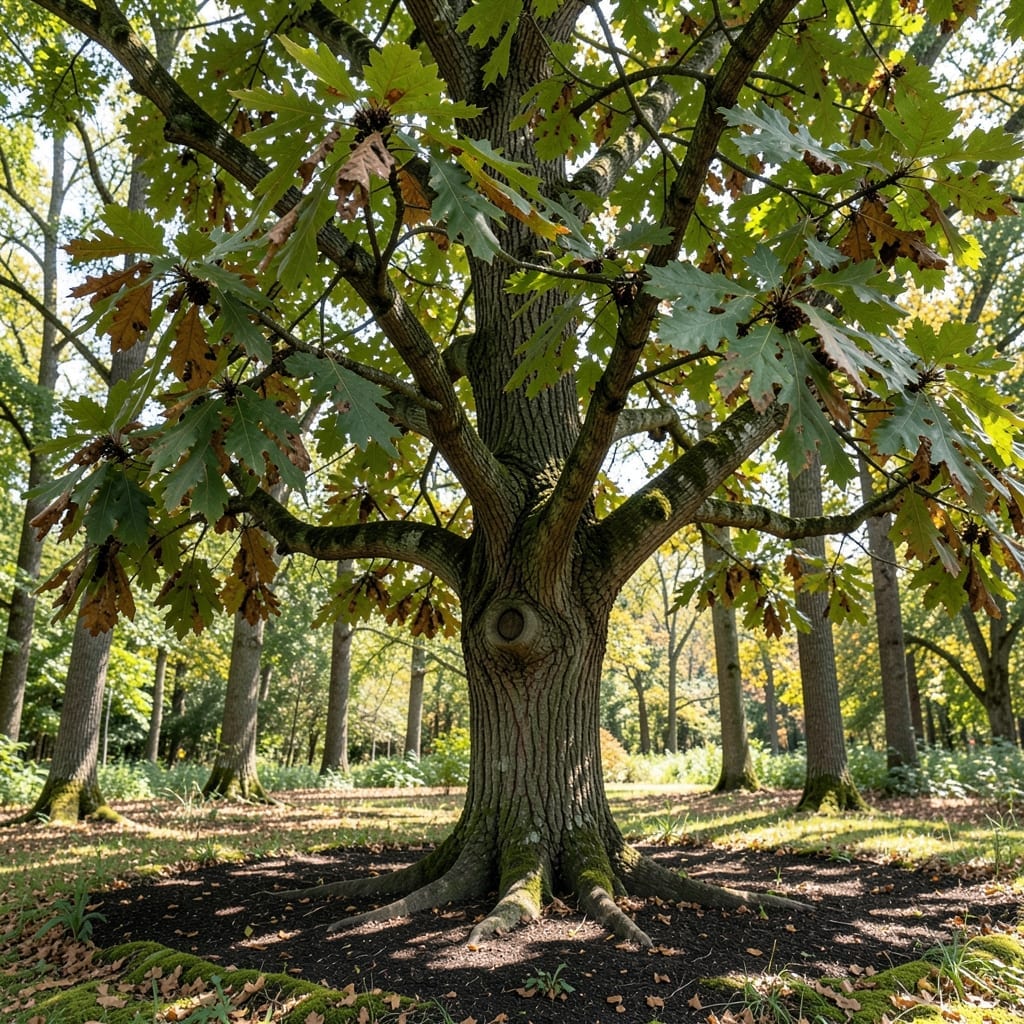
That first brown spot on a chestnut leaf hits different. I lost three trees before learning to catch the warning signs early—wilting branches, cankers on the bark, leaves dropping too soon.
Most chestnut diseases spread through poor air circulation or infected tools. The good news? Organic treatments like copper sprays and proper pruning can stop the damage. It’s about working with nature, not against it.
With the right approach, you can save even mature trees. I’ve revived trees that looked beyond hope by focusing on soil health and resistant varieties.
Early action makes all the difference. Don’t wait for the problem to spread.
The decline of chestnut trees is primarily driven by a few key factors, each with distinct biological mechanisms. Understanding these causes is the first step toward effective intervention.
The most devastating cause is Cryphonectria parasitica, the fungus responsible for chestnut blight. This pathogen enters through wounds in the bark, spreading rapidly through the tree’s vascular system. It secretes oxalic acid, which lowers the pH of the tree’s tissues, creating an ideal environment for fungal growth while weakening the tree’s defenses. Infected trees develop cankers—sunken, dead areas on the bark—that girdle and kill branches, eventually leading to dieback.
Boring insects like the chestnut bark beetle exacerbate the problem by creating entry points for fungi and bacteria. Their tunnels disrupt nutrient flow, stressing the tree and making it more susceptible to infections. Secondary pathogens, such as Phytophthora root rot, often invade already weakened trees, compounding the damage.
Drought, soil compaction, and nutrient deficiencies weaken chestnut trees, reducing their ability to resist pathogens. Poor drainage, for instance, fosters Phytophthora growth, while compacted soil limits root development. Additionally, extreme temperature fluctuations can stress trees, making them more vulnerable to blight and other diseases.
Addressing these root causes—through proper wound care, pest management, and soil health—can significantly improve tree resilience.
Restoring diseased chestnut trees starts with targeted solutions. Below are practical fixes for common issues, along with prevention tips to keep your trees thriving.
If you spot cankers or leaf blight, prune infected branches immediately using sterilized tools. Dispose of the debris far from the tree to prevent spores from spreading. Apply a copper-based fungicide in early spring or after heavy rains. Prevention tip: 💡 Improve airflow by thinning branches and avoiding overhead watering.
For chestnut borers or weevils, introduce beneficial nematodes or insecticidal soap. Wrap the trunk with tree bands in fall to trap crawling pests. Prevention tip: ✨ Maintain tree health with balanced soil nutrition—pests target weakened trees first.
Yellowing leaves or stunted growth often signal a lack of nitrogen, potassium, or magnesium. Test your soil and amend with compost or a slow-release organic fertilizer. Prevention tip: 🎯 Mulch annually to retain moisture and slowly enrich the soil.
Chestnuts need consistent moisture but hate soggy roots. If the soil is waterlogged, improve drainage with organic matter. During dry spells, water deeply once a week. Prevention tip: 🌡️ Use a moisture meter to monitor soil conditions.
Early action is key—address symptoms as soon as they appear to give your chestnut trees the best chance at recovery.
Look for sunken cankers on the bark, wilting leaves, or orange-brown spores on infected areas. These signs usually appear in late spring or summer. Early detection is critical for saving the tree.
Apply a copper-based fungicide in early spring or after heavy rains. Remove and destroy infected branches immediately to prevent spreading. Always sterilize pruning tools between cuts.
Yes, with prompt action. Prune infected parts, improve soil health, and treat with fungicides. Some trees bounce back even after significant dieback, especially with consistent care.
Wrap trunks with tree bands in fall to trap crawling pests. Introduce beneficial nematodes to target soil-dwelling larvae. Healthy trees resist pests better, so focus on overall tree vigor.