
Beautiful Plants For Your Interior
Beautiful Plants For Your Interior
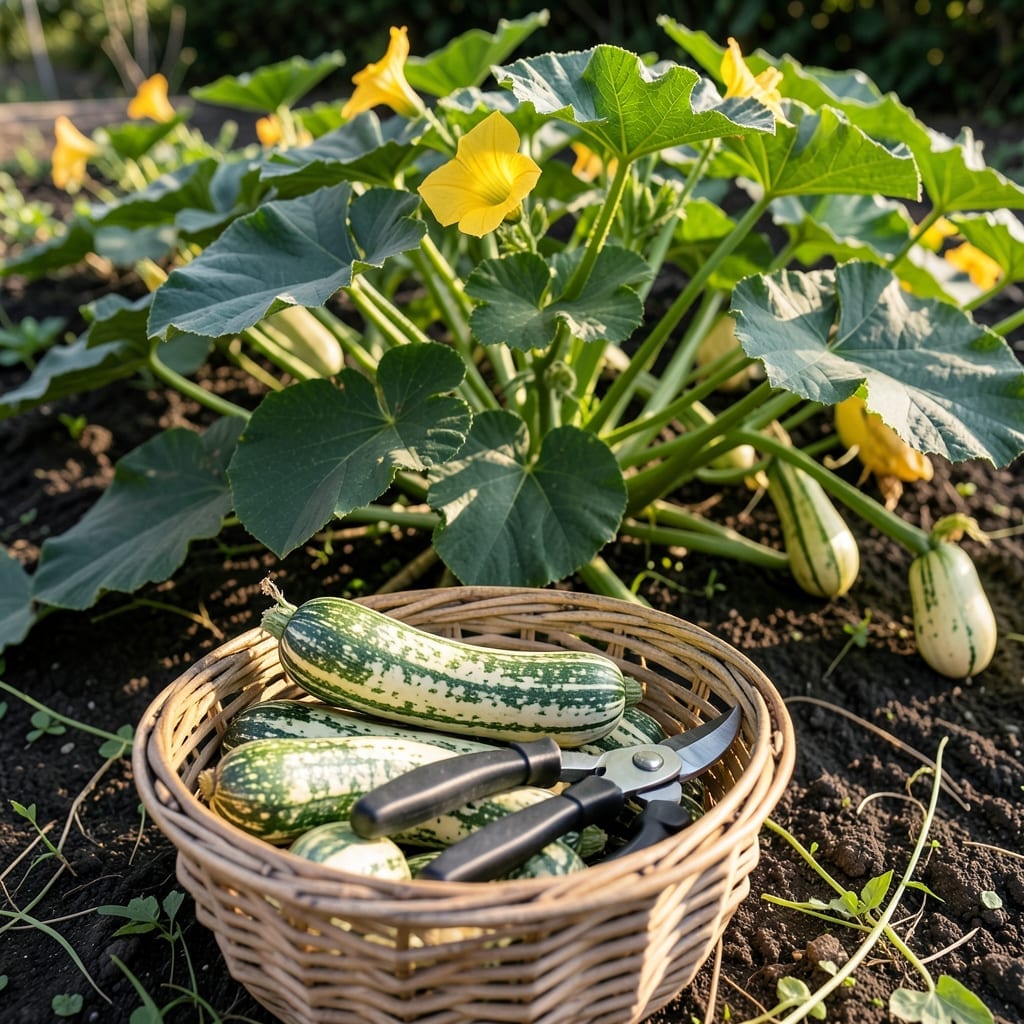
Knowing the exact moment to harvest Delicata Squash 🎃 can mean the difference between a sweet, tender crop and a tough, bitter disappointment. Unlike other squash varieties, this one relies on subtle visual and tactile cues.
I’ve learned that timing is everything with these delicate fruits. The skin hardness and color shifts are your most important indicators of ripeness. Miss these signs, and you might end up with squash that’s either underdeveloped or past its prime.
In USDA Zone 6a, the harvest window typically falls between September and October. But how do you know when your Delicata Squash is truly ready? The answer lies in what you see and feel.
Discover the simple yet precise methods to determine peak ripeness. These tips will ensure your harvest is flavorful, perfectly textured, and ready for storage or the table.
I always check the skin hardness first when determining if my delicata squash is ready. A mature squash will have a hard rind that resists puncturing with a fingernail. This tactile test is the most reliable indicator of readiness.
To perform the test, gently press your fingernail into the squash’s skin. If it leaves an indentation or punctures easily, the squash isn’t ready. A hard, unyielding surface means it’s time to harvest. This hardness develops as the squash matures and its sugar content increases.
The transition from soft to hard rind typically occurs over 2-3 weeks as the squash approaches maturity. During this period, the squash is also developing its characteristic sweet flavor and storing nutrients for long-term keeping.
I’ve found that delicata squash with a fully hardened rind can be stored for 2-3 months in cool, dry conditions. This is significantly longer than squash harvested too early, which may only last a few weeks before spoiling.
Another sign to look for is the stem’s condition. As the squash matures, the stem will begin to dry out and turn brown and woody. This is a secondary indicator that works in tandem with the skin hardness test.
Remember that weather conditions can affect the hardening process. In cooler climates, squash may take longer to develop a hard rind. I always recommend checking your squash weekly as they approach maturity.
It’s important not to wait too long, however. Overly mature delicata squash can become tough and lose some of their sweetness. The ideal harvest window is when the rind is hard but the squash still feels slightly heavy for its size.
I use a simple tapping test as a final check. A mature delicata will produce a hollow sound when tapped lightly with a knuckle. This, combined with the hardness and color checks, gives me confidence in my harvest timing.
By mastering these tactile and visual cues, you’ll consistently harvest delicata squash at its peak of flavor and storage potential. The skin hardness test is my go-to method, but using all these indicators together ensures the best results. ☀️
I’ve found that delicata squash undergoes a distinct color transformation as it matures, making this one of the most reliable visual cues for harvest timing. The initial green skin gradually transitions to a cream or pale yellow base with dark green stripes becoming more pronounced.
This color shift typically begins 80-100 days after planting, though regional climate variations can slightly alter the timeline. The sugar content increases significantly as the color deepens, which is why waiting for this change is crucial for the sweetest flavor.
The transition from green to cream is your first major indicator. I check my plants daily once this begins, as the final shift to pale yellow can happen quickly. In cooler climates, this process may take a bit longer, so I recommend starting your checks around day 90.
Another pro tip: the stripes themselves will change from glossy to matte as maturity progresses. This dulling of the stripe color, combined with the base color change, gives me confidence that the squash is ready for harvest.
Remember that color alone isn’t the only factor. I always combine this visual check with the skin hardness test we discussed earlier for the most accurate assessment. The two indicators together provide the most reliable signal for peak ripeness.
This dual-check method has helped me avoid harvesting immature squash that might not store well or develop its full sweet potential.☀️