
Beautiful Plants For Your Interior
Beautiful Plants For Your Interior
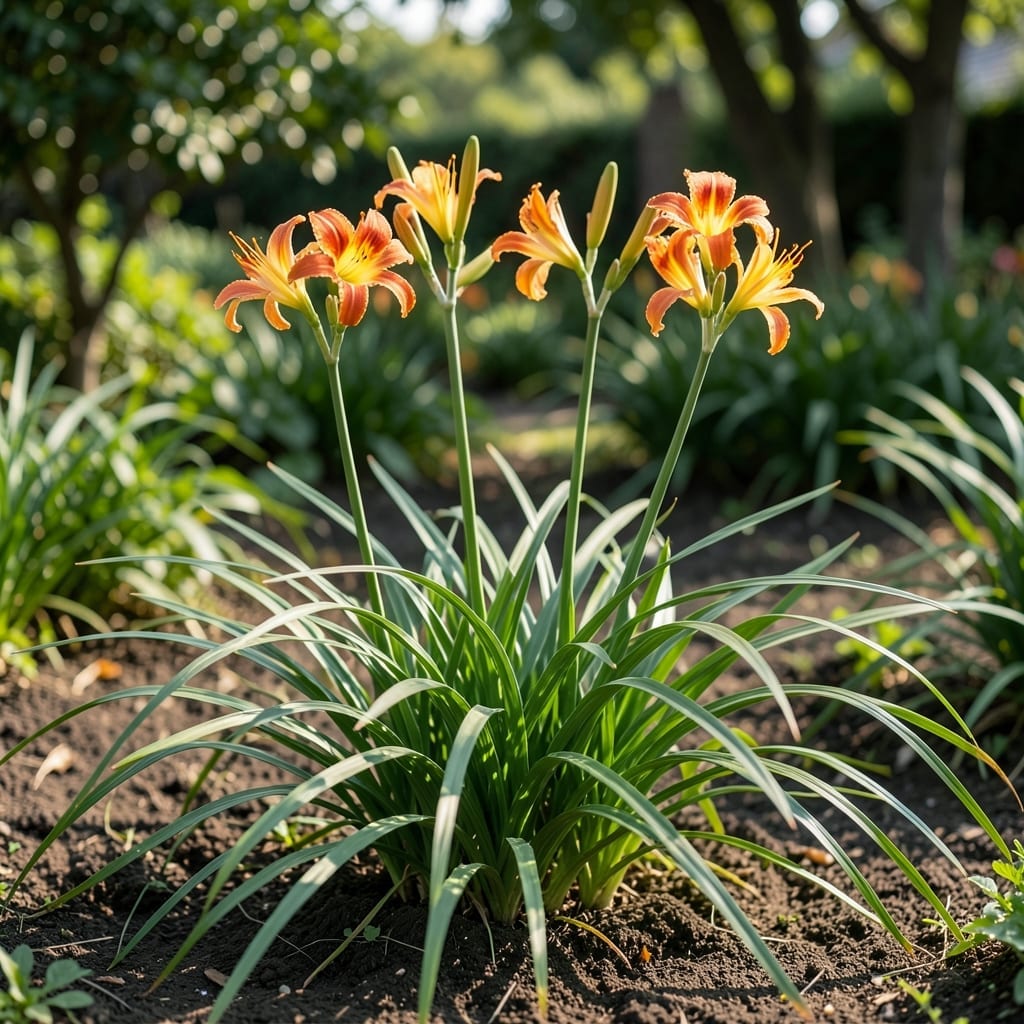
Wondering whether your 🌼 Day Lilies thrive in sun or shade? The right light exposure can make all the difference between lackluster foliage and a garden bursting with vibrant blooms.
These hardy perennials are surprisingly adaptable, but they do have preferences. Getting the light conditions right means more flowers and healthier plants.
Discover how to balance sunlight and shade for your Day Lilies, no matter your climate or garden layout. Let’s shed some light on the perfect setup.
 Best Window Placement
I’ve found that day lilies absolutely thrive in full sun, which means at least 6+ hours of direct sunlight daily. This is when they produce the most vibrant and abundant blooms, with strong, healthy stems that can support their flowers without flopping over.☀️
That said, these resilient plants can also tolerate partial shade, especially in hotter climates where intense afternoon sun might scorch their petals. In these cases, dappled shade or morning sun with afternoon shade can help prevent stress while still encouraging blooms.🌿
| Requirement | Specification |
|---|---|
| Ideal Sunlight | 6+ hours daily |
| Shade Tolerance | Partial shade (3-6 hours) |
| Best for Blooming | Full sun exposure |
| Climate Adjustment | Afternoon shade in hot zones |
In my experience, full sun is the gold standard for day lilies because it maximizes photosynthesis, leading to more energy for flower production. The Hemerocallis genus, to which day lilies belong, evolved in open meadows, so they’re naturally wired to soak up sunlight.🌼
However, if your garden has limited sun, don’t worry. Many varieties, like ‘Happy Returns’ or ‘Stella de Oro’, perform well in partial shade. Just expect slightly fewer blooms and potentially taller, leggier stems as they stretch toward the light.
Watch for signs of light stress. Too much shade can lead to fewer flowers and weak stems, while too much sun in extreme heat can cause scorched petals or faded colors. Adjust their placement if you notice these issues.
For gardeners in USDA zones 7-10, where summers are intense, I recommend providing afternoon shade to protect the blooms. In cooler climates, like zones 3-6, full sun all day is usually ideal for maximum flowering.☀️
Soil also plays a role in light adaptation. In well-draining soil, day lilies handle sun better because their roots stay healthy. If your soil is heavy or clay-like, improving drainage can help them thrive even in full sun conditions.
If you’re planting under trees or in a shady spot, consider thinning the canopy or choosing lighter-colored day lily varieties, which often reflect more light and perform better in lower-light conditions.🌳
Remember, consistency is key. Day lilies adapt well to their environment, but sudden changes in light exposure—like moving them from deep shade to full sun—can shock the plant. Gradual adjustments work best.
I’ve learned that day lilies in full sun need more frequent watering, as the soil dries out faster. Aim for 1-2 inches of water weekly, preferably in the morning to reduce evaporation.☀️
In partial shade, the soil retains moisture longer, so I water less often—about once a week unless it’s unusually dry. Always check the top inch of soil before watering to avoid over-saturating the roots.🌿
If your day lilies are in full sun but struggling, I recommend amending the soil with organic compost to improve water retention. This helps the roots stay hydrated during long, sunny days.🌼
For shady areas, I’ve had success with lighter-colored day lily varieties like ‘Ice Carnival’. These reflect more light, which helps them thrive even with 3-4 hours of sunlight daily.
Watch for leggy stems or pale foliage, which often signal insufficient light. If you notice these signs, consider relocating your day lilies to a sunnier spot or thinning nearby trees to allow more light through.
In my garden, I pair sun-loving day lilies with drought-tolerant plants like lavender or coneflowers. This creates a low-maintenance, vibrant border that thrives in similar conditions.✂️