
Beautiful Plants For Your Interior
Beautiful Plants For Your Interior
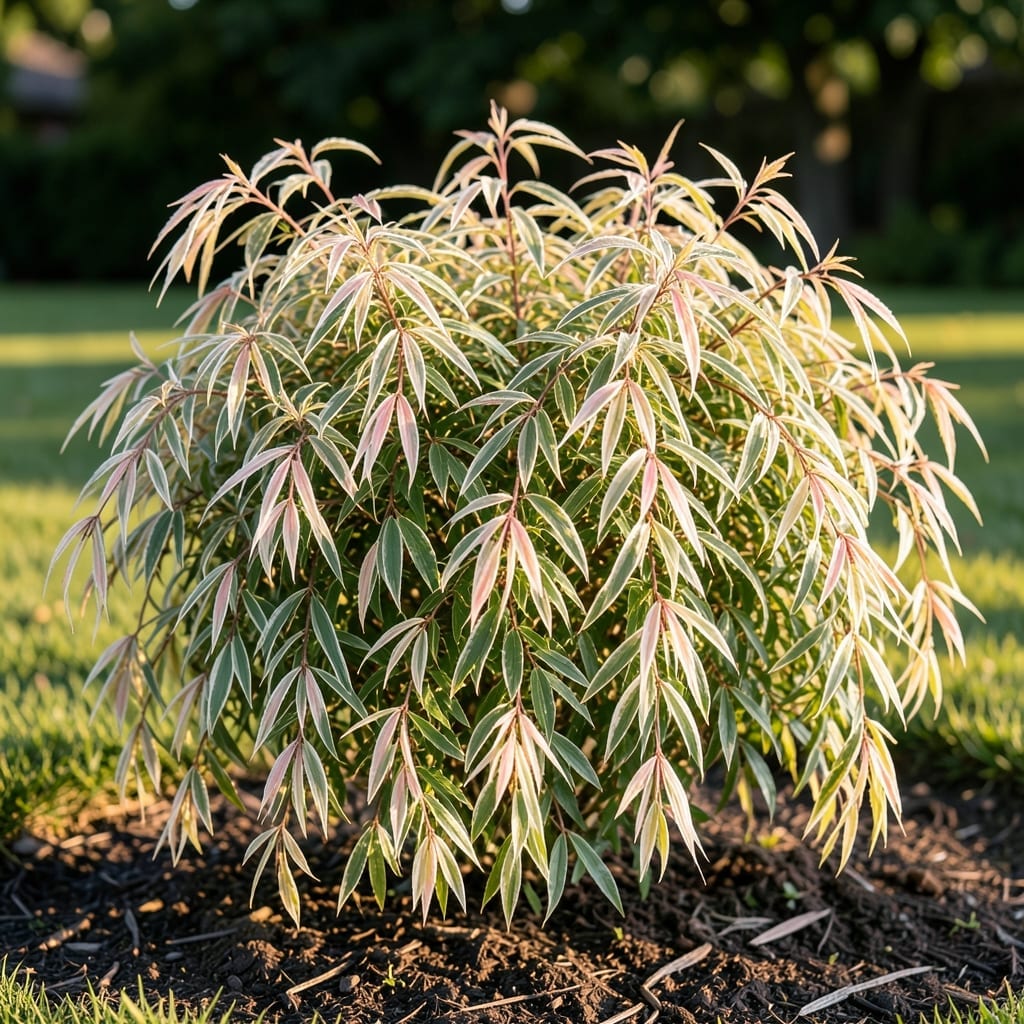
The dappled willow 🌿 is a stunning shrub that brings vibrant colors to any garden, but its size often catches new growers off guard. This isn’t a plant you can tuck into a small corner and forget about.
With mature heights typically reaching 6-10 feet, it demands thoughtful placement in your landscape. Whether you’re planning a privacy screen or a striking focal point, knowing its growth potential is essential.
I’ve seen too many gardeners plant this beauty without considering its eventual size, leading to overcrowding or constant pruning. Let’s make sure you avoid those mistakes.
Discover how to work with the dappled willow’s natural growth habits rather than against them, for a garden that thrives with minimal fuss.

The dappled willow is a fast-growing shrub that can reach 6-10 feet tall at maturity, with some specimens stretching to 12 feet in ideal conditions. Its rapid growth rate of 2-3 feet per year means you’ll see noticeable changes quickly.
This height varies by cultivar, climate, and care. In warmer zones, it may grow taller, while cooler climates might keep it more compact. Proper pruning can also influence its final size. 🌿
| Stage | Height Range |
|---|---|
| Year 1 | 2-3 ft |
| Year 2 | 4-6 ft |
| Year 3 | 6-8 ft |
| Mature | 6-10 ft |
In its first year, expect 2-3 feet of growth if planted in spring. By year two, it can double in height, reaching 4-6 feet. This rapid expansion makes it a great choice for filling empty garden spaces quickly.
The dwarf varieties stay smaller, typically 3-5 feet tall, perfect for compact gardens. Meanwhile, standard cultivars can reach 8-10 feet without pruning, making them ideal for privacy screens or tall hedges.
Soil conditions play a big role in its height. Rich, moist soil encourages faster, taller growth, while dry or poor soil may stunt it. I’ve seen willows in fertile ground outpace their expected height by a foot or two.
Climate zones 4-8 are ideal for this shrub. In warmer areas, it may grow taller due to a longer growing season. Cooler climates might limit its height but can produce dense, bushy growth.
Pruning is a key factor in controlling height. Annual trimming can keep it at a manageable size, but be prepared for vigorous regrowth. I recommend pruning in late winter or early spring before new growth starts.
If left unpruned, the dappled willow can become leggy, with long, arching branches that may flop over. Regular maintenance keeps it compact and full, enhancing its ornamental appeal.
For gardeners with limited space, consider dwarf cultivars like ‘Hakuro Nishiki’ or grow it in a large container. This way, you can enjoy its beauty without worrying about it overwhelming your garden. 🌱
Managing the dappled willow height starts with understanding its vigorous growth. This shrub can add 2-3 feet per year under ideal conditions, quickly outgrowing small spaces. I recommend planning for its mature size from day one.
Regular pruning in late winter helps control height while maintaining its striking variegated foliage. Don’t wait until it’s overgrown—consistent care keeps it at your desired size.
For gardeners short on space, container growing is a game-changer. A large pot restricts root growth, naturally limiting the plant to about half its typical height. Just ensure the container has good drainage.
If you prefer in-ground planting, select a dwarf variety like ‘Hakuro Nishiki’. These stay compact at 3-5 feet tall, perfect for smaller gardens or borders. They deliver the same stunning foliage in a more manageable package.
Remember, the soil quality and sunlight exposure directly impact growth rate. Rich, moist soil and full sun will produce the tallest specimens. Adjust your care routine to match your size goals.
Finally, always consider the mature spread too—this shrub can grow 6-8 feet wide. Give it room to shine without crowding other plants or structures. Proper spacing prevents future headaches.
☀️