
Beautiful Plants For Your Interior
Beautiful Plants For Your Interior
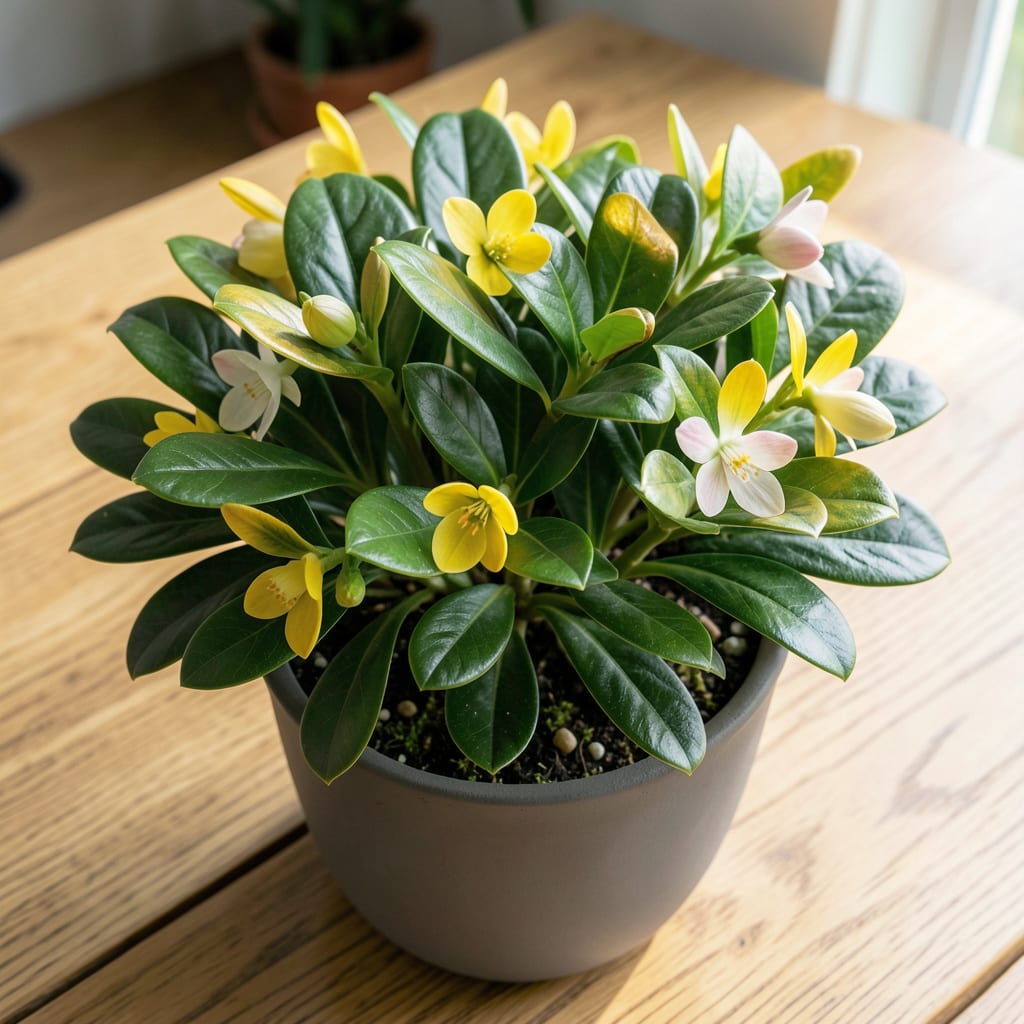
Yellow leaves on your daphne aren’t just unsightly—they’re a cry for help. I’ve saved countless plants by catching this early, and the fix often starts with what’s happening beneath the soil.
Most cases trace back to 3 common culprits: water stress, nutrient imbalance, or unhappy roots. The good news? Each leaves distinct clues—yellowing patterns, leaf texture, or growth speed—that point to the exact problem.
With the right adjustments, you’ll see fresh green growth within 2-3 weeks. The solution usually involves tweaking your watering routine, amending the soil, or addressing drainage issues.
Works for potted daphne, garden beds, or struggling new plantings. Here’s how to diagnose and fix it fast.
Daphne plants develop yellow leaves due to several underlying issues, often tied to environmental stress or cultural mismanagement. Below are the most common causes, explained with actionable insights.
Root asphyxiation is a primary culprit. Daphne roots are sensitive to waterlogged soil, which reduces oxygen availability. When roots can’t breathe, they fail to absorb nutrients (like iron and nitrogen), leading to chlorosis—the yellowing of leaves due to chlorophyll breakdown. Fix: Ensure pots have drainage holes and use a well-draining, slightly acidic (pH 6.0–6.5) soil mix. Water only when the top inch of soil is dry.
Daphnes are acid-loving plants, and alkaline soils (pH > 7.0) lock out essential micronutrients like iron and manganese. Iron deficiency causes interveinal chlorosis—yellow leaves with green veins—while nitrogen deficiency leads to uniform pale yellowing. Fix: Test soil pH and amend with sulfur or chelated iron. Apply a balanced, acid-formulated fertilizer in spring.
Too much direct sunlight or extreme temperatures can scorch leaves, triggering yellowing as a stress response. Daphnes thrive in partial shade (4–6 hours of morning sun) and cool climates (USDA zones 4–8). Fix: Move potted plants to dappled shade or provide afternoon shade in hot climates. Mulch to regulate soil temperature.
Spider mites and aphids sap nutrients from leaves, causing stippling, curling, and yellowing. These pests thrive in dry conditions. Fix: Spray leaves with water to dislodge pests or use insecticidal soap. Increase humidity around the plant to deter mites.
Tackling yellow leaves on your daphne plant starts with identifying the root cause. Below are targeted fixes for common issues, along with prevention tips to keep your plant thriving.
Fix: Let the soil dry out slightly between waterings. Repot the plant in a well-draining mix (add perlite or sand) and ensure the container has drainage holes. Trim any black, mushy roots to prevent rot.
Prevention: Water only when the top inch of soil feels dry. Use a pot with drainage holes and avoid saucers that trap water.
Fix: Test the soil pH (daphne prefers slightly acidic to neutral, 6.0–7.0). Amend with compost or a balanced, slow-release fertilizer. For iron deficiency (common in alkaline soil), apply chelated iron.
Prevention: Feed with a mild fertilizer every 4–6 weeks during growing season. Avoid over-fertilizing, which can burn roots.
Fix: Inspect leaves for aphids, scale, or spider mites. Spray with insecticidal soap or neem oil, focusing on undersides. For severe cases, remove heavily infested leaves.
Prevention: Keep the plant healthy to deter pests. Regularly wipe leaves with a damp cloth and isolate new plants before introducing them.
Fix: Move the plant to bright, indirect light (east- or north-facing windows work well). Shield it from harsh afternoon sun. If cold drafts are an issue, relocate away from windows or doors.
Prevention: Maintain consistent temperatures (60–75°F) and avoid sudden changes. Rotate the pot occasionally for even light exposure.
Fix: Remove affected leaves immediately. Treat with a copper-based fungicide or bacterial spray. Improve air circulation by spacing plants apart.
Prevention: Avoid overhead watering—water at the base instead. Sterilize pruning tools between cuts to prevent spreading pathogens.
💡 Pro Tip: Always start with the simplest fix (e.g., adjusting watering) before moving to treatments like fertilizers or pesticides. Daphne plants are sensitive, so gentle care goes a long way!
Water when the top 1 inch of soil feels dry. Overwatering leads to root rot, while underwatering causes stress. In hot weather, check soil moisture every 2-3 days.
This pattern signals iron deficiency, common in alkaline soil. Daphne needs slightly acidic soil (pH 6.0-6.5). Use chelated iron or sulfur to lower pH and restore green color.
Once yellow, leaves typically won’t regain full green color. Focus on fixing the underlying issue—new growth will emerge healthy if conditions improve within 2-3 weeks.
Daphne thrives in partial shade with 4-6 hours of morning sun. Avoid harsh afternoon light, which can scorch leaves. In hot climates, dappled shade works best.
