
Beautiful Plants For Your Interior
Beautiful Plants For Your Interior
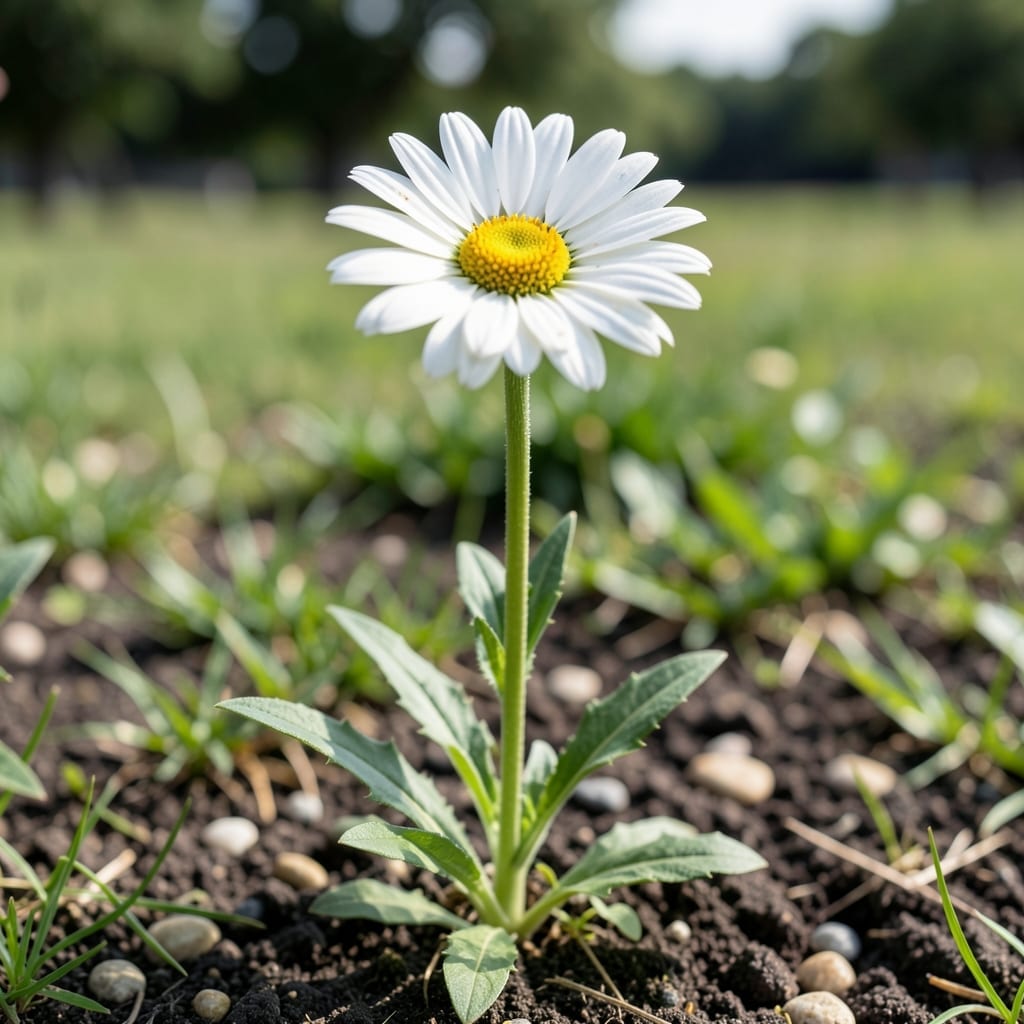
Nothing brightens a garden like the cheerful faces of 🌼 Daisy in full bloom. Timing is everything to enjoy their beauty from start to finish.
I’ve learned that knowing the ideal window makes all the difference for vibrant, long-lasting displays. Whether you’re in zone 6a or elsewhere, the season matters more than you think.
Discover how to plant during the March to May sweet spot for the best results. These simple timing adjustments can transform your garden.
Let me show you exactly how to maximize your blooms from June through September and beyond. You’ll be amazed at what a difference proper timing makes.
If you want vibrant daisy blooms all season, timing your planting is everything. I’ve found that early spring is ideal for most regions, right after the last frost when soil is workable. This gives roots time to establish before summer heat kicks in.
For USDA zones 6-9, aim to plant between March and May. In cooler zones like 3-5, wait until late April or May when the ground has warmed. Warmer zones like 10-11 can plant as early as February for earlier blooms.
| Requirement | Specification |
|---|---|
| Best Planting Months | March-May |
| USDA Zone Range | 3-11 |
| Soil Temperature | 50-60°F |
| Sunlight Needs | 6+ hours daily |
| Bloom Duration | June-September |
I always recommend checking your local frost dates for precision. In my garden, planting 2 weeks after the last frost ensures the daisies aren’t shocked by late cold snaps. This timing also aligns with optimal soil moisture levels for root development.
For fall planting, aim for September in zones 6-9. This gives roots 6-8 weeks to establish before winter. In warmer zones, you can plant as late as October, but avoid this in colder areas where early frosts are common.
If you’re growing perennial daisies like Shasta or Oxeye, planting in early spring or fall works best. These varieties need time to build strong root systems before extreme heat or cold. Annual daisies, like African daisies, prefer spring planting after frost danger passes.
Container-grown daisies offer more flexibility. You can plant these anytime during the growing season, but I’ve had the best luck with spring and early summer plantings. Just ensure the soil stays consistently moist for the first few weeks.
Pro tip: Divide perennial daisies every 2-3 years in early spring or fall. This rejuvenates the plants and gives you free new plants to expand your garden. I do this right as new growth appears in spring for the best results.
Remember, the bloom season for most daisies is June through September, but with the right care, you can extend this window. Deadheading spent blooms and providing consistent water are key to keeping them flowering longer.
In my experience, daisies planted at the right time not only bloom more abundantly but also resist pests and diseases better. Healthy timing leads to stronger, more resilient plants that brighten your garden for months. ☀️
To keep your daisy flower season going strong, I focus on consistent care. Deadheading spent blooms encourages new flowers, while regular watering keeps roots happy. A light fertilizer boost every month helps too. ✂️
I’ve found that morning watering prevents fungal issues, and mulching retains moisture. Daisies thrive with 6+ hours of sun, so ensure they’re planted in a bright spot. These small steps make a big difference. ☀️
For longer blooms, I recommend Shasta daisies, which can flower from early summer to fall with proper care. Oxeye daisies are another great choice for extended color. 🌼
If you notice yellowing leaves, it might be overwatering. Daisies prefer well-draining soil, so adjust your watering schedule if needed. Pest control is rarely an issue, but keep an eye out for aphids.
Overwintering is key in colder zones. I cut back foliage in late fall and add a thin layer of mulch for protection. This helps daisies return stronger next growing season.
With these simple care tips, you can enjoy daisy blooms for months. I’ve seen my garden stay vibrant well into autumn by following this routine. 🌿