
Beautiful Plants For Your Interior
Beautiful Plants For Your Interior
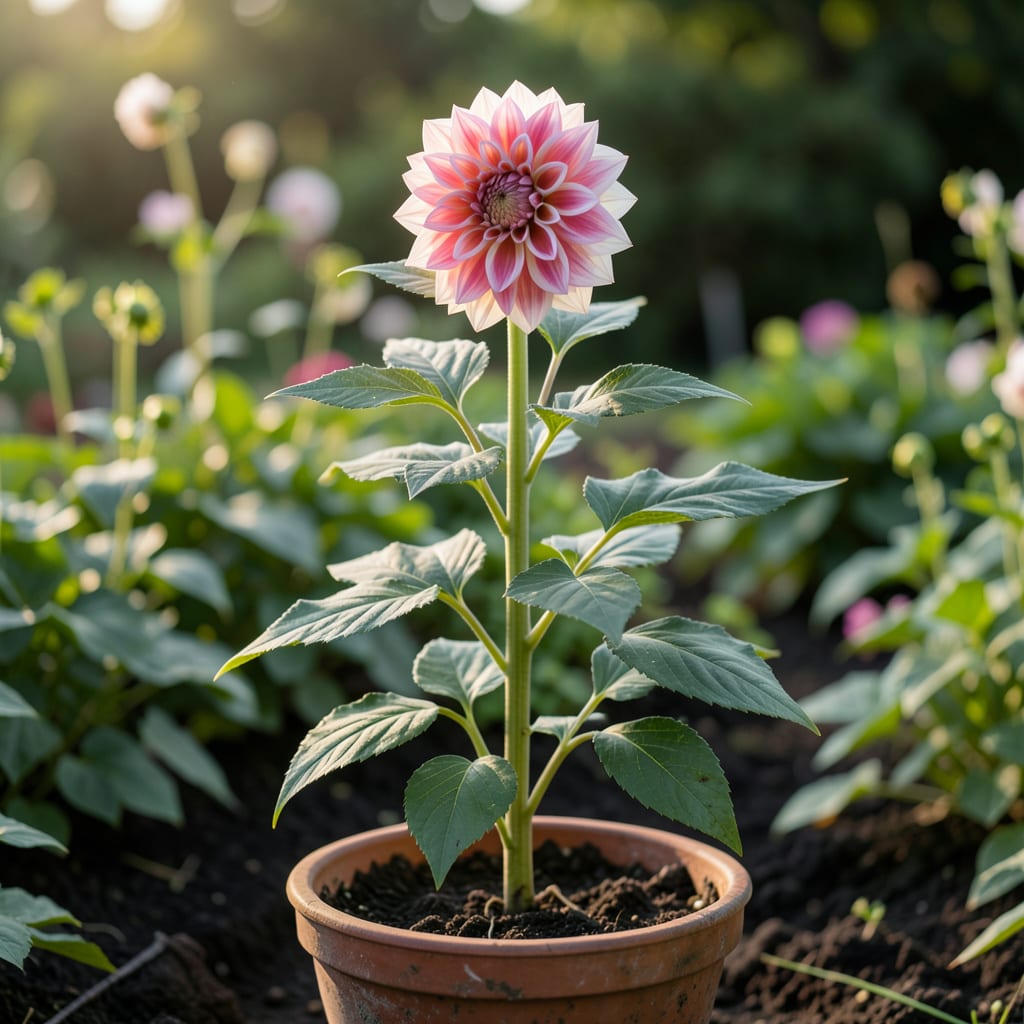
As a gardener, I’ve always been fascinated by dahlias 🌺 – their vibrant blooms come in various sizes and colors, but their height can be a mystery. In USDA zone 6a, where I garden, dahlias can grow to be quite tall, but how tall exactly?
The height of dahlias depends on factors like variety, growing conditions, and care practices – let’s dive into the details and explore how to support these beautiful flowers to reach their full potential, with some varieties growing up to 6 feet tall!

Dahlias are known for their vibrant blooms and varying heights, which can be influenced by several factors including variety, growing conditions, and care practices. As a gardener, understanding these factors is crucial to supporting your dahlias to reach their full potential.
The height of dahlias can range significantly based on the variety. Some dahlias are bred to be compact and remain relatively short, while others can grow quite tall. On average, dahlias can grow anywhere from 1 to 6 feet tall, with some varieties reaching heights of over 6 feet under optimal conditions.
The growing conditions also play a significant role in determining the height of dahlias. Factors such as soil quality, sunlight, and watering practices can all impact how tall your dahlias will grow. Ensuring that your dahlias receive adequate sunlight and are planted in well-draining soil can help promote healthy growth and maximize their height.
Care practices, including staking and fertilization, can further influence dahlia height. Providing support through staking can help prevent taller varieties from toppling over in the wind, while balanced fertilization can promote robust growth and flowering.
In USDA zone 6a, dahlias typically thrive in the full sun and well-draining soil that is characteristic of the region during the growing season. By understanding the specific needs of your dahlias and providing the right conditions, you can help them reach their full height potential.
Dahlias are a versatile flower that can add beauty and elegance to any garden. Their varying heights make them suitable for a range of garden designs, from border plants to statement pieces in a garden bed.
To achieve the best results, it’s essential to choose a variety that suits your garden’s conditions and to provide the appropriate care. Whether you’re looking for compact dahlias for container gardens or tall varieties to anchor a garden bed, there’s a dahlia to suit every gardener’s needs.
By selecting the right variety and following expert gardening tips, you can enjoy dahlias that not only reach their full height potential but also bloom vibrantly throughout the growing season 🌺.
The key to maximizing dahlia height lies in understanding the factors that influence their growth and applying the right care practices. With the right approach, your dahlias can become a stunning feature in your garden.
For gardeners looking to make the most of their dahlias, considering the specific growing conditions and needs of these plants is essential. By doing so, you can ensure that your dahlias grow to be as tall and healthy as possible.
To help dahlias reach their full height potential, gardeners need to focus on several key factors that influence their growth. The right combination of soil preparation, staking, watering, and fertilization can make a significant difference in how tall your dahlias will grow 🌼.
Prepare the soil with organic matter like compost to improve drainage and fertility, which supports healthy root development and overall plant growth.
Provide support for taller dahlia varieties using stakes or cages to prevent them from toppling over in the wind, ensuring they grow upright and reach their maximum height.
Maintain consistent moisture by watering dahlias regularly, especially during dry spells, to support continuous growth and flowering.
Feed dahlias with a balanced fertilizer every 4-6 weeks to promote robust growth and abundant flowering, contributing to their overall height and health.
By implementing these expert gardening tips, you can create an optimal growing environment for your dahlias, helping them to achieve their maximum height and display their beautiful blooms to their fullest potential 🌺.
Regular maintenance is also crucial for maximizing dahlia height. This includes monitoring for pests and diseases, and taking action promptly if you notice any issues. Healthy plants are more likely to reach their full height potential.
In addition to the tips mentioned, deadheading can encourage dahlias to produce more blooms, which can also contribute to a fuller and more robust plant. Removing spent flowers directs the plant’s energy towards producing new blooms rather than seed production.
For gardeners in USDA zone 6a, being mindful of the last frost date is important when planting dahlias. Planting tubers after the soil has warmed and the risk of frost has passed can help ensure that your dahlias have the best start possible.
By combining these strategies, you can enjoy dahlias that not only reach their full height but also provide a stunning display of color in your garden throughout the growing season.
When growing dahlias, gardeners often make mistakes that can limit their height and overall health. Understanding these common pitfalls is crucial to ensuring your dahlias reach their full potential 🌺.
Common errors in dahlia care can significantly impact their growth and height. By being aware of these mistakes, you can take steps to avoid them and ensure your dahlias thrive.
One common mistake is planting tubers too early. Dahlias thrive in warmer temperatures, so planting them too early can expose them to frost damage. It’s essential to wait until the soil has warmed to at least 60°F before planting 🌟.
Another mistake is inadequate staking. Taller dahlia varieties need support to prevent them from toppling over in the wind. Using stakes or cages can help keep them upright and promote healthier growth 🌱.
Poor soil preparation is also a common issue. Dahlias prefer well-draining soil rich in organic matter. Failing to prepare the soil properly can lead to poor root development and stunted growth 🌿.
Overwatering is another pitfall. While dahlias need consistent moisture, too much water can cause the tubers to rot. Ensuring the soil drains well and avoiding excessive watering can help prevent this issue 💧.
Neglecting fertilization can also limit dahlia growth. Feeding dahlias with a balanced fertilizer every 4-6 weeks promotes robust growth and abundant flowering, contributing to their overall height and health 🌼.
By being aware of these common mistakes and taking steps to avoid them, you can help your dahlias reach their full height potential and enjoy a vibrant display of blooms throughout the growing season 🌺.
Regular monitoring and maintenance are key to preventing these issues and ensuring your dahlias remain healthy and thrive.
For gardeners in USDA zone 6a, being mindful of the specific needs of dahlias and adapting your care practices accordingly can make a significant difference in their growth and overall performance.
Dahlias can grow anywhere from 1 to 6 feet tall, depending on the variety. Some compact varieties remain relatively short, while others can reach heights of over 6 feet under optimal conditions. The right growing conditions and care practices can help maximize their height .
Providing support through staking or using cages can help prevent taller varieties from toppling over in the wind. This ensures they grow upright and reach their maximum height. Staking should be done carefully to avoid damaging the plant .
Common mistakes include planting tubers too early, inadequate staking, poor soil preparation, overwatering, and neglecting fertilization. Being aware of these pitfalls can help you take steps to avoid them and ensure your dahlias thrive .
Feeding dahlias with a balanced fertilizer every 4-6 weeks promotes robust growth and abundant flowering, contributing to their overall height and health. This regular fertilization is key to maximizing their growth potential .
