
Beautiful Plants For Your Interior
Beautiful Plants For Your Interior
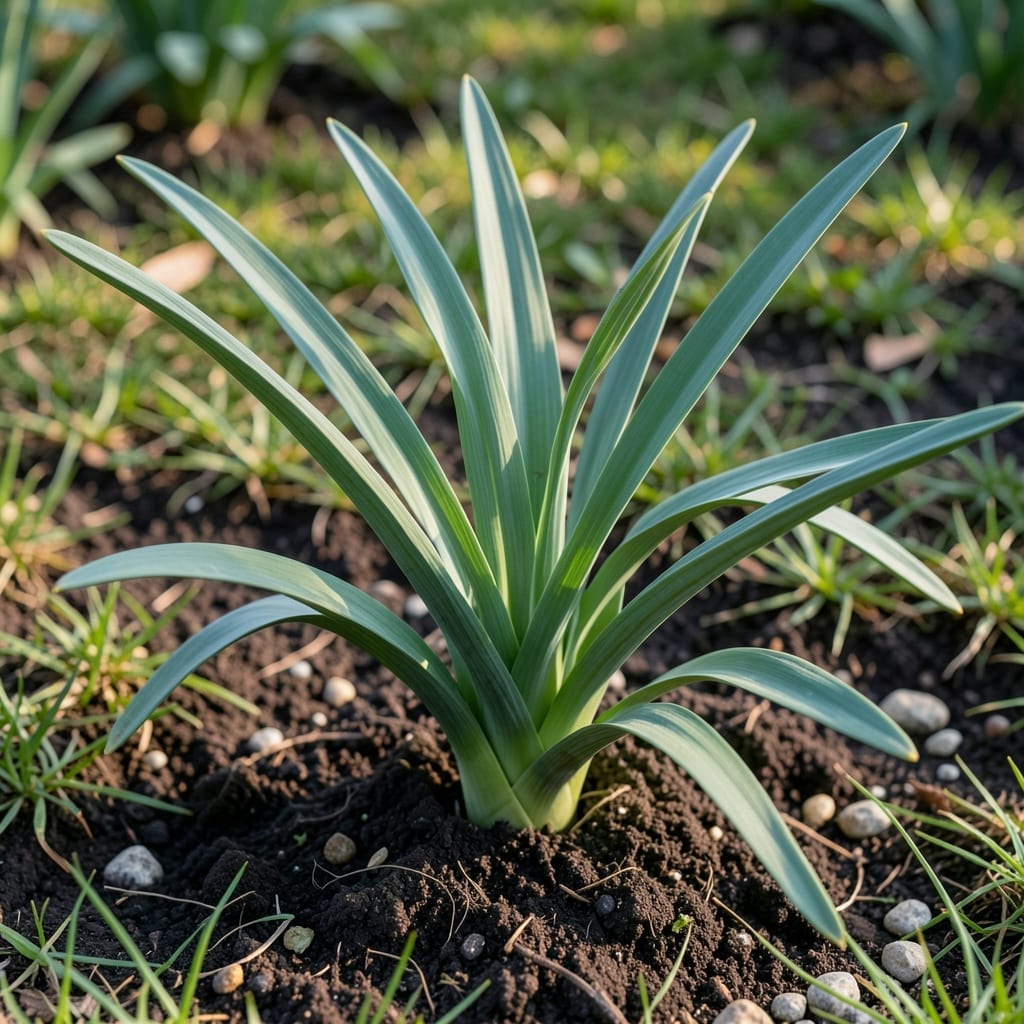
Nothing’s more disappointing than spring daffodils that refuse to bloom. I’ve stared at green leaves for years before figuring out why my bulbs stayed flowerless. Turns out, the fix is often simpler than you think.
Most issues come down to planting depth, nutrient shortages, or timing mishaps. My first daffodils were buried too shallow, and they never recovered. Now I check bulb placement and soil health before anything else.
You’ll see a dramatic difference next season with a few adjustments. Deeper planting, balanced fertilizer, and proper sunlight exposure can revive even the most stubborn bulbs.
Works for established clumps and new plantings alike. Here’s how to bring those bright blooms back for good.
When your daffodils produce lush green foliage but no flowers, several underlying issues may be at play. Here’s a breakdown of the most common causes, explained scientifically and with actionable fixes.
Daffodil bulbs need 2–3 years to mature enough to flower. If planted too recently, they may focus energy on root and leaf growth. Additionally, overcrowding forces bulbs to compete for nutrients, stunting bloom development. Solution: Dig up clusters every 3–5 years, separate offsets, and replant the largest, healthiest bulbs.
Daffodils require full sun (6+ hours daily) to trigger flowering. Shade from trees or buildings can disrupt photosynthesis, reducing carbohydrate storage in bulbs—essential for bloom formation. Solution: Relocate bulbs to sunnier spots or prune nearby foliage to improve light exposure.
A lack of phosphorus (critical for flowering) or excess nitrogen (promotes leaf growth over blooms) can prevent buds from forming. Soils with low organic matter or improper pH (ideal: 6.0–7.0) may also hinder nutrient uptake. Solution: Amend soil with bone meal or a balanced fertilizer (5-10-10) in early fall.
Cutting back leaves before they yellow (typically 6–8 weeks after blooming) interrupts the bulb’s energy storage process. This weakens the plant for the next season. Solution: Let foliage die back naturally, or braid leaves if they’re unsightly—never remove them early.
Extreme temperature swings, late frosts, or drought during bud initiation (summer/fall) can abort flower development. Bulbs need consistent moisture and a cold period (12–14 weeks below 40°F) to break dormancy. Solution: Mulch beds to insulate soil and water deeply during dry spells.
When your daffodils refuse to bloom, a few targeted fixes can bring back their vibrant yellow heads. Here’s how to tackle the most common issues:
If your daffodils have been in the same spot for years, they may be too crowded. Fix: Dig up the bulbs after the foliage dies back (usually in late spring or early summer). Separate the offsets (small bulbs) from the parent bulbs and replant them 4–6 inches apart. This gives each bulb enough space to store energy for next year’s flowers.
Prevention tip: 💡 Divide bulbs every 3–5 years to prevent overcrowding.
Daffodils need at least 6 hours of sunlight daily. Fix: If they’re in a shady spot, consider transplanting them to a sunnier location in the fall. If moving isn’t an option, trim back nearby trees or shrubs to let more light in.
Prevention tip: 🌞 Plant new bulbs in well-lit areas from the start.
Poor soil can starve bulbs of essential nutrients. Fix: Work a balanced, low-nitrogen fertilizer (like 5-10-10) into the soil in early spring or fall. Avoid high-nitrogen blends, as they promote leafy growth over flowers.
Prevention tip: 🌱 Apply a thin layer of compost annually to keep soil fertile.
Too much water can rot bulbs, while too little stunts growth. Fix: Water deeply once a week during dry spells, but ensure the soil drains well. If your soil is heavy clay, amend it with sand or organic matter to improve drainage.
Prevention tip: 💧 Mulch with 2–3 inches of organic material to retain moisture without waterlogging.
Cutting back leaves too soon robs bulbs of their energy source. Fix: Let foliage yellow naturally—this can take 6–8 weeks after blooming. Only remove it once it’s completely brown and paper-thin.
Prevention tip: ✨ Mark bulb locations with stakes so you avoid accidentally damaging foliage while gardening.
With these adjustments, your daffodils should bounce back with cheerful blooms next season!
Newly planted daffodil bulbs typically need 2-3 years to mature enough to bloom. They focus on root and leaf growth first. Be patient and ensure proper care during this establishment period.
Yes, transplant non-flowering bulbs in early fall or after foliage dies back. Choose a sunnier spot and plant 6 inches deep. This often resolves light and crowding issues that prevent blooming.
Use a low-nitrogen formula like 5-10-10 in early fall. Avoid high-nitrogen blends which promote leaves over flowers. Bone meal is excellent for providing phosphorus, the key nutrient for flowering.
Inconsistent blooming often results from weather stress, like late frosts or summer droughts. Ensure consistent moisture during bud formation and protect from extreme temperature swings.