
Beautiful Plants For Your Interior
Beautiful Plants For Your Interior
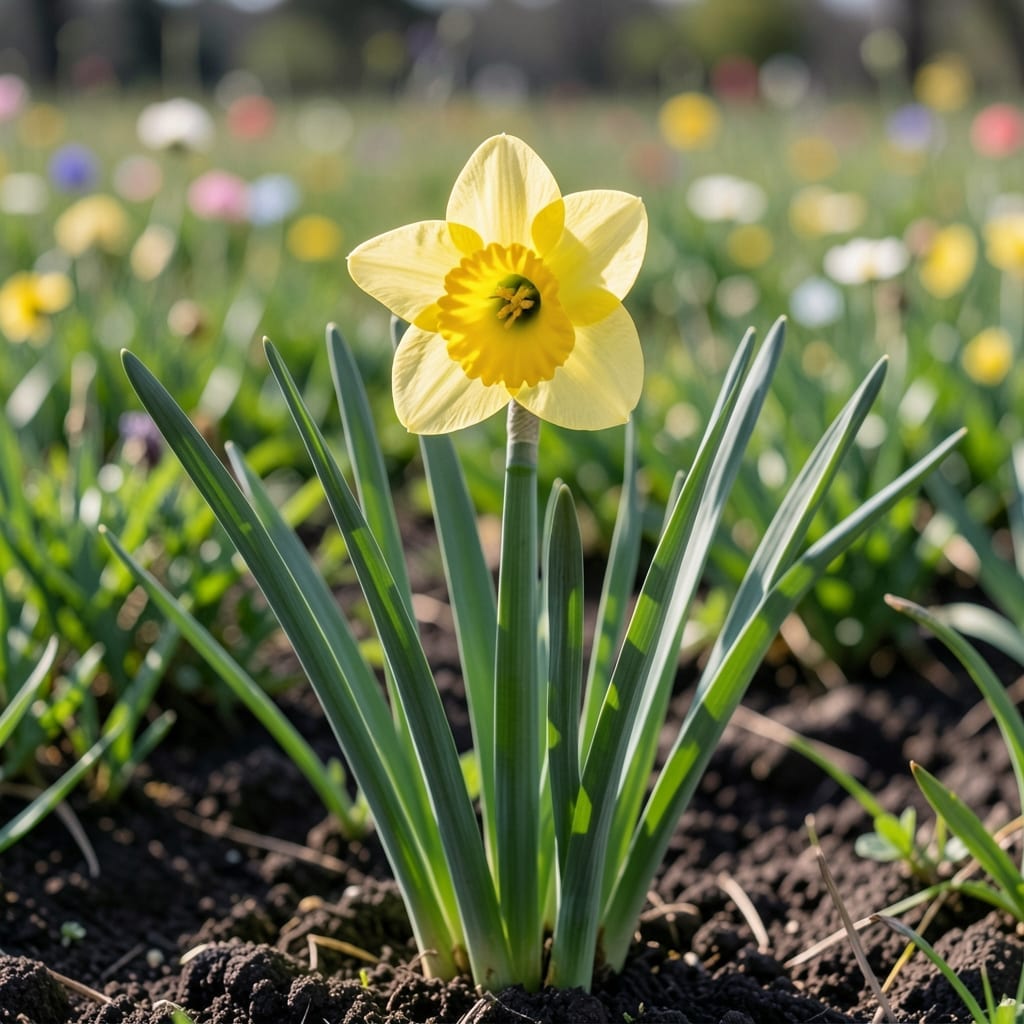
There’s nothing quite like seeing those first cheerful yellow blooms poking through the soil after a long Massachusetts winter. The 🌼 Daffodil signals that spring has truly arrived, but timing can vary across the state.
From the coast to the hills, our diverse climate zones create different bloom schedules. Knowing when to expect these resilient flowers helps you plan your garden and enjoy their beauty at just the right moment.
Whether you’re in zone 5b or 7a, I’ll help you understand the factors that influence your Daffodil’s blooming period. It’s all about working with Massachusetts’ unique weather patterns.
Discover how to predict and even extend your Daffodil season with some simple but effective strategies. Let’s make the most of this springtime spectacle together.
In Massachusetts, Daffodils typically bloom from late March to mid-April, but the exact timing varies by region. Our state spans USDA zones 5b to 7a, creating different spring arrival schedules.
The coastal areas often see blooms 1-2 weeks earlier than inland locations due to milder winters and warmer ocean influences. Meanwhile, the Berkshires and other elevated regions may experience delayed blooms by up to 2 weeks.
| Region | Bloom Start | Peak Bloom | Bloom End |
|---|---|---|---|
| Cape Cod & Islands | Mid-March | Late March | Early April |
| Boston & Coast | Late March | Early April | Mid-April |
| Central Massachusetts | Early April | Mid-April | Late April |
| Western Massachusetts | Mid-April | Late April | Early May |
In zone 7a areas like Cape Cod, you might see early blooms as soon as mid-March, while zone 5b regions such as the Berkshires often don’t bloom until mid-April or later.
Urban heat islands like Boston can accelerate blooming by 3-5 days compared to surrounding suburbs. This microclimate effect is most noticeable in concrete-heavy areas with less green space.
The 2023 growing season saw particularly early blooms due to an unusually warm February. Historical data shows that March temperatures above 45°F consistently trigger earlier emergence.
For the most reliable bloom prediction, I watch for soil temperatures to reach 40-45°F at 6-inch depth. This is when Daffodil bulbs begin active growth after winter dormancy.
Remember that variety selection also impacts timing. Early bloomers like ‘February Gold’ may open 2 weeks before standard varieties, while late bloomers such as ‘Actaea’ can extend your season into May.
In my own garden near Worcester, I’ve noticed that south-facing slopes bloom about 5 days earlier than north-facing areas. This simple topography consideration can help you stagger bloom times naturally.
To maximize your Daffodil season, consider planting bulbs in both sunny and shady spots. The shaded areas will typically bloom 7-10 days later, giving you a longer display of these spring favorites.
This regional diversity means Massachusetts gardeners can enjoy Daffodils for 6-8 weeks if they plan strategically across different microclimates 🌼
Massachusetts’ unpredictable spring weather plays a huge role in when your Daffodils will bloom. I’ve seen early warm spells in February trick bulbs into sprouting too soon.
A cold snap after early growth can delay blooms by 1-2 weeks as bulbs retreat into dormancy. Conversely, consistent warm days above 50°F speed up flowering.
In my experience, heavy snow cover in winter often leads to later but longer-lasting blooms. The insulation prevents premature sprouting during warm winter days.
I track degree days (cumulative warmth) to predict blooms. When we hit 200-250 degree days above 40°F, I know my Daffodils are about to burst forth.
Coastal areas benefit from moderating ocean temperatures, reducing extreme swings. Inland gardeners should watch for late frosts that can nip emerging buds.
For the most accurate predictions, I combine historical data with current 10-day forecasts. This helps me anticipate bloom times within 3-5 days 🌼