
Beautiful Plants For Your Interior
Beautiful Plants For Your Interior
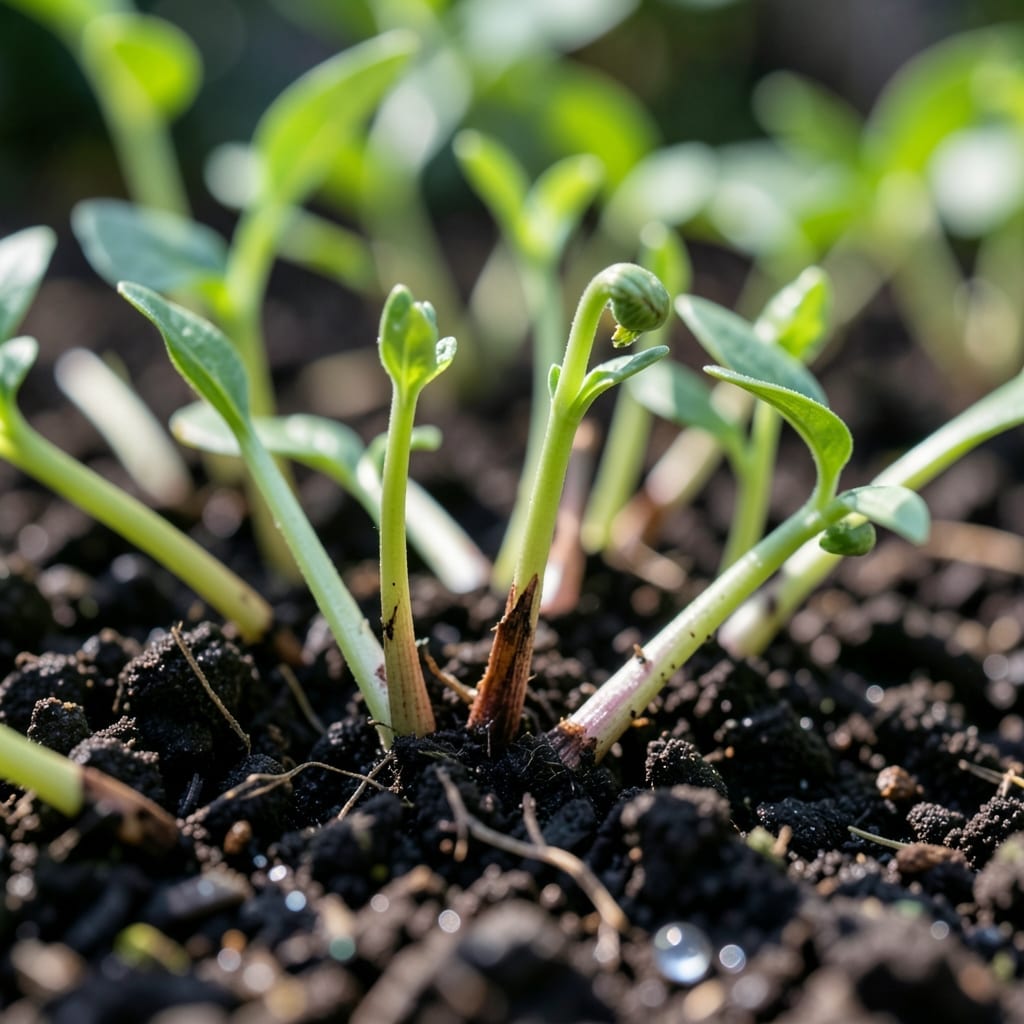
Went to bed with healthy seedlings, woke up to stubs. Cutworms strike at night, severing stems at soil level like tiny garden saboteurs. I lost an entire tray of peppers before figuring out their pattern.
The culprits are gray or brown caterpillars curled just below the surface. They target young plants, especially in cool, damp spring conditions. Most gardeners don’t notice until it’s too late.
Here’s the thing—prevention beats treatment every time. Simple collars around stems stop them cold. You’ll wake up to intact seedlings instead of devastating morning surprises.
Works for tomatoes, peppers, and any vulnerable starts. No chemicals needed, just smart timing and barriers.
Understanding the causes of cutworm damage to seedlings helps you prevent it effectively. These pests don’t attack randomly—they’re driven by specific environmental and behavioral factors. Below are the primary reasons why your young plants may fall victim.
Cutworms are nocturnal, meaning they feed at night when seedlings are most vulnerable. Their dark, moist hiding spots (like soil or debris) keep them protected during the day, while they emerge under cover of darkness to chew through stems at ground level. This behavior makes early detection difficult, as the damage often appears overnight.
Warm, moist soil and dense vegetation create the perfect habitat for cutworm larvae. Overwatered gardens or fields with excessive organic matter (like mulch or weeds) attract egg-laying adult moths. Once hatched, the larvae thrive in these conditions, targeting tender seedlings as their primary food source.
When beneficial predators like birds, ground beetles, or parasitic wasps are absent, cutworm populations can explode unchecked. Monoculture planting (growing a single crop type) or heavy pesticide use can disrupt the ecosystem, removing these natural controls and leaving seedlings defenseless.
Weak or stressed seedlings are more susceptible to cutworm attacks. Poor soil fertility, overcrowding, or improper watering can stunt plant growth, making them easier targets. Healthy, vigorous seedlings are better at resisting or recovering from minor pest damage.
Cutworms can devastate young seedlings overnight, but with the right strategies, you can protect your garden. Below are targeted solutions for common causes of cutworm damage, along with prevention tips to keep your seedlings safe.
If cutworms are thriving in your soil, introduce natural predators like ground beetles, birds, or parasitic wasps. Encourage these helpers by:
Protect vulnerable seedlings with physical barriers. Try these methods:
Cutworms love damp soil. Reduce moisture to make your garden less inviting:
Stop cutworms before they start with these habits:
With these steps, your seedlings will have a fighting chance against cutworms! 🌱✨
Look for seedlings cut off at soil level or missing entirely. Check the soil surface at night with a flashlight—you may spot gray or brown caterpillars curled up.
Create cardboard collars from toilet paper rolls or cups. Bury the edge 1 inch into soil around each seedling. This blocks cutworms from reaching stems.
Yes! Birds, ground beetles, and parasitic wasps eat cutworms. Attract them by adding birdhouses, leaving leaf litter, and avoiding broad-spectrum pesticides.
Act at dusk or dawn when cutworms are most active. Handpick them or set up barriers before planting. Prevention is easier than treatment.