
Beautiful Plants For Your Interior
Beautiful Plants For Your Interior
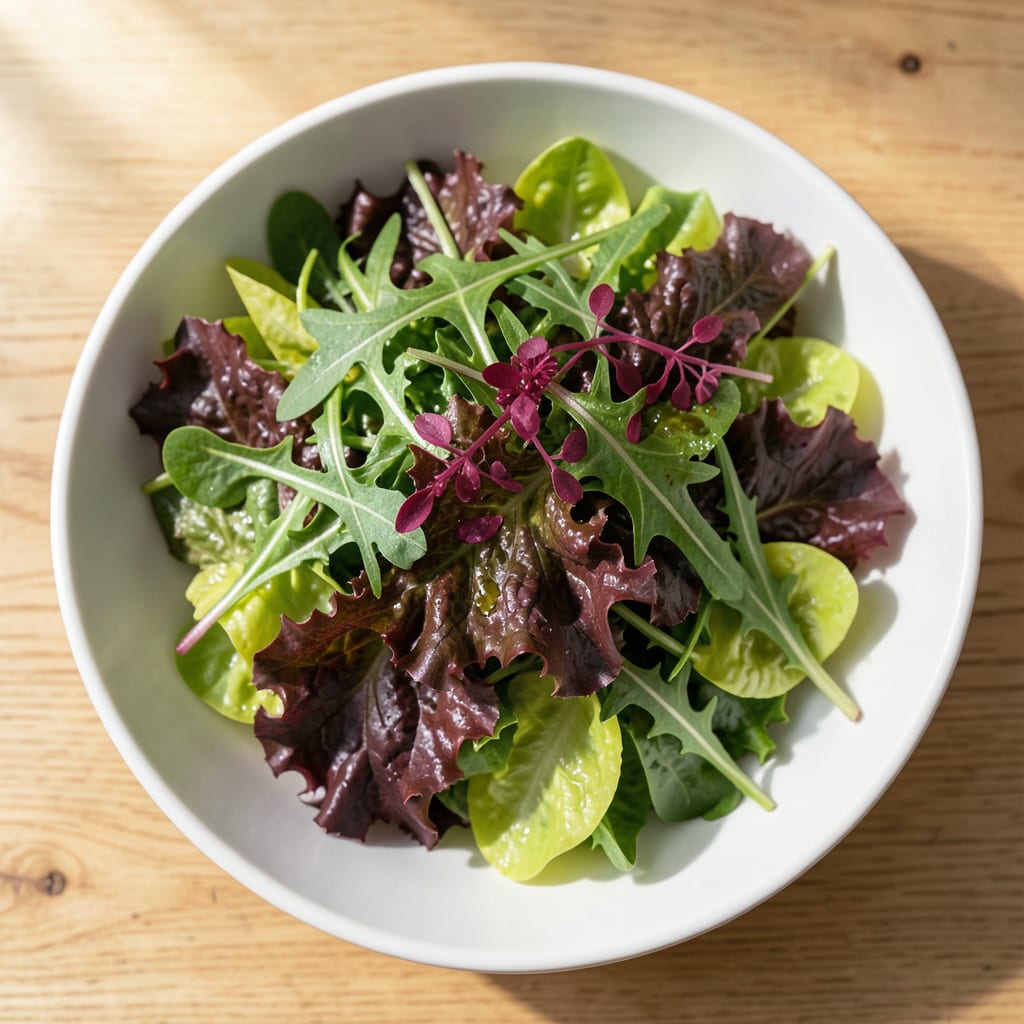
I used to think salad greens meant one harvest and done. Then I discovered these leaves—cut once, and they bounce back bigger and better every time.
You get fresh picks for 6-8 weeks from a single planting. No replanting, no waiting. Just steady greens ready when you are. Works in garden beds, containers, even shallow trays on a patio.
📚 In This Guide
This is my go-to method for keeping a steady supply of fresh leaves coming all season long.
Begin harvesting when plants reach 4-6 inches tall and have developed 3-4 sets of true leaves. I look for firm, upright growth rather than floppy stems—this indicates the plant has enough stored energy to regrow after cutting. Harvesting too early stresses young plants and leads to weak regrowth.
Real talk: if you wait until plants are 8-10 inches, you’ll get a bigger initial harvest, but the leaves may be tougher and more bitter. The sweet spot is right when you see that third set of leaves fully unfurled.
With clean, sharp scissors or pruning shears, cut the outer leaves first, leaving the central growing point intact. I make my cuts at a 45-degree angle about 1 inch above the soil line—this prevents water from pooling on the cut stem, which can lead to rot.
Never cut more than one-third of the plant at once. Removing too much foliage at once shocks the plant and slows regrowth. I’ve learned the hard way that greedy harvesting now means sparse pickings later.
After cutting, water the plants deeply at the base. The soil should feel evenly moist but not waterlogged when you press your finger in. I check the moisture daily for the first 3-4 days after harvesting—this is when plants need the most support to regrow.
Drip irrigation or a soaker hose works best, as it keeps water off the cut stems. Overhead watering can lead to disease, especially in the vulnerable regrowth period. You’ll see new leaves emerging from the center within 5-7 days if conditions are right.
Apply a balanced, water-soluble fertilizer at half strength 2-3 days after harvesting. I prefer a 10-10-10 or 5-5-5 formula because it provides equal parts nitrogen, phosphorus, and potassium—perfect for leafy regrowth. Avoid high-nitrogen fertilizers, which can lead to soft, leggy growth.
If you’re using organic methods, a fish emulsion or seaweed extract works beautifully. Whatever you choose, apply it when the soil is moist, never to dry roots. You should see a noticeable difference in regrowth rate within 7-10 days of feeding.
Most cut-and-come-again varieties regrow enough for another harvest in 10-14 days under ideal conditions. I monitor the plants closely—when the new leaves reach 3-4 inches, they’re ready for another trim. In cooler weather, regrowth may take 14-21 days.
Here’s the thing—if regrowth is slow or stunted, ease up on the harvesting frequency. Stress from too-frequent cutting or poor growing conditions will eventually exhaust the plant. I’ve found that giving plants an extra week between cuts during heatwaves or cold snaps keeps them productive longer.
Mastering the cut-and-come-again method comes down to a few key details.
Timing Secret: In Step 1, that 4-6 inch height isn’t arbitrary—it’s when plants have built enough energy reserves to regrow vigorously. Harvesting before this stage, even if leaves look big enough, will give you weak, sparse regrowth. I learned this the hard way after several disappointing harvests.
Technique Tip: In Step 2, the 45-degree angle and 1 inch height aren’t just aesthetics. That precise cut prevents water from collecting on the stem, which is crucial during the vulnerable 5-7 day regrowth period mentioned in Step 3. Always use sharp tools too—a clean cut heals faster than a ragged one.
Moisture Management: The 3-4 day watering schedule in Step 3 is critical. During this window, plants are most vulnerable to drought stress, which can delay that 5-7 day regrowth timeline. Check soil moisture daily by sticking your finger an inch into the dirt—if it feels dry, it’s time to water deeply at the base.
Fertilizer Strategy: That 2-3 day waiting period before fertilizing in Step 4 gives plants time to recover from the shock of harvesting. Applying fertilizer too soon can actually burn the fresh cuts. And remember, the 10-10-10 or 5-5-5 formula works because it supports balanced growth without encouraging weak, leggy stems.
You can start harvesting leaves when they’re 3–4 inches tall, typically 4–6 weeks after sowing. Snip outer leaves first, and the plant will regrow for another harvest in 7–14 days. Most varieties allow 3–5 harvests per season!
Try leaf lettuce (like ‘Black Seeded Simpson’), arugula, spinach, or Asian greens such as tatsoi. These regrow quickly and offer diverse flavors and textures for mixed salads.
Bitterness often comes from heat stress or over-maturity. Harvest younger leaves, provide shade during hot weather, and keep soil consistently moist. Choosing mild varieties like oakleaf lettuce also helps.
Yes! Use a sunny windowsill or grow lights. Choose shallow containers and harvest lightly to avoid stressing the plants. Herbs like cilantro or basil can also be grown this way for fresh picks year-round.
