
Beautiful Plants For Your Interior
Beautiful Plants For Your Interior
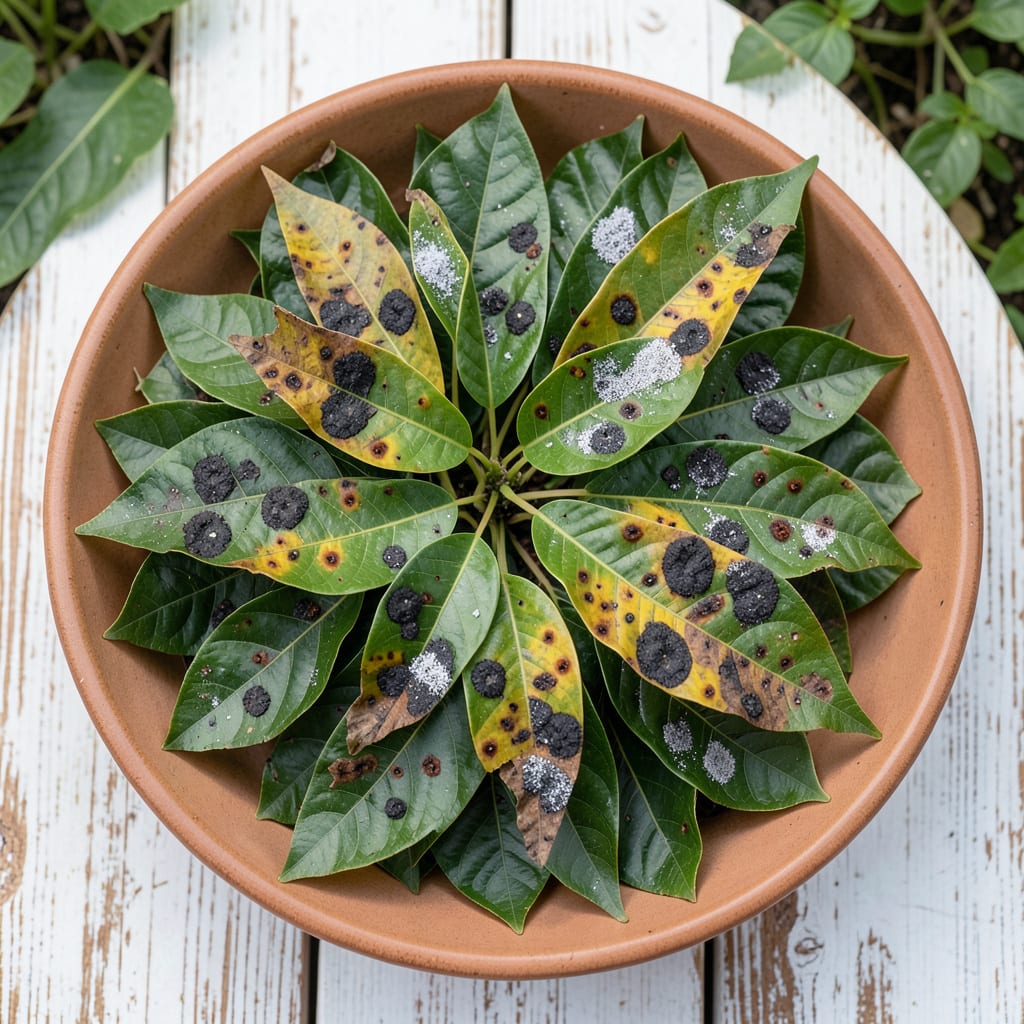
Yellowing leaves on your curry leaf tree aren’t just ugly—they’re a warning. I lost two plants before learning that most problems start with simple cultural mistakes we can fix.
Overwatering, poor drainage, or the wrong light conditions create the perfect environment for disease. The good news? A few adjustments to your care routine prevent 90% of common issues before they start.
Healthy plants resist pests and pathogens naturally. Once you understand what your tree actually needs—less water than you think, more light than you’d expect—the transformation is dramatic.
Works for potted plants, garden specimens, and everything in between. Here’s how to keep yours thriving.
The health of a curry leaf tree can decline due to several biological, environmental, and cultural factors. Understanding these root causes helps in implementing targeted prevention and care strategies.
Fungal infections, such as powdery mildew and leaf spot, thrive in humid, poorly ventilated conditions. These pathogens spread via airborne spores or contaminated soil, attacking leaves and stems. Overhead watering and dense foliage create ideal environments for fungal growth.
Common pests like aphids, scale insects, and whiteflies weaken the tree by feeding on sap, leading to stunted growth and yellowing leaves. These pests also introduce secondary infections, such as sooty mold, which further stresses the plant.
Improper watering (over or under), nutrient deficiencies, or incorrect pruning can stress the tree, making it susceptible to diseases. Overwatering, for example, leads to root rot, while nutrient-poor soil results in weak, disease-prone foliage.
Extreme temperatures, drought, or sudden weather changes can compromise the tree’s immune system. Curry leaf trees prefer warm, tropical climates; exposure to frost or prolonged dry spells disrupts their natural defenses.
Tackling curry leaf tree diseases starts with quick action and smart care. Below are targeted fixes for common issues, paired with prevention tips to keep your plant thriving. 🌿
Remove infected leaves immediately to stop the spread. Use copper-based fungicides or a neem oil spray (1 tbsp neem oil + 1 tsp dish soap + 1 quart water) every 7–10 days. Prevention: Avoid overhead watering—keep foliage dry, and space plants for airflow. 💡
For aphids, mealybugs, or scale, wipe leaves with a soapy water solution (1 tsp mild soap + 1 liter water) or introduce beneficial insects like ladybugs. Prevention: Inspect leaves weekly and maintain clean garden beds to deter pests. ✨
If roots are mushy or black, trim affected areas and repot in fresh, well-draining soil. Reduce watering until the plant recovers. Prevention: Use pots with drainage holes and a soil mix with perlite or sand. 🌡️
Yellowing leaves often signal a lack of nitrogen or iron. Apply a balanced organic fertilizer or chelated iron supplement. Prevention: Test soil annually and amend with compost for steady nutrient supply. 🎯
Pro Tip: Always sterilize pruning tools with rubbing alcohol between cuts to avoid spreading pathogens! 🔥
Look for yellowing leaves, brown spots, or sticky residue on foliage. These often indicate pests or fungal issues before they spread.
Yes! Soggy soil leads to root rot and creates a breeding ground for fungal pathogens. Always check soil moisture before watering.
Check leaves and stems weekly for early signs of pests or disease. Catching issues early makes treatment much easier.
Neem oil sprays and soapy water solutions effectively control many pests. For fungi, copper-based treatments are most reliable.
