
Beautiful Plants For Your Interior
Beautiful Plants For Your Interior
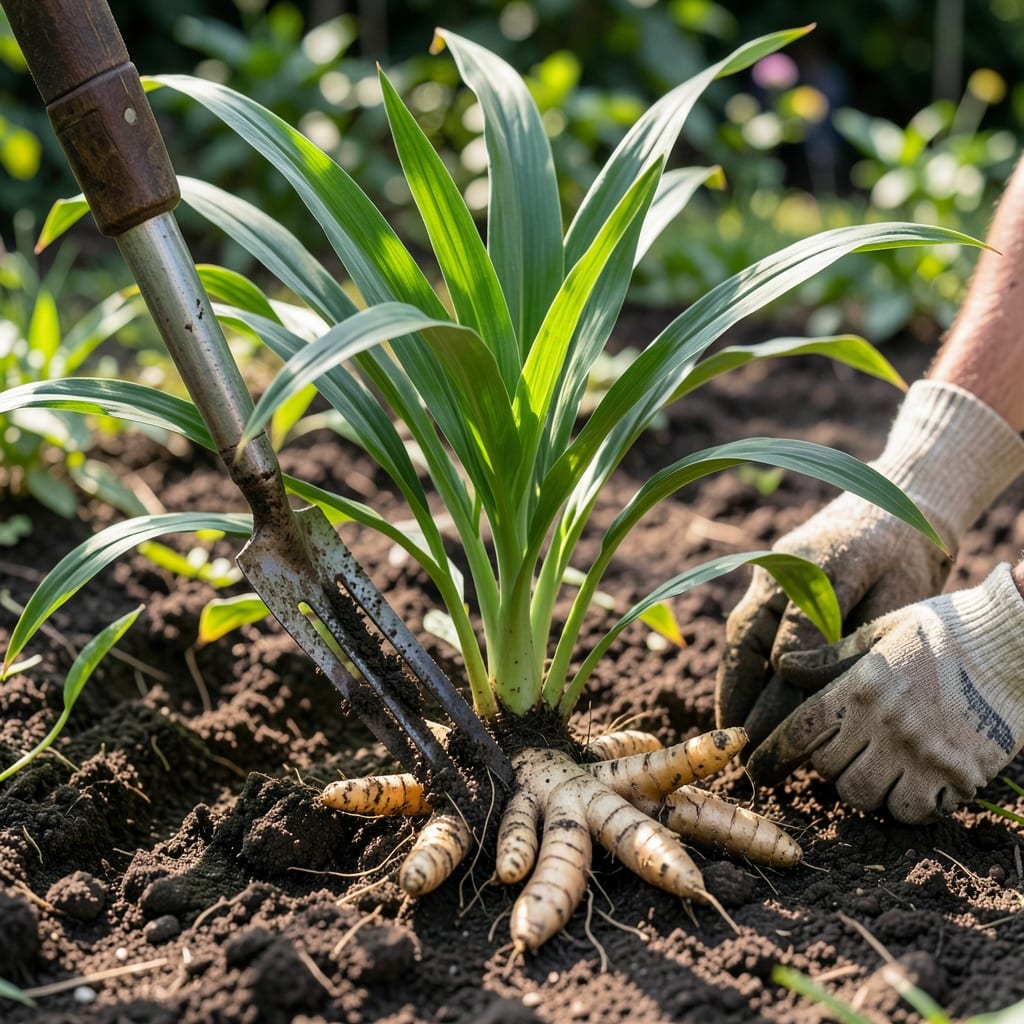
Ginger changed my garden game last summer. I planted a single root from the grocery store and harvested pounds of fresh rhizomes months later.
This project thrives in partial shade with rich, well-draining soil. The plants grow tall, tropical foliage that looks stunning in any garden, and the reward is a spicy, fresh harvest you can’t find in stores. No special equipment needed—just patience and the right conditions.
📚 In This Guide
Here’s the method I rely on for vibrant, flavorful rhizomes every time.
Start with a plump, healthy ginger root from the grocery store or nursery. Choose one with multiple eye buds (those small bumps where shoots will emerge). I soak mine in warm water overnight to remove any growth inhibitors and wake up the buds.
Look for organic ginger if possible—non-organic is often treated to prevent sprouting. Cut the root into 1-2 inch pieces, ensuring each has at least one eye. Let the cut surfaces dry and form a callus overnight to prevent rotting when planted.
Fill a shallow, wide container with rich, well-draining potting mix. Ginger prefers loose soil that retains moisture without staying soggy. I use a mix with 30% perlite or sand for better drainage.
Plant each piece 1 inch deep, eye buds facing upward. Space them 8-12 inches apart to give roots room to spread. Water lightly after planting—just enough to settle the soil. Too much water at this stage can cause the rhizomes to rot.
Ginger thrives in warm, humid conditions. Place the container in a spot with indirect light and temperatures between 75-85°F. A greenhouse or sunny windowsill works well, but avoid direct sunlight, which can scorch young shoots.
Mist the soil regularly to maintain humidity, especially if your home is dry. I place a tray of water near the plants to boost moisture in the air. Keep the soil consistently moist but not waterlogged—ginger hates soggy roots.
Once shoots appear (in 2-4 weeks), begin fertilizing every 4-6 weeks with a balanced, water-soluble fertilizer diluted to half strength. Ginger is a heavy feeder and benefits from regular nutrients.
As the plant grows, you’ll notice tall, reed-like stems with narrow leaves. If the weather is warm, move the container outside to a shaded patio. Keep an eye out for yellowing leaves, which often signal overwatering or poor drainage.
Ginger takes patience—it’s ready to harvest after 8-10 months. You can dig up small pieces as needed once the plant is 4-5 months old, but the rhizomes will be more potent and plentiful the longer you wait.
Use a hand trowel to carefully lift the rhizomes from the soil. Cut off what you need and replant the rest to continue growing. Fresh ginger has a thinner skin and a more vibrant, spicy flavor than store-bought.
Here’s what I’ve learned from growing ginger successfully year after year.
Selection Tip: In Step 1, always choose organic ginger when possible since non-organic is often treated to prevent sprouting. Look for plump rhizomes with multiple eye buds—these are your future shoots. Soaking overnight in warm water really does make a difference in waking up those buds.
Planting Depth: For Step 2, stick to that 1 inch depth when planting your pieces. Any deeper and the shoots may struggle to emerge, while too shallow can expose the rhizomes to drying out. The 8-12 inch spacing is crucial too—ginger roots spread wide and need room to grow.
Temperature Matters: Maintaining that 75-85°F range in Step 3 is non-negotiable. I’ve tried cooler spots and the growth was painfully slow. If your home runs cool, consider a seedling heat mat under the container. And don’t skip the humidity—ginger leaves will brown at the edges if the air is too dry.
Patience Pays Off: The 8-10 month timeline in Step 5 might seem long, but the flavor difference in homegrown ginger is worth the wait. If you can’t resist, you can start harvesting small pieces at 4-5 months, but the rhizomes will be smaller and less potent.
Ginger typically takes 8–10 months to mature. Plant in early spring for a fall harvest. Patience is key—rushing the process may yield smaller rhizomes.
Yes! Use a large pot with well-draining soil and place it in a warm, sunny spot. Indoor ginger thrives with consistent moisture and temperatures above 70°F.
Watch for root rot (from overwatering) and pests like aphids or spider mites. Ensure good drainage and use organic pesticides if needed.
Absolutely! Choose firm, organic ginger with visible buds (eyes). Soak it overnight to encourage sprouting before planting.
Harvest when leaves turn yellow, usually in late summer or early fall. For baby ginger, dig up small sections after 4–5 months.