
Beautiful Plants For Your Interior
Beautiful Plants For Your Interior
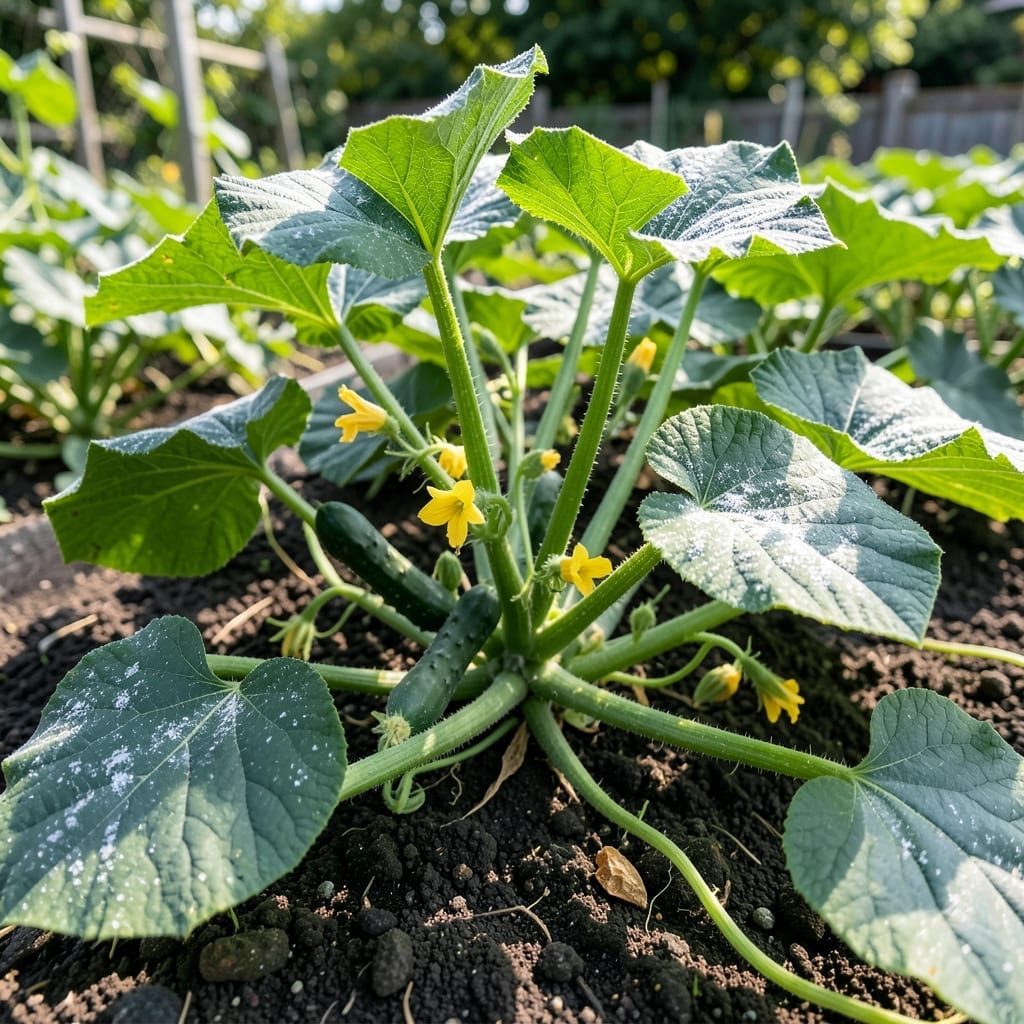
White mold on cucumbers sneaks in fast and spreads faster. I lost half my crop to it last summer before learning how to spot the early warning signs—powdery growth on leaves and stems that looks like someone dusted them with flour.
This fungus thrives in cool, wet conditions, which is why my early plantings were hit hardest. The key is catching it before it turns leaves yellow and crispy. Once you know what to look for, you can stop it in its tracks with simple, organic methods.
With the right approach, your plants will bounce back quickly. The difference between a failed harvest and a productive season often comes down to acting within the first few days of noticing symptoms.
Works for garden beds, raised planters, and even container cucumbers. Here’s how to protect your vines before it’s too late.
White mold in cucumbers is primarily driven by environmental and cultural factors that create ideal conditions for the pathogen Sclerotinia sclerotiorum to thrive. Understanding these causes helps gardeners take targeted preventive action.
The fungus flourishes in cool, damp environments. When cucumber plants are crowded or grown in areas with stagnant air, moisture lingers on leaves and stems, encouraging spore germination. Relative humidity above 85% and temperatures between 50–75°F (10–24°C) are especially conducive to infection.
Wetting the foliage during irrigation provides the moisture white mold needs to infect plant tissues. Splashing water can also spread spores from soil or infected debris to healthy plants. Drip irrigation or watering at the base reduces this risk significantly.
The pathogen survives in soil as hard, black structures called sclerotia, which can remain dormant for years. Infected plant debris left in the garden or compost pile reinfects new crops. Crop rotation and removing old plant material after harvest disrupt this cycle.
Some cucumber cultivars lack genetic resistance to white mold. Plants with dense canopies or thick foliage trap moisture, worsening the problem. Choosing resistant varieties (e.g., ‘Diva’ or ‘Straight Eight’) and pruning excess leaves can improve airflow and reduce susceptibility.
White mold on cucumbers can feel like a garden emergency, but with quick action, you can save your crop. Here’s how to tackle the most common causes and prevent future outbreaks:
Dense foliage traps moisture, creating the perfect breeding ground for Sclerotinia sclerotiorum. Thin out plants to allow airflow between leaves and stems. Space cucumber vines at least 18–24 inches apart. For trellised plants, prune excess leaves at the base to open up the canopy. Use a small fan on low speed in greenhouses to keep air moving.
Water at the base of the plant early in the morning so leaves dry quickly in the sun. Avoid overhead sprinklers, especially in the evening. Drip irrigation is ideal—it keeps foliage dry while delivering water directly to the roots. If your garden soil stays soggy, improve drainage by amending with compost or sand.
Pro tip 💡: Mulch with straw (not wood chips) to prevent soil splash, which can spread spores.
White mold spores can live in the soil for years. Rotate cucumbers with non-host crops like corn, beans, or carrots for at least 3 years. Remove and destroy (do not compost!) any infected plant debris. Solarize soil in small beds by covering with clear plastic for 4–6 weeks in hot weather to kill spores.
Plant cucumber varieties with some resistance to white mold, such as ‘Diva’, ‘Corinto’, or ‘Suyo Long’. While no variety is immune, resistant types slow the spread and give you more time to act.
Pro tip 🎯: Start seeds indoors in clean potting mix to avoid early soil-borne infection.
With consistent care and a few smart habits, you can stop white mold in its tracks and keep your cucumbers thriving.
It appears as a white, powdery growth on leaves and stems, resembling flour dust. As it progresses, leaves turn yellow and brown, becoming crispy. Check undersides of leaves first, where it often starts.
Yes, if caught early. Remove and destroy infected leaves immediately. Improve airflow and switch to drip irrigation. Apply organic fungicides like neem oil or baking soda spray to healthy areas.
White mold spores can persist for 3-5 years in soil. Rotate crops and avoid planting cucumbers or related plants (like squash) in the same spot for at least 3 years.
Yes, it can infect over 400 plant species, including beans, lettuce, and tomatoes. Isolate affected plants and clean tools after handling to prevent spreading.