
Beautiful Plants For Your Interior
Beautiful Plants For Your Interior
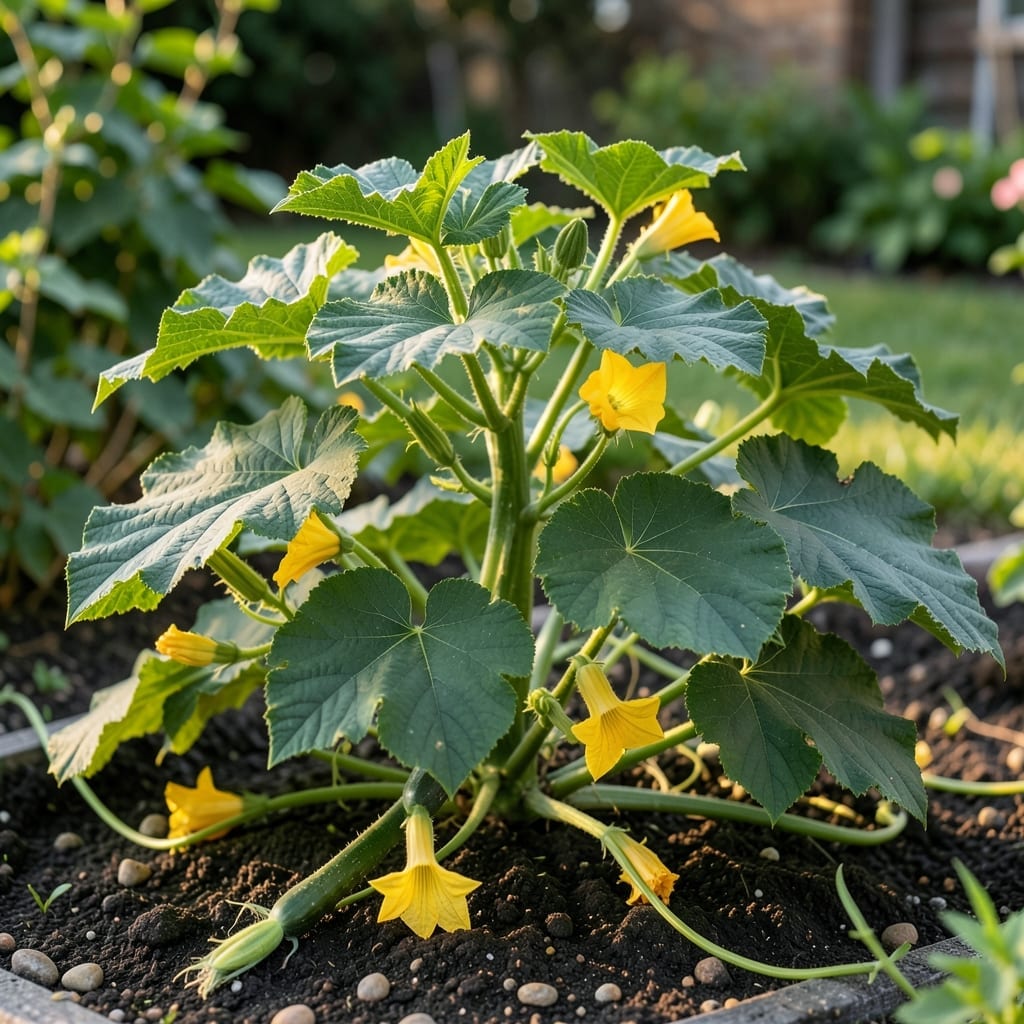
Nothing’s more frustrating than watching cucumber vines sprawl with no fruit in sight. I’ve been there—lush green leaves, strong stems, but zero cucumbers. The problem is usually simpler than you’d think.
Pollination issues, nutrient imbalances, or even stress from inconsistent watering can shut down production. Most fixes take less than a week to show results once you pinpoint the cause.
You’ll start seeing baby cucumbers form once the plants get what they’re missing. The solution often comes down to adjusting your routine, not overhauling your entire garden.
Works for container gardens, raised beds, or in-ground plots. Here’s how to turn those barren vines into productive powerhouses.
Several factors can stall cucumber production, often tied to environmental, nutritional, or biological stressors. Below are the most common causes, explained with actionable insights.
Cucumbers thrive in 70–90°F (21–32°C) soil and air temperatures. Below 50°F (10°C), pollen fails to germinate, halting fruit formation. Above 95°F (35°C), flowers may drop prematurely. Use row covers in cool climates or shade cloth during heatwaves to stabilize conditions.
Fluctuating moisture levels cause bitter fruit or blossom-end rot, but they also trigger plant stress that aborts flowers. Cucumbers need 1–2 inches of water per week, delivered consistently at the base (avoid wetting foliage). Drip irrigation systems reduce evaporation and prevent fungal issues.
Most cucumber varieties require pollination by bees or other insects. If pollinators are scarce (e.g., due to pesticides or lack of biodiversity), flowers won’t set fruit. Plant pollinator-friendly flowers nearby (like marigolds or alyssum) and avoid broad-spectrum insecticides during flowering.
Low nitrogen causes stunted growth and pale leaves, while phosphorus or potassium shortages reduce flowering. Test soil and amend with compost or a balanced fertilizer (e.g., 10-10-10). Over-fertilizing with nitrogen, however, promotes leafy growth at the expense of fruit.
Sap-sucking pests like aphids or cucumber beetles weaken plants, while diseases such as powdery mildew or bacterial wilt damage foliage and limit photosynthesis. Inspect plants weekly, remove pests manually, and apply neem oil or copper fungicides preventatively.
If your cucumber plants are sluggish, these targeted fixes will get them back on track. Address each issue systematically for the best results.
Cucumbers need pollen to move from male to female flowers. If bees are scarce, use a small paintbrush to gently transfer pollen from male blooms (long stems) to female blooms (tiny cucumber at the base). Prevention tip: Plant pollinator-friendly flowers like marigolds nearby to attract bees. 💡
Cucumbers hate dry spells and soggy roots. Water deeply 1–2 times per week (more in heatwaves), keeping soil moist but not waterlogged. Drip irrigation or soaker hoses prevent fungal issues. Prevention tip: Mulch with straw to retain moisture and regulate soil temperature. 🌡️
Yellow leaves or stunted growth? Your plants may need a balanced fertilizer (10-10-10) or a boost of nitrogen (for foliage) or potassium (for fruiting). Side-dress with compost every 3–4 weeks. Prevention tip: Test soil before planting to tailor amendments. ✨
Cucumbers crave 6–8 hours of sunlight daily. If your garden is shady, move pots to sunnier spots or trim overhanging branches. For vertical gardens, ensure trellises face south. Prevention tip: Start seeds in full-sun areas from the get-go. 🎯
Cucumber beetles or aphids? Spray with neem oil or introduce ladybugs. For severe infestations, use row covers early in the season. Prevention tip: Rotate crops yearly to disrupt pest cycles. 🔥
Typically 8–10 days after successful pollination. If flowers drop without forming fruit, pollination likely failed.
No, parthenocarpic (seedless) types like ‘Diva’ or ‘Corinto’ set fruit without pollination. Great for greenhouses or areas with few bees.
Too much nitrogen! Switch to a low-nitrogen, high-phosphorus fertilizer to encourage flowering. 5-10-10 works well.
Yes! Soggy soil suffocates roots and stresses plants. Water only when the top 1–2 inches of soil feel dry.