
Beautiful Plants For Your Interior
Beautiful Plants For Your Interior
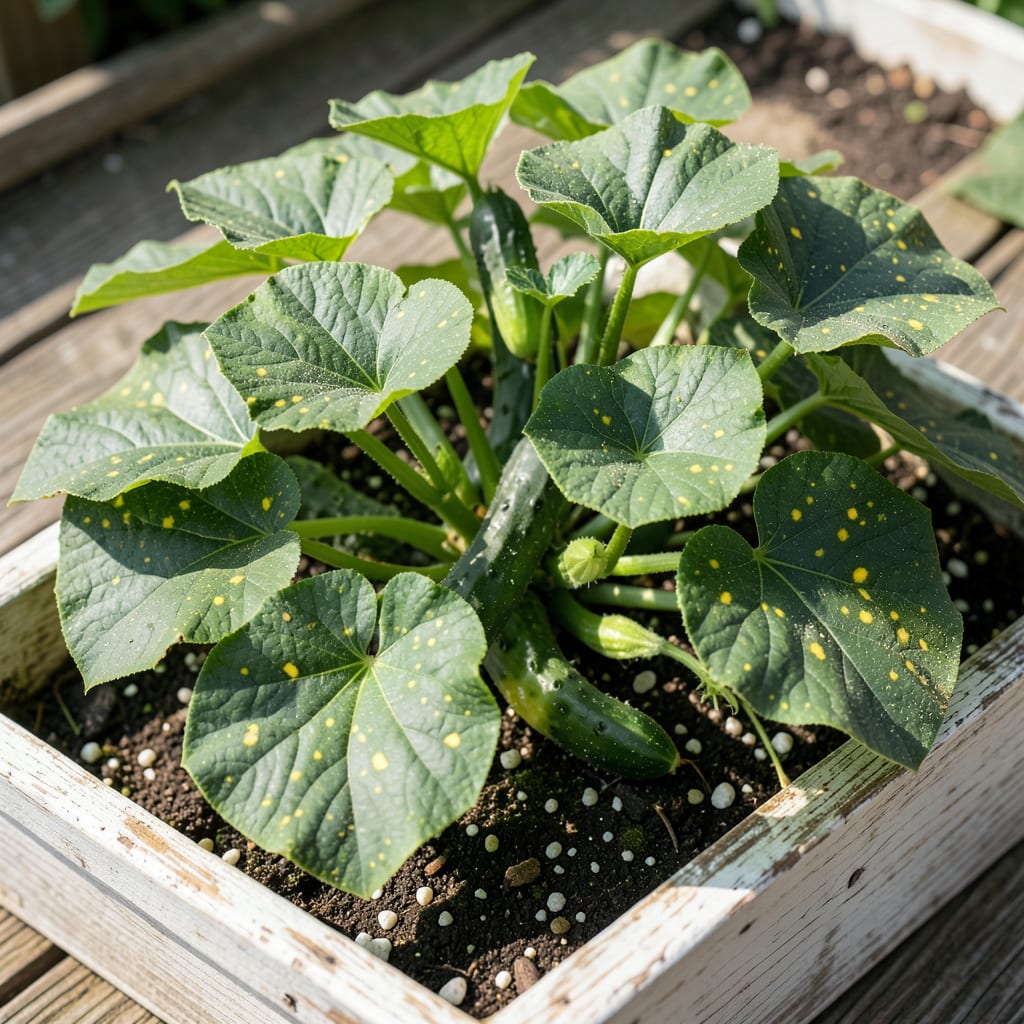
Those yellow spots on your cucumber leaves aren’t just ugly—they’re a warning sign. I’ve seen healthy plants turn into spotted messes in 48 hours when ignored.
Early detection is everything. The culprit could be fungal disease, hungry pests, or even just thirsty roots. Each leaves a slightly different pattern, and I’ll help you tell them apart.
You’ll learn to spot the difference between downy mildew’s fuzzy patches and spider mite damage. The right fix at the right time saves your harvest.
Prevention beats treatment every time. Simple changes in watering, spacing, and air flow keep your plants spot-free all season.
Yellow spots on cucumber plants are often a sign of underlying issues that can range from fungal infections to nutrient deficiencies. Here’s a breakdown of the most common causes:
Fungi like Alternaria or Cercospora thrive in wet, humid conditions, leading to circular yellow or brown spots on leaves. These pathogens spread quickly, often starting as small discolorations that expand over time. Overhead watering and poor air circulation exacerbate the problem.
Pests such as spider mites and aphids pierce plant tissues to feed, causing yellow stippling or spots. Their damage weakens the plant and can introduce secondary infections. Check the undersides of leaves for tiny insects or webbing.
A lack of essential nutrients, particularly magnesium or potassium, can manifest as yellow spots between leaf veins. Magnesium deficiency often appears as interveinal chlorosis, while potassium deficiency may cause yellowing at leaf edges.
Excessive sunlight, heat, or inconsistent watering can stress cucumber plants, leading to yellow spotting. Sunburn appears as bleached patches, while water stress causes uneven yellowing. Ensure consistent moisture and shade during peak heat.
Bacterial leaf spot, caused by Pseudomonas syringae, creates small, water-soaked yellow spots that later turn brown. These lesions often have a greasy appearance and can merge to form larger dead patches.
Once you’ve identified the cause of those pesky yellow spots on your cucumber plants, it’s time to take action. Below are targeted solutions for common issues, along with prevention tips to keep your plants thriving.
Fix: Remove infected leaves immediately to prevent spread. Apply a copper-based fungicide or a baking soda spray (1 tsp baking soda + 1 quart water + a few drops of dish soap) every 7–10 days. For severe cases, use neem oil as a natural treatment.
Prevention: Space plants properly for airflow, water at the base (not overhead), and avoid working with wet foliage. Rotate crops yearly to reduce soil-borne pathogens.
Fix: Test your soil to confirm deficiencies. For nitrogen lack, add compost or a balanced fertilizer (10-10-10). Yellowing between leaf veins (magnesium deficiency) can be fixed with Epsom salt (1 tbsp per gallon of water) sprayed on leaves. Potassium shortages may require wood ash or a potassium-rich fertilizer.
Prevention: Enrich soil with organic matter before planting. Use a slow-release fertilizer during the growing season.
Fix: Blast aphids or spider mites off with water, then apply insecticidal soap or neem oil. For cucumber beetles, use row covers early in the season or handpick them off. Yellow sticky traps can help monitor and reduce whitefly populations.
Prevention: Encourage beneficial insects like ladybugs and lacewings. Plant companion flowers like marigolds or nasturtiums to deter pests.
Fix: If overwatering is the issue, let the soil dry slightly between waterings. For underwatering, deep-soak the roots and mulch to retain moisture. Shield plants from extreme heat with shade cloth if temperatures soar above 90°F.
Prevention: Maintain consistent watering (1–2 inches per week) and mulch with straw to regulate soil temperature and moisture.
💡 Pro Tip: Always sanitize gardening tools between uses to avoid spreading diseases between plants!
Not always. While diseases often cause them, they can also appear from pest damage, nutrient shortages, or heat stress. Check for insects under leaves first.
Yes, too much water can lead to root rot, which may show up as yellowing leaves. Always check soil moisture 2 inches down before watering.
Fungal infections can spread rapidly, sometimes covering a plant in 48-72 hours under wet conditions. Act fast to remove infected leaves.
Rarely. Most cases need intervention like better airflow, fungicides, or pest control. The plant won’t recover without addressing the root cause.
