
Beautiful Plants For Your Interior
Beautiful Plants For Your Interior
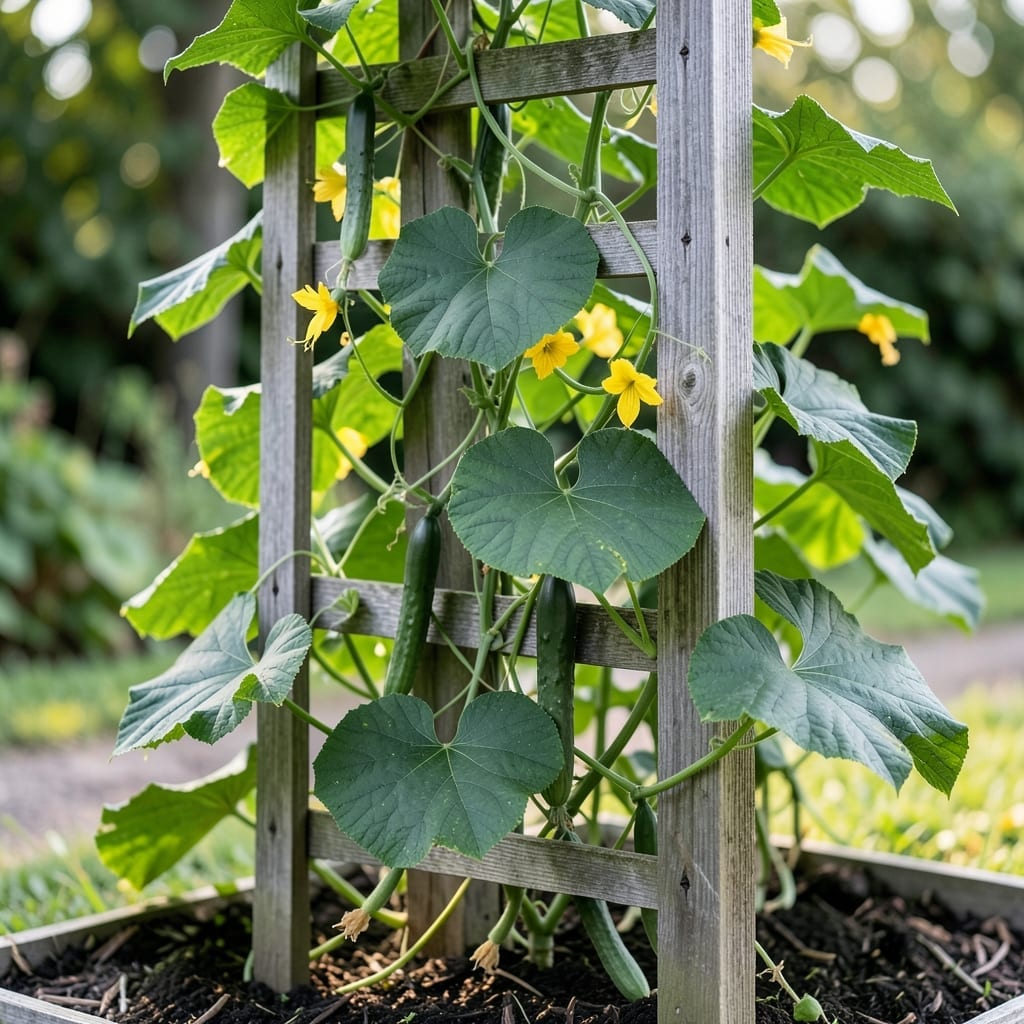
Cucumber plants thrive in warm conditions, but getting the temperature just right is the key for healthy growth. Too hot or too cold can stunt development or even kill your 🥒 plants.
As a gardener, I know how frustrating it can be to watch your Cucumber struggle because of temperature swings. Whether you’re a beginner or seasoned pro, understanding these thresholds makes all the difference.
Discover how to create the perfect environment for your Cucumbers to flourish. From germination to harvest, temperature plays a crucial role at every stage.
Let me walk you through the ideal ranges and practical tips to keep your plants happy. You’ll be amazed at how much easier growing becomes with this knowledge.

If you want healthy cucumber plants, temperature is everything. I’ve learned that these warm-season crops need consistent warmth to thrive, but there’s a sweet spot that balances growth and stress prevention.
Daytime temperatures between 70-90°F are ideal for photosynthesis and fruit development. Below 60°F, growth slows dramatically, and frost will kill them instantly.
At night, cucumber plants prefer 60-70°F. Cooler nights slow metabolism, while warmer ones can stress them, especially during flowering stages. Consistency is key.
Germination requires warmth—soil temps below 60°F will delay or prevent sprouting. I always use a soil thermometer to check before planting. It’s a game-changer for early starts.
Once plants are established, heat above 95°F can cause blossom drop or bitter fruit. In my garden, I use shade cloth during peak summer to keep temps in the ideal range.
For container-grown cucumbers, remember that pots heat up faster. I move mine to shadier spots when forecasts predict heatwaves. It’s a simple fix that saves my harvest.
Cold snaps are another threat. Even 50°F nights can stunt growth. I’ve lost plants by planting too early—wait until all frost danger has passed in your zone.
If you’re growing cucumbers in cooler climates, consider black plastic mulch. It warms the soil 2-3°F, which can make all the difference for early planting.
Monitoring daily temperature swings helps too. I’ve noticed that 10°F drops at night can stress plants, so I adjust care accordingly. A little attention goes a long way. 🌱
I’ve learned that cucumber plants show clear signs when they’re under temperature stress. Watch for wilting leaves during hot afternoons or yellowing foliage when nights get too cold. These are your plant’s way of saying it’s uncomfortable.
Another red flag is stunted growth or leaf scorch. If your cucumbers aren’t growing as expected, or the leaves develop brown edges, it could mean they’re baking in excessive heat or shivering in chilly conditions. ☀️
For heat stress, I recommend providing afternoon shade with a shade cloth or ensuring the soil stays consistently moist. Mulching can also help regulate soil temperature and retain moisture.
If cold stress is the issue, try using row covers or cloches to trap heat. Starting seeds indoors or using black plastic mulch can warm the soil faster in spring. These small adjustments can make a big difference. 🌿
Don’t forget to check the forecast regularly. If a cold snap is coming, cover your plants overnight. For heat waves, water deeply in the early morning to prepare them for the day ahead.
By catching these early warning signs and acting quickly, you can help your cucumber plants recover and thrive. It’s all about staying vigilant and responsive to their needs. 🪴