
Beautiful Plants For Your Interior
Beautiful Plants For Your Interior
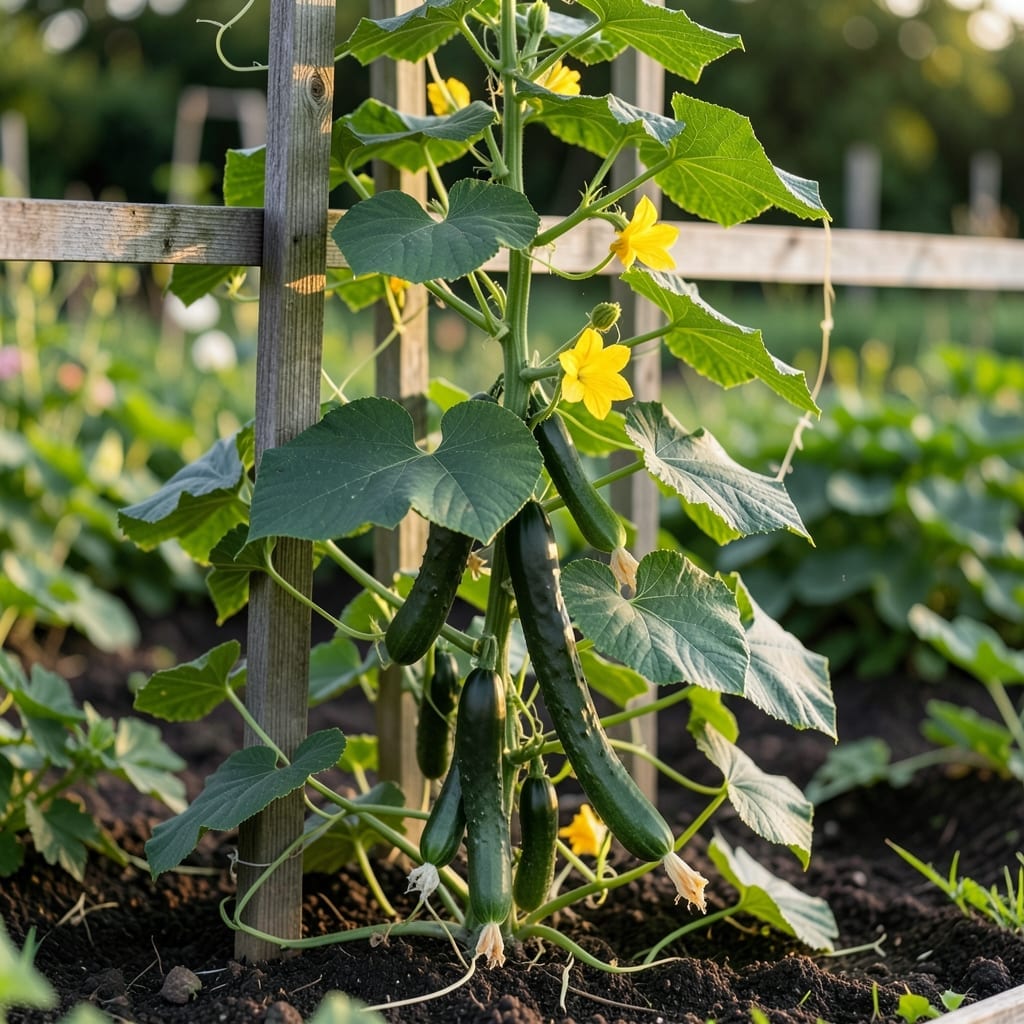
Cucumber leaves offer anti-inflammatory, antioxidant, and diuretic properties, supporting skin health, digestion, and blood sugar regulation. They’re also rich in vitamins A, C, and K.
I’ve found these leaves particularly effective for soothing skin irritations due to their vitamin K content, which aids in healing. They also contain flavonoids that help manage blood sugar spikes, making them a great addition to diabetic-friendly diets. 💫
For best results, I steep fresh leaves in hot water for tea or blend them into smoothies to unlock their full nutritional potential.
💡 In This Article
Cucumber leaves pack a powerful nutritional punch with vitamin K at 48.5 mcg per 100g, which plays a crucial role in blood clotting and bone metabolism. They also contain vitamin A (3,860 IU per 100g) that supports vision and immune function by maintaining epithelial cell integrity. 🔥
The antioxidant capacity comes from flavonoids like quercetin and kaempferol, which neutralize free radicals. These compounds are 10-20 times more concentrated in leaves than in the cucumber fruit itself. The leaves also contain ascorbic acid (vitamin C) at 28.1 mg per 100g, boosting collagen production.
Mineral-wise, cucumber leaves provide calcium (135 mg per 100g) for bone health and potassium (320 mg per 100g) that helps regulate fluid balance. Their diuretic effect stems from cucurbitacins, which increase urine output while flushing excess sodium. ✨
What makes these nutrients particularly effective is their bioavailability. The leaf’s cell walls contain pectin that helps slow sugar absorption in the gut, explaining their blood sugar-regulating properties. The chlorophyll content also provides detoxifying benefits by binding to heavy metals.
For comparison, cucumber leaves contain 3 times more vitamin K than spinach and twice the antioxidants of green tea. This nutritional density makes them a powerhouse for skin repair, as vitamin C and A work synergistically to promote cell turnover and reduce inflammation. 💫
Yes, young leaves are safe to eat raw and have a mild, slightly bitter taste. They’re great in salads or smoothies. Older leaves may be tougher, so steam for 2-3 minutes to soften. Always wash thoroughly first.
The pectin in their cell walls slows sugar absorption in the gut. Flavonoids like quercetin also help regulate glucose levels. Regular consumption may support stable blood sugar.
Use 1 teaspoon dried leaves per 1 cup hot water. Steep for 10 minutes for maximum benefit. Fresh leaves work too but may require more.
Place in an airtight container lined with paper towel. Refrigerate for up to 3 days. Avoid washing until ready to use to prevent wilting.