
Beautiful Plants For Your Interior
Beautiful Plants For Your Interior
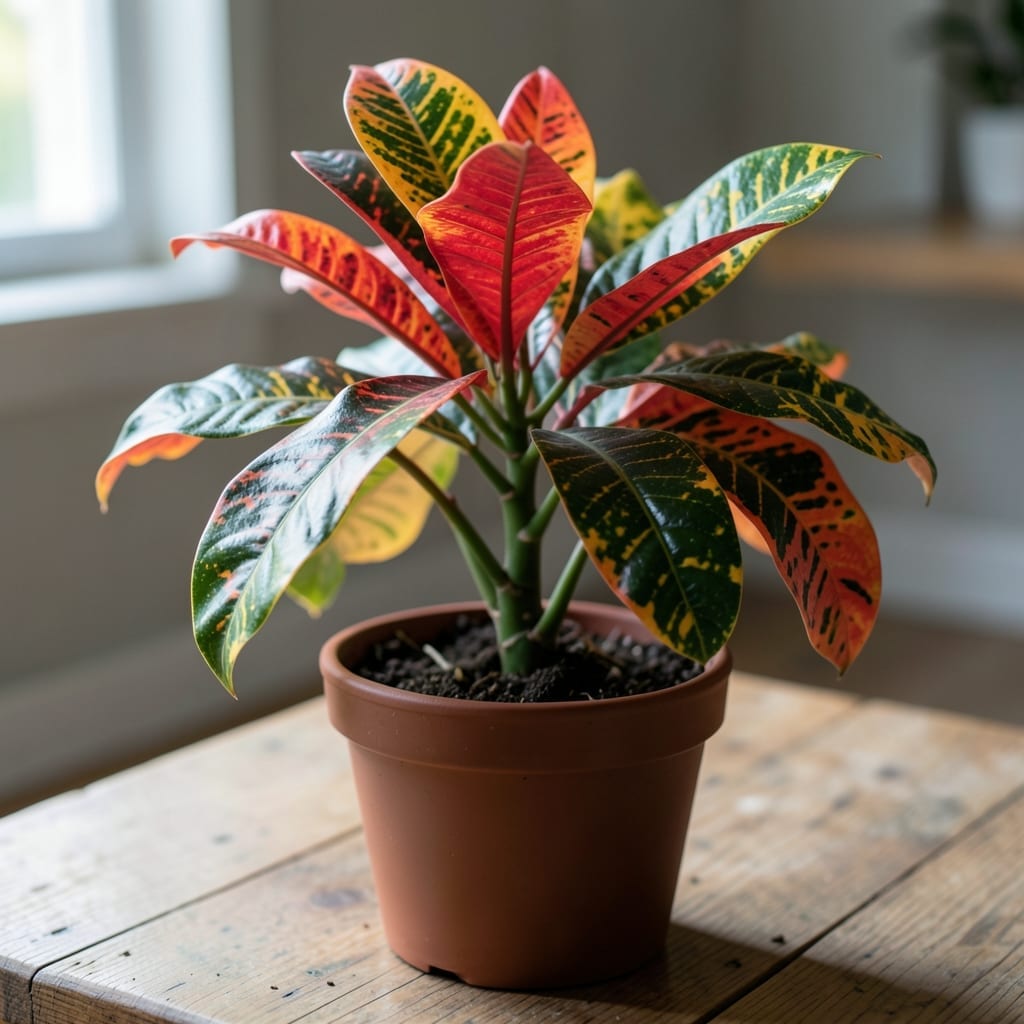
Your croton’s leaves suddenly look like they’ve given up. I’ve been there—watching those vibrant colors droop overnight is heartbreaking, but the good news is it’s usually an easy fix.
Most cases come down to watering issues, either too much or too little. I’ve saved more crotons by checking the soil first before assuming the worst. The fix often takes just 24-48 hours once you adjust.
Light and humidity play big roles too. These tropical plants hate drafts and dry air almost as much as soggy roots. A simple move to a brighter spot or a humidity tray can work wonders.
Don’t toss that plant yet. With a few tweaks, those leaves will bounce back faster than you think.
Croton plants are tropical beauties, but their leaves can droop when something’s off. Here’s why it happens, broken down by the most likely culprits:
Crotons thrive on consistent moisture—not too much, not too little. Underwatering causes leaves to wilt and droop as the plant conserves water. Meanwhile, overwatering suffocates roots, leading to root rot, which disrupts nutrient uptake. Check the soil: if it’s bone-dry or waterlogged, adjust your watering routine.
Too little light weakens crotons, causing leggy growth and drooping leaves. Conversely, direct, harsh sunlight can scorch leaves, leading to stress and wilting. These plants prefer bright, indirect light—think east or north-facing windows. If leaves look faded or crispy, it’s a sign of light imbalance.
As tropical natives, crotons hate drafts, cold snaps, or dry air. Temperatures below 50°F (10°C) or sudden changes can shock the plant, causing leaves to droop. Low humidity (<40%) also stresses them. Keep them in stable environments (60–80°F) and mist regularly or use a humidifier.
Sap-sucking pests like spider mites, mealybugs, or scale weaken crotons by draining vital fluids, leading to drooping. Inspect leaf undersides for webs, white cottony spots, or sticky residue. Treat with neem oil or insecticidal soap at the first sign of trouble.
If roots are circled or packed tightly in the pot, they can’t absorb water or nutrients efficiently, causing droop. Repot every 1–2 years in well-draining, peat-based soil. Compacted or poor-quality soil also restricts growth—opt for a mix with perlite or sand for aeration.
If your croton’s leaves are drooping, don’t panic—most issues are fixable with a few simple adjustments. Here’s how to address the most common causes and bring your plant back to its vibrant self.
If the soil feels dry and the leaves are crispy, your croton is thirsty. Water deeply until it drains from the bottom, ensuring the roots absorb moisture. Prevention tip: Check the top inch of soil weekly—if it’s dry, it’s time to water. 💡 Use a moisture meter for precision.
Yellowing leaves and soggy soil signal overwatering. Stop watering immediately and let the soil dry out. If root rot is suspected, trim black, mushy roots and repot in fresh, well-draining soil. Prevention tip: Always use pots with drainage holes and a chunky, airy potting mix. 🎯
Crotons need bright, indirect light to thrive. Move your plant to a spot with 4–6 hours of filtered sunlight daily. South- or east-facing windows are ideal. Prevention tip: Rotate the pot monthly for even growth. ☀️
Drooping can occur if temperatures dip below 60°F (15°C) or spike above 85°F (29°C). Keep your croton in a stable, draft-free area away from AC vents, heaters, or cold windows. Prevention tip: Aim for 65–80°F (18–27°C) year-round. 🌡️
Inspect the leaves and stems for pests like spider mites or mealybugs. Wipe leaves with neem oil or insecticidal soap weekly until pests are gone. Prevention tip: Mist leaves regularly to deter mites and keep foliage clean. 🐜
Water when the top 1-2 inches of soil feel dry. This usually means watering every 5-7 days, but adjust based on your home’s humidity and light. Always use a pot with drainage holes.
Yes, if the issue is minor like temporary underwatering. Leaves typically perk up within 24-48 hours after proper care. Severely damaged leaves may not recover, but new growth will appear.
Repotting shocks the roots, causing temporary stress. Drooping is normal for 1-2 days as the plant adjusts. Avoid fertilizing for 2-3 weeks and keep it in stable conditions.
Brown spots often indicate permanent damage from underwatering or pest activity. While the leaf won’t recover, removing it helps the plant focus energy on new growth. Check for pests if spots spread.