
Beautiful Plants For Your Interior
Beautiful Plants For Your Interior
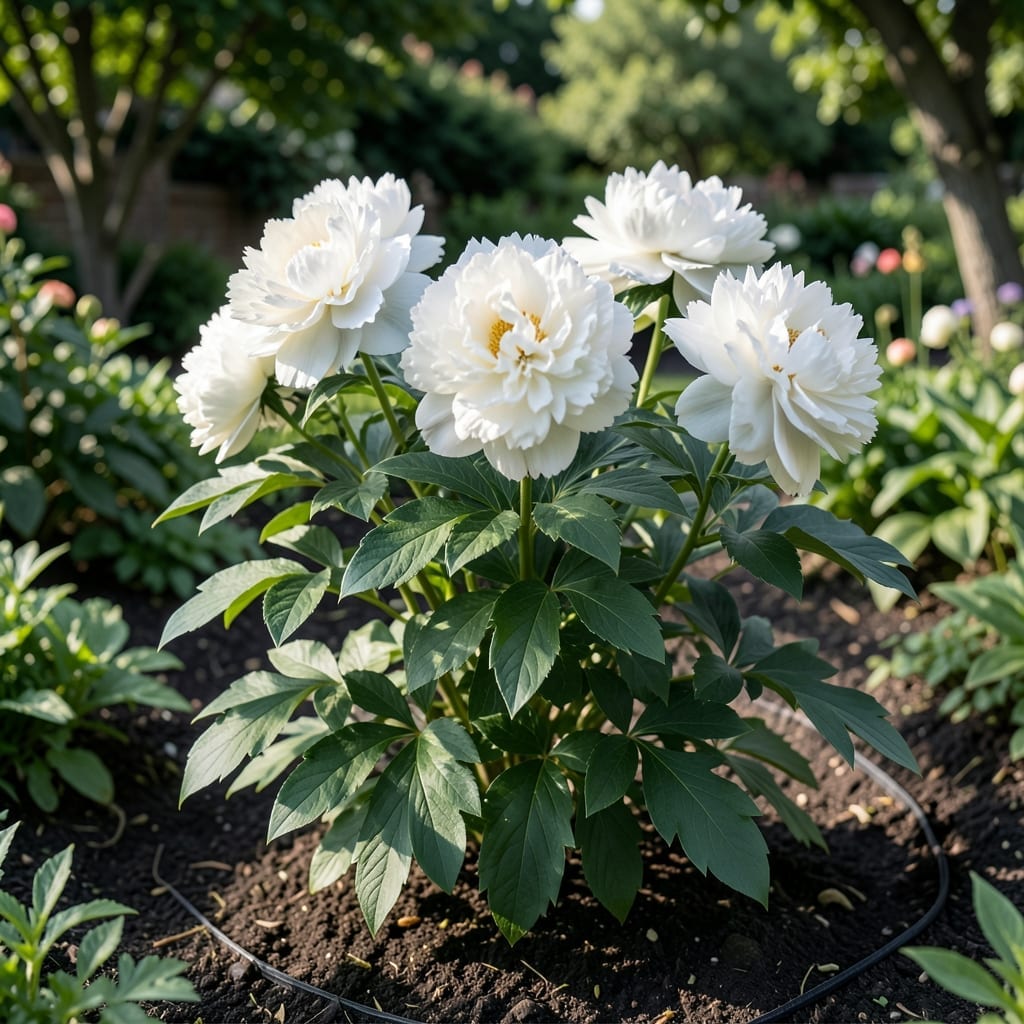
There’s nothing like watching crinkle white peonies unfurl their delicate petals each spring. I’ve grown them for years, and their stunning blooms never fail to impress.
These plants thrive with minimal effort—just the right soil, sunlight, and a little patience. You’ll be rewarded with luxurious flowers that brighten your garden for years to come.
📚 In This Guide
These proven steps ensure vigorous plants and abundant blooms every spring without fail.
Select a spot with full sun (at least 6-8 hours daily) and well-draining soil. Crinkle white peonies thrive in locations protected from strong winds, which can damage their heavy blooms. I’ve found that a gentle morning sun exposure with afternoon shade in hotter climates prevents petal scorch.
Test drainage by digging a 12-inch deep hole and filling it with water. If it drains within 1 hour, the soil is ideal. If water lingers, amend with compost or choose a raised bed. Avoid low-lying areas where water pools after rain.
Peonies demand rich, fertile soil with a slightly acidic to neutral pH (6.5-7.0). Work in 2-3 inches of well-aged compost or organic matter into the top 18 inches of soil. This improves both drainage and nutrient retention.
If your soil is heavy clay, mix in coarse sand or perlite to prevent root rot. I always add a handful of bone meal to the planting hole for a phosphorus boost—this encourages strong root development and prolific flowering.
Dig a hole 18 inches wide and 12 inches deep. Place the peony root so the “eyes” (buds) are no deeper than 2 inches below soil level. Planting too deep is the most common mistake—I’ve seen it delay blooming for years.
Backfill with amended soil, gently firming it around the roots to eliminate air pockets. Water thoroughly to settle the soil, then add a 2-inch layer of mulch to retain moisture and suppress weeds. Keep the mulch away from the stem to prevent rot.
Water deeply once a week during the first growing season, ensuring the soil stays evenly moist but not soggy. Once established, peonies are drought-tolerant but bloom best with consistent moisture. I reduce watering in late summer to encourage dormancy.
Fertilize lightly in early spring with a balanced 10-10-10 fertilizer, avoiding high-nitrogen options that promote foliage over flowers. Stake heavy blooms if needed to prevent stems from bending—crinkle white peonies often produce large, showy flowers that can weigh down the plant.
Deadhead spent blooms to prevent seed formation, which diverts energy from root and flower development. In late fall, cut back foliage to 3-4 inches above ground after the first frost. This removes potential disease harbors.
Divide clumps every 3-5 years if blooms diminish or the center of the plant dies out. Replant the healthiest divisions with 3-5 eyes each for the best results. With proper care, your crinkle white peony will reward you with decades of stunning spring displays.
Here’s what I’ve learned from years of growing these stunning flowers successfully.
Sunlight Strategy: The 6-8 hours of daily full sun is non-negotiable for vigorous blooms. In hotter climates, I’ve found that morning sun with afternoon shade prevents petal scorch while still meeting the light requirement. Avoid shady spots entirely—they’ll give you foliage but few flowers.
Drainage Test: That 12-inch hole drainage test in Step 1 is your best insurance against root rot. If water doesn’t drain within exactly 1 hour, amend the soil with compost or consider a raised bed. I’ve lost plants to soggy soil, and it’s completely preventable with this simple check.
Planting Depth: The 2-inch depth for peony eyes in Step 3 is critical. Planting deeper is the most common mistake and can delay blooming for years. I mark the spot with a stick at the correct depth before backfilling to ensure accuracy.
Long-Term Care: That 3-5 year division schedule in Step 5 keeps your plants thriving. When blooms diminish or the center dies out, it’s time to divide. Replant the healthiest divisions with 3-5 eyes each for the best results.
Crinkle disease in white peonies is often caused by fungal infections, like Botrytis, or environmental stress such as overwatering or poor air circulation. Ensure proper spacing and avoid wet foliage to prevent it.
Treat crinkle disease early in spring or at the first sign of symptoms. Apply fungicides or organic treatments (like neem oil) before blooms open for the best results.
Yes! Varieties like ‘Sarah Bernhardt’ and ‘Duchesse de Nemours’ show better resistance to crinkle. Opt for disease-resistant cultivars to minimize issues.
Prune affected leaves, improve drainage, and apply a copper-based fungicide. Ensure the plant gets full sun and good airflow to aid recovery.