
Beautiful Plants For Your Interior
Beautiful Plants For Your Interior
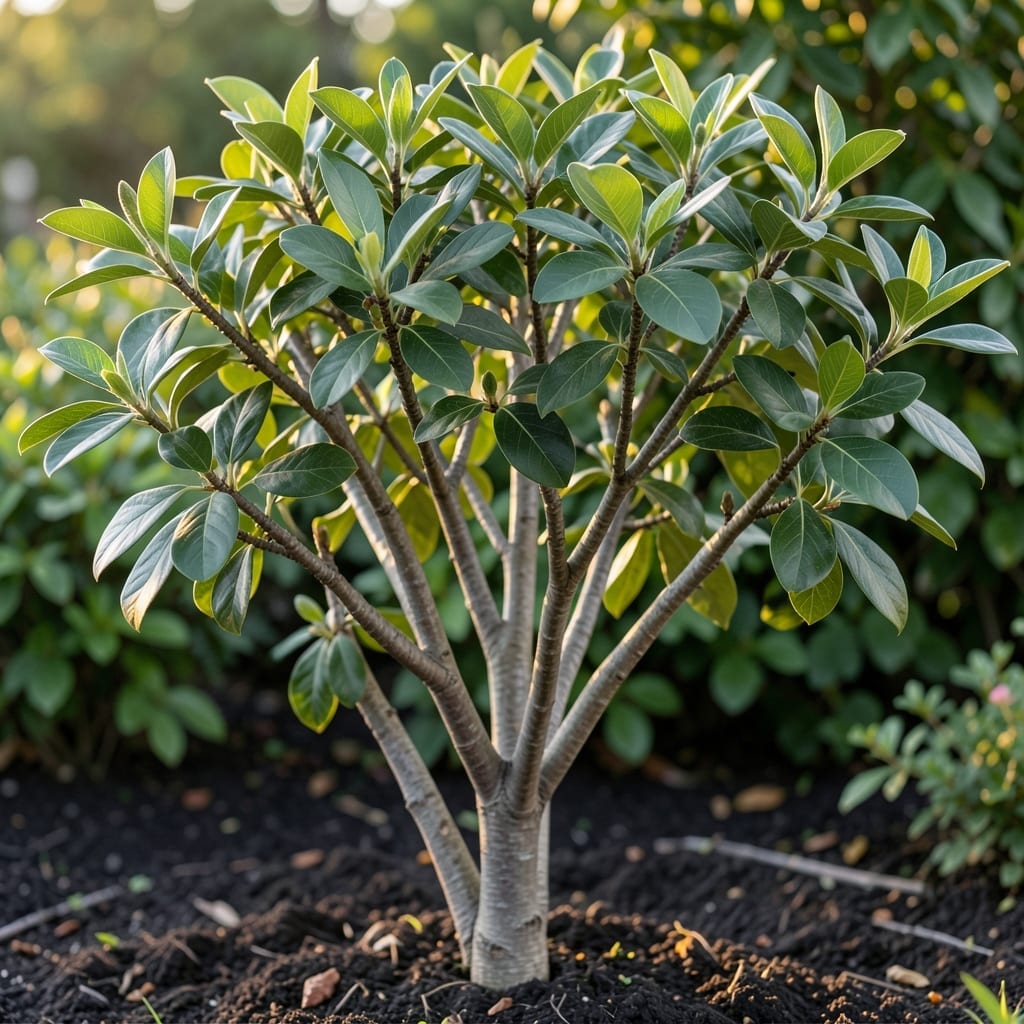
Nothing is more frustrating than a crepe myrtle that refuses to bloom. I’ve been there, staring at green leaves for 3 summers straight while neighbors’ plants explode with color.
Most cases trace back to one of three culprits: over-pruning, wrong fertilizer timing, or not enough sun. Fix these and you’ll see buds forming by early summer.
I turned my stubborn plant around by stopping late pruning and switching to a bloom-boosting fertilizer. The change happened in one season.
Your plant isn’t broken—it just needs the right conditions. Here’s exactly how to give it what it’s missing.
When your crepe myrtle fails to produce its signature vibrant blooms, several underlying issues could be to blame. Understanding these causes helps you take targeted action to restore its floral display. Below are the most common reasons your plant may struggle to bloom.
Late or excessive pruning is a leading cause of no flowers. Crepe myrtles bloom on new wood, meaning flower buds form on the current season’s growth. Pruning in late spring or summer removes these potential blooms. Stick to pruning in late winter or early spring, before new growth starts, and avoid “crape murder” (over-pruning to stubs), which delays flowering.
Too much nitrogen promotes leafy growth at the expense of blooms. If your soil is high in nitrogen (common in lawn fertilizers), the plant focuses on foliage rather than flowers. Use a balanced fertilizer (e.g., 10-10-10) or a phosphorus-rich formula (the middle number in NPK) to encourage blooming. A soil test can confirm deficiencies or excesses.
Crepe myrtles need full sun (6+ hours of direct sunlight daily) to produce abundant flowers. Shade from buildings, trees, or even dense canopies can drastically reduce blooming. If your plant is in a shady spot, consider transplanting it to a sunnier location or pruning nearby obstructions to increase light exposure.
Both overwatering and underwatering can stress the plant, diverting energy away from flower production. Crepe myrtles are drought-tolerant once established, so deep, infrequent watering (1–2 times per week) is ideal. Soggy soil leads to root rot, while parched roots can’t support blooming. Mulch around the base to retain moisture without waterlogging.
While crepe myrtles are hardy, aphids, powdery mildew, or sooty mold can weaken the plant, reducing its ability to bloom. Aphids suck sap from new growth (where flower buds form), while fungal diseases stress the plant. Treat infestations with neem oil or insecticidal soap, and improve air circulation to prevent fungal issues.
If your crepe myrtle isn’t blooming, don’t worry—there are practical fixes for every common cause. Below, we map each issue to a clear solution, along with tips to keep your tree thriving for seasons to come.
Fix: Stop over-pruning! Crepe myrtles bloom on new growth, so heavy cutting in late winter or spring removes potential flowers. Prune only to shape or remove dead wood, and do it in early spring before new growth starts. If you’ve already pruned too late, wait—new blooms may still appear on untrimmed branches.
Prevention: Learn the right way to prune: use clean, sharp tools, and never “top” the tree. Light shaping is all it needs! 💡
Fix: Adjust your watering routine. Too much or too little water can stress the plant. Aim for 1–2 inches of water per week (including rain), delivered deeply at the base. If the soil is soggy, improve drainage with compost. If it’s bone-dry, water slowly and deeply to encourage root growth.
Prevention: Mulch around the base (but not touching the trunk) to retain moisture and regulate soil temperature. ✨
Fix: Crepe myrtles need full sun (6+ hours daily) to bloom abundantly. If yours is in shade, consider transplanting it to a sunnier spot in early spring or fall. For potted myrtles, move the container to a brighter location.
Prevention: Before planting, scout your yard for the sunniest spots. South- or west-facing areas are ideal. 🌞
Fix: Test your soil—crepe myrtles prefer slightly acidic to neutral pH (6.0–7.0). If it’s off, amend with lime (to raise pH) or sulfur (to lower it). Apply a balanced fertilizer (like 10-10-10) in early spring, but avoid over-fertilizing, which can promote leafy growth over blooms.
Prevention: Feed lightly and only when needed. Organic compost in spring can provide gentle, long-lasting nutrients. 🎯
Fix: If a late frost nipped new growth, don’t panic. Crepe myrtles are resilient and often rebound with a second flush of blooms later in summer. Trim back any blackened stems to healthy wood to encourage regrowth.
Prevention: Cover young trees with frost cloth if a late cold snap is forecasted. Mature trees usually recover on their own. ❄️
Crepe myrtles require at least 6 hours of direct sunlight daily for optimal blooming. Less than this often results in sparse or no flowers.
Prune in late winter or early spring, before new growth starts. Avoid late pruning, as it removes potential flower buds.
Use a balanced fertilizer like 10-10-10 or one high in phosphorus to encourage blooming. Avoid nitrogen-heavy formulas.
Yes, overwatering stresses the plant and reduces blooming. Aim for 1–2 inches of water weekly, including rain.