
Beautiful Plants For Your Interior
Beautiful Plants For Your Interior
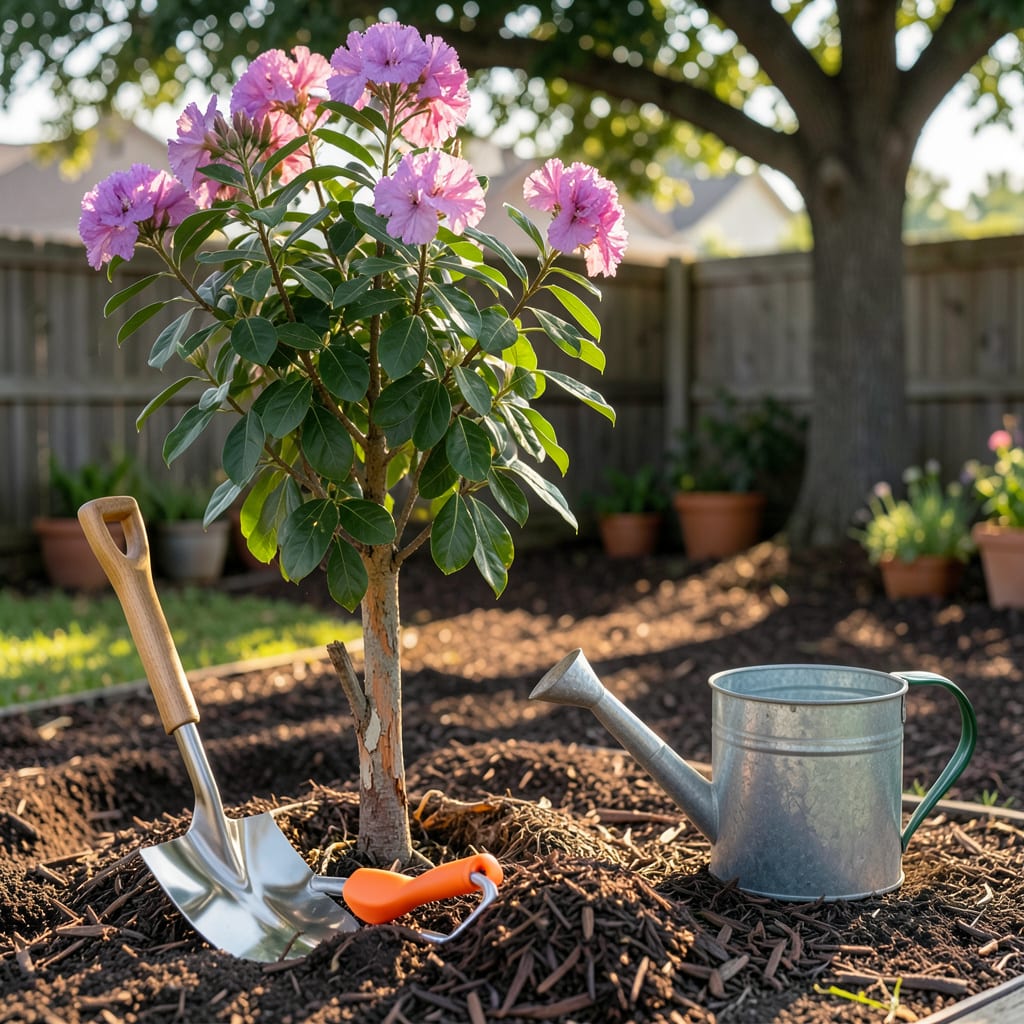
Texas gardeners know the struggle—plant your crepe myrtles at the wrong time, and you’ll battle weak blooms or winter damage. But nail that perfect planting window, and you’ll get explosive color that thrives in our brutal summers.
I’ve tested the timing across Texas’ wild climate zones, from the Panhandle to the Gulf Coast. Here’s exactly when to plant for faster growth, fewer headaches, and a tree that outlasts the heat. Let’s dig in—literally.
Texas gardeners know our crepe myrtles need perfect timing to thrive. Plant too early, and late frosts can damage young roots. Wait too long, and summer heat stresses new growth. The ideal window varies dramatically across our state’s diverse climates.
I’ve found that North Texas (Dallas, Fort Worth) differs completely from the Gulf Coast (Houston, Corpus Christi). Even West Texas (El Paso, Lubbock) has its own rules. Let’s break down the region-specific planting calendar that ensures vibrant blooms.
| Region | USDA Zones | Ideal Months | Last Frost Date |
|---|---|---|---|
| North Texas | 7b-8a | March 15–April 30 | March 10 |
| Central Texas | 8a-8b | February 15–March 31 | February 15 |
| Gulf Coast | 9a-9b | January 15–February 28 | January 20 |
| West Texas | 7a-8a | April 1–May 15 | April 5 |
*Plant bare-root in early window; container-grown can go later
In North Texas, I always wait until soil temps hit 60°F—usually mid-March. The Gulf Coast can plant shockingly early thanks to mild winters. But West Texas gardeners must watch for late frosts that can sneak in until mid-April.
For container-grown crepe myrtles, you’ve got more flexibility. I’ve successfully planted these as late as early June in Central Texas—just be prepared for daily watering during establishment. The key is avoiding temperature extremes on either end.
Pro tip: Check your local frost dates using the USDA Hardiness Zone map. Even within regions, microclimates can shift your planting window by 2-3 weeks. Urban areas often run warmer than rural zones.
Remember that fall planting is possible in warmer zones (8-9), but I recommend spring planting for most Texas gardeners. Fall-planted trees need extra mulch and may require winter protection in Zone 7 areas. The root establishment period is critical before dormancy.
If you’re in East Texas with our famous clay soil, aim for the earlier end of your region’s window. The soil warms slower, and you’ll want maximum root growth before summer heat hits. In sandy West Texas soils, later planting works better as the ground heats up faster.
No matter your region, always water deeply after planting and apply 3-4 inches of mulch to retain moisture. I use native Texas hardwood mulch—it breaks down beautifully while suppressing weeds. Your first summer will determine long-term success, so don’t skimp on establishment care!
Watch for new growth within 4-6 weeks—this confirms your timing was spot on. If leaves appear stressed (browning edges, wilting), increase water temporarily. Most Texas-planted crepe myrtles establish fully within one growing season when timed correctly.
For the most drought-resistant varieties like ‘Tonto’ or ‘Natchez’, you can push the planting window slightly later. But delicate cultivars like ‘Acoma’ need the full establishment period before summer. Always match your variety choice to your specific Texas microclimate for best results.
Even with perfect timing, I’ve seen too many Texas gardeners kill their crepe myrtles by making avoidable mistakes. These trees are tough once established, but young plants need special care. The three most common errors I encounter could mean the difference between a thriving tree and a dead stick.
First up is planting too deep—this suffocates roots and invites disease. I always say: “When in doubt, plant it proud.” The root flare (where roots meet trunk) should sit 1-2 inches above soil level. This prevents bark rot and encourages proper root development.
*Bonus Tip: Always water deeply after planting to eliminate air pockets around roots.
The second deadly mistake is ignoring soil drainage. Texas soils range from gumbo clay to sandy loam, and both extremes need preparation. In East Texas clay, I plant on 6-inch mounds to improve drainage. For sandy West Texas soil, I mix in organic compost to retain moisture.
Never skip the soil test—crepe myrtles prefer slightly acidic soil (pH 6.0-6.5). Our native soils often run alkaline. A simple $10 test from your county extension office can save you years of frustration. I’ve rescued many struggling trees just by adjusting soil pH with sulfur.
The third critical error is choosing the wrong variety for Texas heat. Not all crepe myrtles handle our 100°F+ summers equally. I recommend ‘Natchez’ (white blooms) or ‘Tonto’ (pink) for their exceptional drought tolerance. Avoid ‘Acoma’ in hot areas—its delicate white flowers often scorch.
Another common issue I see is skipping mulch. Texas summers are brutal on new plantings. I apply 3-4 inches of organic mulch in a 3-foot diameter ring, keeping it 2 inches away from the trunk. This prevents moisture loss and protects roots from temperature swings. Never use volcanic rock—it heats up and stresses roots.
Finally, many gardeners over-prune new crepe myrtles. Resist the urge to shape your tree in its first year! Focus on removing only dead or crossing branches. Heavy pruning delays establishment and reduces bloom potential. I wait until the second winter to begin structural pruning.
Not all crepe myrtles handle Texas heat equally. After testing dozens of varieties across our state’s diverse climates, I’ve identified the top heat-tolerant cultivars that consistently perform. These varieties don’t just survive Texas summers—they thrive and bloom profusely despite our brutal conditions.
The key is selecting cultivars bred for drought resistance and long bloom periods. I prioritize varieties with thick leaves that resist scorching and deep root systems that access moisture. Let’s compare the best options for Texas gardens, from compact patio trees to towering shade providers.
| Variety | Mature Size | Bloom Color | Bloom Period | Heat Tolerance |
|---|---|---|---|---|
| Natchez | 20-30′ tall | Pure white | June-September | ⭐⭐⭐⭐⭐ |
| Tonto | 8-12′ tall | Deep pink | May-October | ⭐⭐⭐⭐⭐ |
| Muskogee | 15-20′ tall | Lavender | June-August | ⭐⭐⭐⭐ |
| Dynamite | 10-15′ tall | Bright red | May-September | ⭐⭐⭐⭐⭐ |
| Catawba | 10-15′ tall | Violet-purple | June-August | ⭐⭐⭐⭐ |
*All varieties listed are mildew-resistant and drought-tolerant once established
For small spaces, I recommend ‘Tonto’—it stays compact but delivers 5 months of blooms. This variety’s deep pink flowers contrast beautifully with Texas limestone. In larger yards, ‘Natchez’ creates stunning focal points with its snow-white blooms and exfoliating bark.
The ‘Dynamite’ cultivar lives up to its name with fire-engine red flowers that resist fading. I’ve seen these thrive in full Texas sun where other varieties wilt. For unique color, ‘Muskogee’ offers soft lavender blooms that attract pollinators while tolerating our alkaline soils.
All these varieties share excellent disease resistance, particularly against powdery mildew—a common issue in humid East Texas. Their thick foliage also provides better shade, reducing water needs for underplantings. I’ve found they establish 20-30% faster than less-adapted varieties when planted in the optimal window.
Remember that bloom times can shift slightly based on your specific Texas region. Gulf Coast gardeners often see earlier blooms, while Panhandle plants may flower 2-3 weeks later. Proper pruning (only in late winter!) will maximize your bloom potential regardless of variety.
For the most drought-resistant landscape, pair these crepe myrtles with native Texas plants like salvias and yuccas. This combination creates a low-water oasis that explodes with color all summer. I’ve designed many water-wise gardens using this winning formula!
Fall planting works in warmer zones (8-9), but spring is ideal for most areas. In Zone 7 regions like North Texas, fall-planted trees need extra mulch and possible winter protection. The root system needs time to establish before dormancy.
Water deeply 2-3 times per week for the first month, then taper to weekly. During summer heat, daily watering may be needed for the first two weeks. Always check soil moisture 2-3 inches deep before watering.
Amend clay soil with 3-4 inches of compost and plant on a slight mound. For severe clay, mix in expanded shale or pine bark fines. This improves drainage while retaining enough moisture for establishment.
Container plants can go in up to early June in most regions, but expect more maintenance. You’ll need daily watering and shade cloth for afternoon sun. Morning planting reduces transplant shock during hot months.
Look for new growth (4-6 weeks after planting) and firm roots when gently tugged. Established trees show consistent leaf color and can handle 5-7 days between waterings by their second summer.
